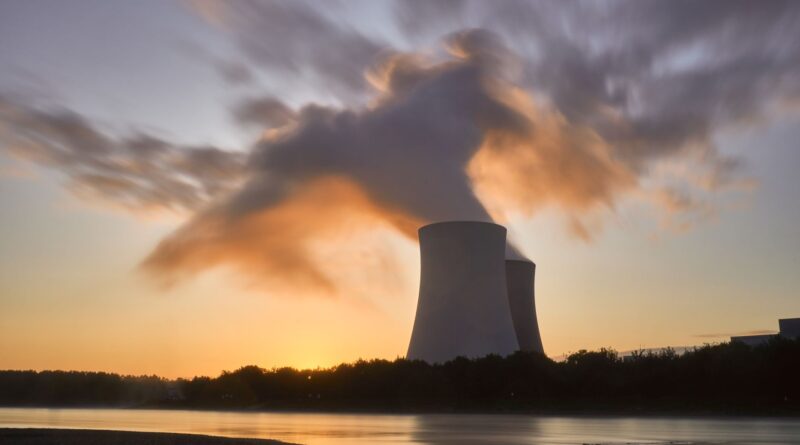
5 Africa Nuclear Opportunities: Why South Korea Leads the Charge
\n\n
SEOUL — As the world grapples with climate change and a growing demand for reliable power, Africa Nuclear energy emerges as a critical solution for the continent’s future. South Korea, a global leader in advanced nuclear technology, is strategically positioning itself to play a pivotal role in this transformative journey.
The continent of Africa faces immense energy challenges, from widespread electricity deficits to a pressing need for industrialization. Developing nations across Africa are seeking stable, clean, and affordable power sources to fuel their economic ambitions and improve quality of life for their rapidly growing populations.
Against this backdrop, nuclear power stands out as a high-capacity, low-carbon option. It offers a consistent baseload supply that renewables alone cannot always guarantee, making it an attractive prospect for long-term energy security.
The Scramble for Clean Energy: Why Africa Nuclear is a Game-Changer
Many African nations are at a critical juncture, balancing the urgent need for economic growth with global climate commitments. Traditional fossil fuel dependency is no longer sustainable, pushing leaders to explore cleaner alternatives.
This evolving energy landscape creates significant opportunities for countries with proven nuclear capabilities. Nuclear power plants, once built, provide decades of emission-free electricity, directly addressing climate change concerns while supporting industrial development.
The International Energy Agency projects a massive increase in Africa’s energy demand over the coming decades. Meeting this demand sustainably requires a diversified energy mix, with nuclear energy offering a crucial, stable component.
Reliable electricity is the backbone of modern economies. Without it, industries cannot thrive, educational institutions struggle, and healthcare systems are compromised. Africa’s pursuit of nuclear power is fundamentally about securing its future prosperity.
Key Drivers for Africa Nuclear Adoption
- Population Growth: Africa’s population is projected to double by 2050, necessitating vast increases in energy production to support basic services and economic activity.
- Reduced Reliance on Fossil Fuels: Many African countries seek to lessen their dependence on volatile global fossil fuel markets, achieving greater energy independence through diversification.
- Industrialization and Job Creation: Large-scale infrastructure projects like nuclear power plants can spur local economies, creating high-skilled jobs and fostering technological transfer.
- Climate Change Mitigation: Nuclear power offers a powerful tool to decarbonize energy grids, helping African nations meet their Nationally Determined Contributions (NDCs) under the Paris Agreement.
The benefits extend beyond electricity generation. Nuclear technology can also support advancements in medicine, agriculture, and water desalination, offering broader societal improvements.
South Korea’s Strategic Play in the Africa Nuclear Arena
South Korea boasts one of the world’s most advanced and reliable nuclear energy programs. Its signature APR-1400 reactor technology has a proven track record, notably with the successful construction and operation of the Barakah Nuclear Power Plant in the United Arab Emirates.
This success story has established Korea as a formidable competitor in the global nuclear market. African nations looking for reliable partners often consider Korea’s comprehensive ‘K-Nuclear’ package, which includes not just technology but also financing, construction, operational training, and long-term maintenance.
Korean nuclear companies are known for their efficiency and cost-effectiveness. They often complete projects on time and within budget, a critical factor for large-scale infrastructure investments in developing economies.
Furthermore, Seoul emphasizes building enduring partnerships rather than just transactional sales. This approach resonates well with African countries seeking sustainable development and capacity building. For more information on Korea’s energy policies, you can visit korea.net.
Countries like Egypt, South Africa, and Ghana have expressed varying degrees of interest in expanding or developing their nuclear energy programs. Korea’s expertise and experience are highly relevant to these national ambitions for Africa Nuclear expansion.
Navigating Challenges and Competition in Africa Nuclear
While the opportunities are vast, the path to widespread Africa Nuclear adoption is not without hurdles. The global nuclear market is highly competitive, with established players like Russia, China, France, and the United States also vying for influence.
Financing remains a significant challenge, as nuclear power plants require multi-billion dollar investments. Creative financing models and international cooperation are essential to overcome these economic barriers.
Safety and regulatory oversight are paramount. African nations must develop robust regulatory frameworks and ensure the highest safety standards, often with international support from organizations like the IAEA. Learn more about nuclear power on Wikipedia.
Public perception and environmental concerns also need careful management. Transparency and community engagement are crucial for building trust and gaining social license for new nuclear projects.
South Korea’s approach includes strong emphasis on training local workforces. This ensures that host countries can eventually manage and operate their nuclear facilities independently, fostering true energy sovereignty.
The geopolitical dimension adds another layer of complexity. Partnering with a country like South Korea, which has a strong commitment to non-proliferation and international norms, offers stability and reliability.
A Vision for Sustainable Growth and Africa Nuclear Futures
The potential for Africa Nuclear energy to transform the continent’s development trajectory is immense. It offers a clear pathway to address energy poverty, accelerate industrialization, and combat climate change simultaneously.
South Korea’s advanced technology, comprehensive project management, and partnership-focused approach position it as an ideal partner. This collaboration promises mutual benefits, boosting Korea’s export economy while empowering African nations.
As African governments continue to prioritize sustainable development, the role of nuclear energy is set to expand significantly. South Korea’s proactive engagement in this critical sector is not just an economic venture but a strategic investment in global energy security and climate action.
The future of Africa Nuclear energy is unfolding, and South Korea is ready to help write its next chapter. This commitment underscores a shared vision for a prosperous and sustainable future for all.
Sophia Laurent
Guest Columnist
Sophia is a guest columnist analyzing political and economic trends in East Asia.
To report grammatical errors, typos, or request factual corrections, please contact us at CHY011996@GMAIL.COM.
Original source: [우분투칼럼] 아프리카 원자력 시장의 기회…한국이 주목할 이유 – 연합뉴스
