Beyond the Panic: What is Really Driving Foreign Sell-Offs in South Korea’s Stock Market?
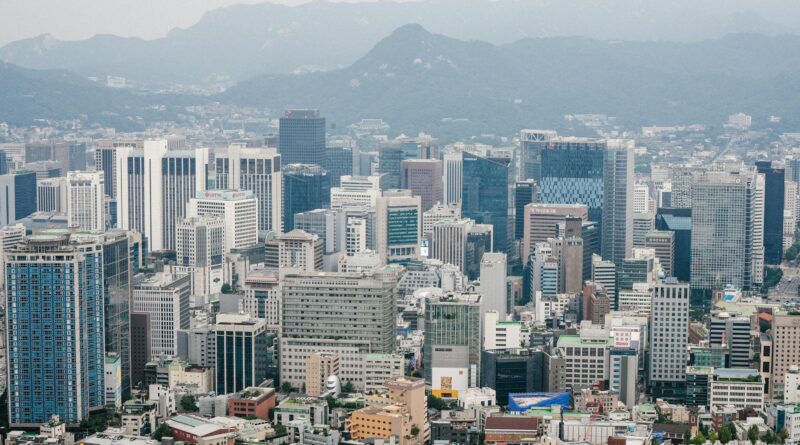
When foreign capital retreats from Seoul’s financial district, local headlines often adopt an apocalyptic tone. Recent weeks have seen a noticeable wave of foreign net selling in the South Korean stock market, triggering anxiety over a potential capital flight. However, market analysts and seasoned economists suggest that the reality behind these movements is far more nuanced than a simple vote of no confidence in Asia’s fourth-largest economy.
The Rebalancing Act: Global Macro Drivers vs. Local Reality
Much of the recent selling pressure on the benchmark KOSPI index is not a localized crisis, but rather a reflection of broader global macroeconomic shifts. With the U.S. Federal Reserve maintaining a cautious stance on interest rates and the greenback exhibiting persistent strength, global asset managers are naturally reallocating capital. Emerging markets, which historically carry higher risk premiums, often bear the brunt of such global portfolio rebalancing.
Furthermore, the heavy concentration of South Korea’s stock market in technology and semiconductor giants—namely Samsung Electronics and SK Hynix—means that any shift in the global tech cycle disproportionately impacts the entire index. Foreign investors are not necessarily fleeing South Korea; rather, they are locking in profits from the artificial intelligence (AI) boom and adjusting their exposure to global hardware manufacturers.
Debunking the ‘Korea Discount’ and Capital Flight Myth
Critics frequently point to the persistent ‘Korea Discount’—the historical undervaluation of South Korean firms compared to global peers—as the primary culprit for foreign exits. While corporate governance issues and low dividend payouts remain structural hurdles, the government’s recently launched ‘Value-up Program’ aims to directly address these pain points by incentivizing companies to boost shareholder value.
Why Tactical Profit-Taking is Not a Structural Exit
Rather than a permanent retreat, market experts characterize the current foreign activity as tactical profit-taking. Foreign funds operate on global mandates; when currency volatility rises, reducing exposure to won-denominated assets becomes a standard hedging strategy. Once the exchange rate stabilizes and corporate reform initiatives begin to yield tangible results, these same investors are highly likely to return, seeking undervalued blue-chip opportunities.
A Catalyst for Structural Reform
In conclusion, the fluctuations in foreign ownership should be viewed as a thermometer of global financial conditions rather than a final verdict on South Korea’s economic health. This period of outflow serves as a critical reminder for Seoul’s policymakers and corporate leaders to accelerate structural reforms, enhance shareholder rights, and make the domestic market fundamentally too attractive for foreign capital to ignore.
Original source: 그들은 왜 한국 주식을 팔까?…외국인 순매도에 대한 오해와 진실 – 한국경제
Marcus Vance
Senior Financial Analyst
Marcus specializes in corporate finance, macroeconomic policies, and financial market trends in Korea.
