
Exhibit Reveals Lingual Trends in Korean Film Titles

\n\n
A pioneering exhibition in Seoul is currently unraveling the intricate linguistic fabric of South Korean cinema, offering an unprecedented look at the words that most frequently grace Korean Film Titles. Organized by heyPOP, the “Title Exhibition” — or Jemokjeon — leverages a comprehensive analysis of film nomenclature to illuminate deeper cultural and thematic currents within the nation’s prolific movie industry.
This unique cultural initiative transcends simple lexical counting, providing a compelling narrative on how seemingly minor word choices reflect significant shifts in storytelling, societal values, and the very identity of Korean cinema. It acts as a linguistic mirror, reflecting the collective consciousness embedded in decades of cinematic output.
Key Takeaways
- The systematic analysis of recurring words in film titles offers a unique lens for understanding a nation’s evolving cultural psyche and prevalent societal concerns.
- This exhibition underscores how linguistic patterns, even within the succinct format of Korean Film Titles, can effectively communicate broader historical shifts and enduring thematic preoccupations in cinematic narratives.
- By exploring these consistent lexical choices, the “Title Exhibition” provides valuable insights for both dedicated film scholars and a global audience seeking to comprehend the artistic depth and underlying messages of Korean films.
At the heart of the “Title Exhibition” lies a sophisticated data-driven methodology. Curators employed advanced computational linguistics to parse thousands of film titles released over several decades, meticulously identifying and categorizing the most prevalent terms. This extensive undertaking moves beyond anecdotal observation, providing empirical evidence of linguistic patterns.
Early observations from this linguistic deep dive suggest the recurring appearance of words such as “love,” “family,” “secret,” “story,” “time,” and specific geographical identifiers like “Seoul.” These words are not merely random occurrences; they form a mosaic reflecting foundational elements of Korean cultural identity and storytelling traditions.
The frequent use of “love” in Korean Film Titles, for instance, speaks to its pervasive presence across genres, from poignant romances to complex family dramas and even thrillers where love can be a powerful motivator for revenge or sacrifice. It underscores a cultural emphasis on emotional depth and interpersonal connections.
Similarly, “family” often anchors narratives, highlighting the profound importance of familial bonds, filial piety, and the challenges faced by households in a rapidly modernizing society. Many acclaimed Korean films explore the dynamics of family, often using it as a microcosm for broader societal issues.
Words like “secret” or “mystery” point to a strong inclination toward intricate plots and suspenseful narratives, genres in which Korean cinema excels globally. This preference suggests an audience appreciation for layered storytelling and the gradual unveiling of hidden truths.
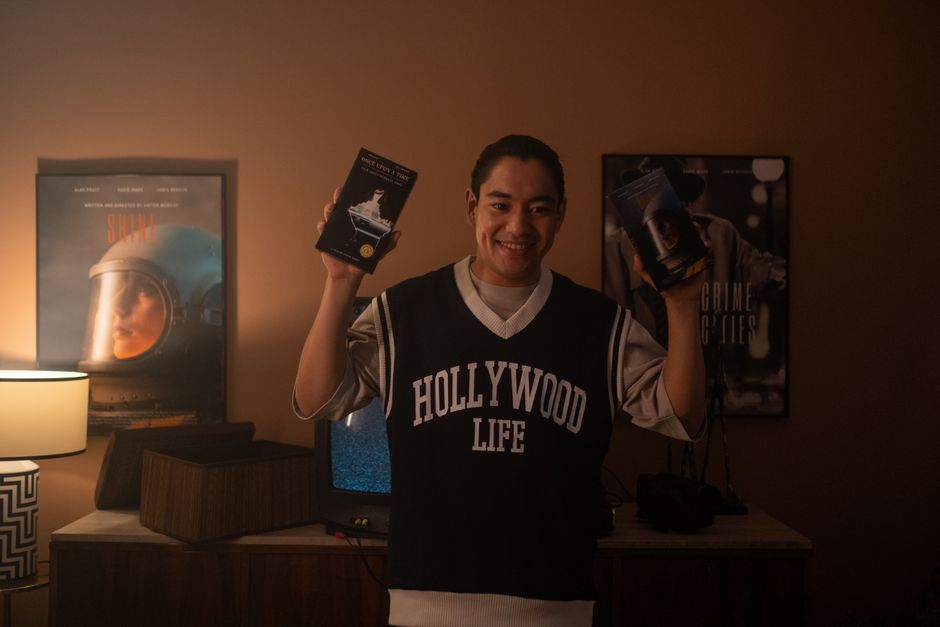
The inclusion of “time” and “story” further emphasizes a preoccupation with memory, history, and the art of narration itself. Korean filmmakers frequently explore historical events, personal pasts, and the very act of recounting experiences, adding layers of reflection to their work.
Geographical terms, particularly “Seoul,” ground many films in a distinct urban landscape, making the city a character in its own right. These titles evoke the specific atmosphere, challenges, and dreams associated with Korea’s bustling capital, resonating deeply with local audiences and intriguing international viewers.
The insights derived from the “Title Exhibition” offer a fascinating historical trajectory. Earlier Korean Film Titles from the mid-20th century often adopted more direct and descriptive approaches, reflecting a nascent industry finding its voice. As the industry matured, titles began to incorporate greater poeticism and thematic ambiguity.
The advent of the Korean New Wave and subsequently the Hallyu, or Korean Wave, brought about a strategic shift. Titles increasingly aimed for broader appeal, often balancing cultural specificity with universal themes that could resonate across international markets. This evolution reflects the industry’s growing global ambition and reach.
Understanding the context of Korean Film Titles also involves appreciating the delicate art of translation. A title that is profoundly evocative in Korean might lose its nuance in a direct English translation, leading to creative reinterpretation for international distribution. The exhibition implicitly highlights these linguistic challenges.
A film title is arguably the first piece of marketing, the initial invitation to an audience. It must encapsulate the film’s essence, intrigue potential viewers, and stand out in a crowded marketplace. The exhibition showcases the cultural specificities that guide these crucial artistic and commercial decisions in Korea.
This linguistic deep dive complements broader academic studies on the history of Korean cinema, offering a fresh perspective on how thematic preoccupations have evolved alongside societal changes. It provides empirical data to support existing theories about the national cinema’s characteristic narratives and genre preferences.
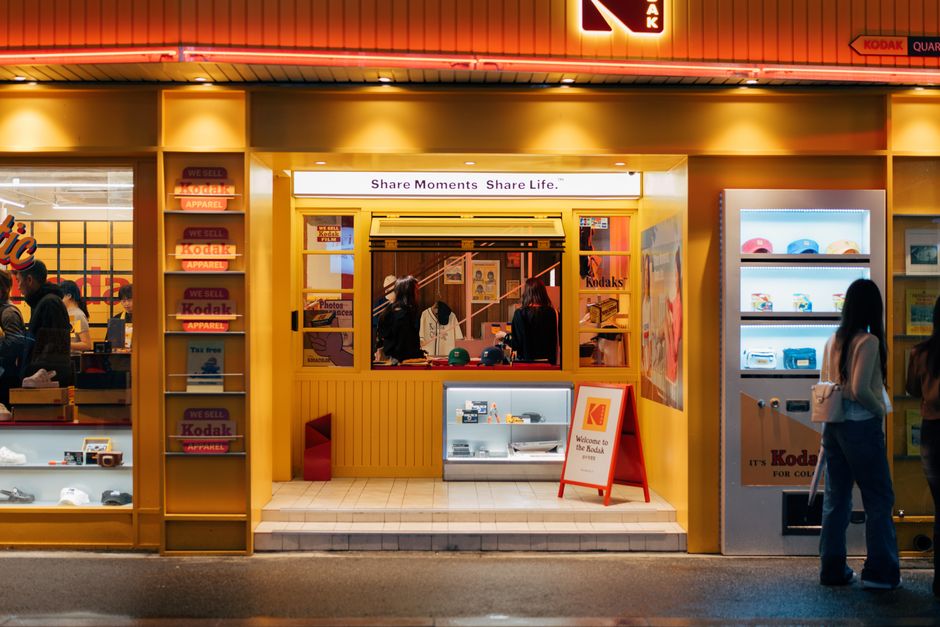
The exhibition encourages visitors to view films with a heightened awareness of their titles, recognizing them not just as labels but as condensed pieces of cultural expression. It prompts a deeper appreciation for the thought and strategy behind these linguistic choices.
Furthermore, the “Title Exhibition” is particularly timely given the global explosion of interest in Korean culture. From award-winning films like “Parasite” and “Minari” to popular K-dramas, the world is increasingly captivated by Korean storytelling. Analyzing its linguistic underpinnings offers invaluable context.
The study of Korean Film Titles also reveals a subtle interplay between tradition and modernity. While some titles reflect age-old cultural values, others embrace contemporary issues, linguistic trends, and even experimental forms, demonstrating the dynamic nature of Korean artistic expression.
This unique exhibit provides an accessible yet profound entry point for anyone interested in the confluence of language, culture, and cinema. It demonstrates the power of words to encapsulate complex narratives and to serve as signposts to a nation’s collective imagination.
The exhibition invites its audience to ponder how these recurring words shape expectations, influence interpretations, and ultimately contribute to the distinctive identity of Korean cinematic storytelling. It is a testament to the enduring influence of language in art.
Ultimately, the “Title Exhibition” solidifies the idea that even the most succinct elements of film, such as a title, are rich repositories of cultural meaning and historical insight. It’s a celebration of words, their power, and their undeniable role in shaping how we perceive and remember cinema.
To report grammatical errors, typos, or request factual corrections, please contact us at CHY011996@GMAIL.COM.
Original source: 한국영화 제목에 가장 많이 등장한 단어는? 〈제목전(展) 〉 – heyPOP
