
South Korea’s Regional Education Disparity Demands Tailored Solutions

\n\n
South Korea’s long-standing challenge of educational inequality is not monolithic, but a complex tapestry of varying regional characteristics that necessitate distinctly customized policy approaches. Experts are increasingly emphasizing that the nation’s efforts to bridge learning gaps must acknowledge and address the unique drivers and manifestations of Regional Education Disparity, from urban centers grappling with intense private tutoring competition to rural areas facing resource scarcity and demographic shifts. A blanket approach, researchers argue, risks exacerbating existing divides rather than fostering true equity.
Key Takeaways
- A uniform national policy fails to address the multifaceted nature of education disparities across South Korea’s diverse regions.
- Tailored interventions are crucial to ensure equitable access to quality education, impacting social mobility and future economic competitiveness.
- Understanding the specific regional contexts—be it urban over-reliance on private academies or rural resource deficits—is the first step toward effective and sustainable solutions.
The notion that educational disparities are uniformly distributed across South Korea has been consistently challenged by recent analyses. Studies indicate that the nature of the gap differs significantly based on location, socioeconomic status, and even the cultural values prevalent in a given area. For instance, urban educational divides often manifest as intense competition for elite universities, fueled by expensive private academies (hagwons) that create a formidable barrier for less affluent families.
Conversely, rural and remote regions contend with a different set of obstacles. These include a scarcity of qualified teachers, limited access to diverse extracurricular activities, and a dwindling student population due to ongoing urbanization and an aging demographic. This dual challenge underscores why a one-size-fits-all national curriculum or funding model often falls short, inadvertently widening disparities it aims to narrow.
South Korea’s education system has historically been a powerful engine for social mobility, yet it has also been criticized for its highly competitive, exam-oriented culture. This intense focus on university entrance examinations, particularly for prestigious institutions, creates a high-stakes environment where access to premium educational resources becomes paramount. The unequal distribution of these resources, whether they are specialized teachers, advanced learning materials, or private tutoring, directly contributes to the current educational stratification.

Policymakers now face the imperative of decentralizing their approach to education reform. This involves empowering local education offices and schools to develop strategies that are responsive to their community’s specific needs. Such an approach could include targeted funding for teacher recruitment in underserved areas, development of region-specific vocational programs, or culturally relevant curricula that resonate with local students.
Consider the stark contrast between Gangnam, Seoul, known for its high concentration of private academies and intense competition, and a remote island community in Jeollanam-do. In Gangnam, the challenge might be mitigating the effects of excessive private education and ensuring public schools remain competitive. In Jeollanam-do, the focus could be on attracting and retaining talented educators, improving digital infrastructure, and providing diverse learning opportunities that might not otherwise be available.
The role of technology in bridging these gaps is also significant, yet it presents its own set of challenges. While online learning platforms offer potential solutions for resource-limited regions, the digital divide—unequal access to reliable internet and devices—remains a persistent barrier. Ensuring equitable technological access and digital literacy training is thus an essential component of any comprehensive strategy.
Effective solutions will require robust data collection and analysis to precisely identify the specific nature of educational disadvantages in each region. This data-driven approach would inform the allocation of resources and the design of interventions, moving beyond broad strokes to surgical precision. For example, some regions might benefit most from enhanced early childhood education programs, while others require bolstered support for high school students preparing for technical careers.
Furthermore, fostering stronger partnerships between schools, local governments, businesses, and community organizations can unlock new resources and opportunities. Community engagement can help tailor educational programs to local industries, creating pathways for students to contribute to their regional economies. Such collaboration can provide internships, mentorships, and real-world learning experiences that enrich the standard curriculum.
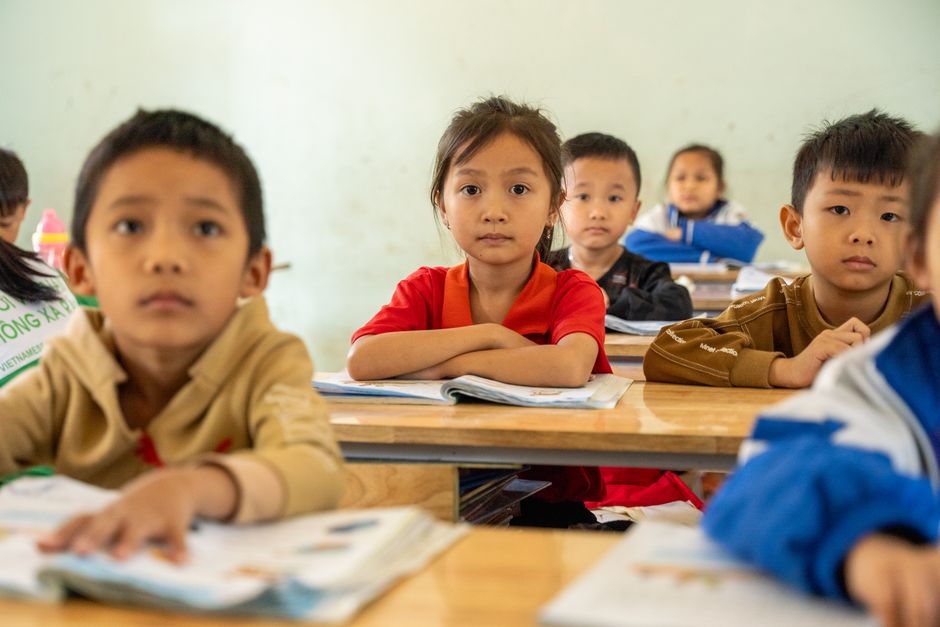
The long-term implications of unaddressed Regional Education Disparity are profound. It can perpetuate cycles of poverty, limit individual potential, and hinder national innovation and growth. A society where educational opportunities are unevenly distributed risks losing out on the talents of a significant portion of its youth, ultimately undermining its collective future.
South Korea’s commitment to educational excellence is globally recognized, and addressing these internal disparities is the next frontier for its education system. The move towards more localized, nuanced policy frameworks represents a mature evolution in the nation’s ongoing pursuit of equity and progress. For more background on South Korea’s national education system, readers can visit the official Korea.net education portal.
Ultimately, a successful strategy for tackling Regional Education Disparity will involve a sustained, multi-faceted effort that combines targeted investment, flexible policy implementation, and a deep understanding of each community’s unique circumstances. By doing so, South Korea can ensure that every student, regardless of their geographical location, has a genuine opportunity to achieve their full potential and contribute to the nation’s prosperity.
This evolving perspective signals a shift from a top-down, standardized approach to a more adaptive and regionally sensitive one. Such a paradigm promises not only to level the playing field but also to strengthen the diverse social fabric of South Korea, ensuring that its future workforce is not only highly skilled but also broadly representative and resilient. Deeper dives into educational statistics and regional characteristics can also be explored through academic databases and government reports, offering further context on the challenges and potential solutions for education in South Korea.
To report grammatical errors, typos, or request factual corrections, please contact us at CHY011996@GMAIL.COM.
Original source: “지역마다 성격 다른 교육격차, 처방도 달라야” – 한국교육신문
