
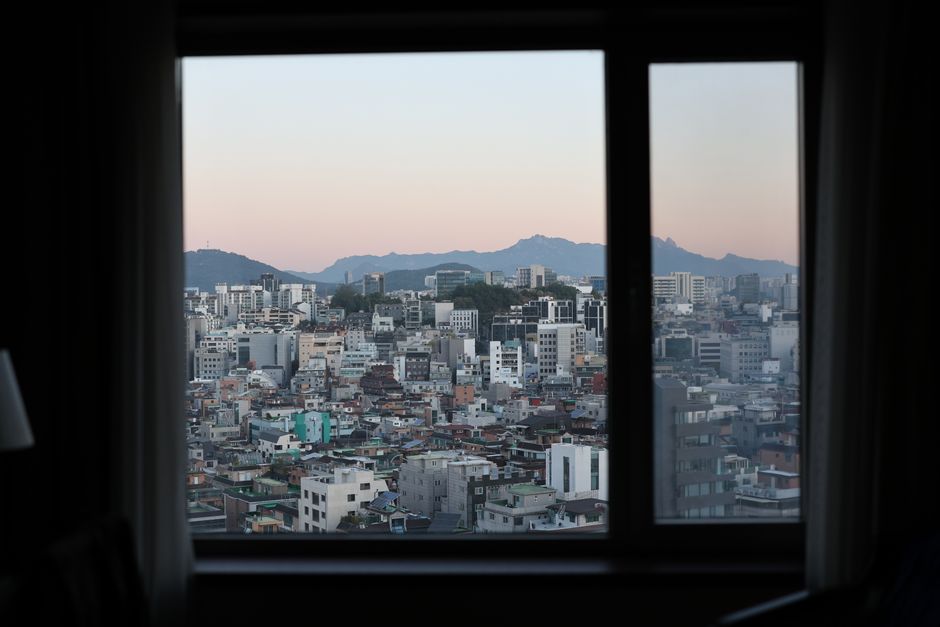
In South Korea, expat housing primarily involves Jeonse vs Wolse housing. Jeonse (전세) requires a large, refundable lump-sum deposit (전세금), typically ₩100,000,000-₩500,000,000, with no monthly rent. Wolse (월세) demands a smaller deposit (보증금), usually ₩5,000,000-₩30,000,000, plus monthly rent from ₩500,000-₩2,000,000. Wolse is common for short-term residents due to lower initial capital.
Key Takeaways
- Jeonse (전세) requires a substantial upfront deposit (전세금), often hundreds of millions of KRW, but eliminates monthly rent. This option carries a risk of deposit loss if the landlord defaults, necessitating careful due diligence and potentially deposit guarantee insurance.
- Wolse (월세) is more accessible for most expats, involving a smaller deposit (보증금) and regular monthly rent. It offers greater flexibility and a significantly lower initial financial burden, making it ideal for those new to Korea.
- Always engage a licensed real estate agent (부동산, budongsan) to navigate contracts, verify property details, and ensure legal compliance. Their fees are typically a small percentage of the deposit or monthly rent.
- Protect your deposit by promptly registering your lease (전입신고, jeonipsingo) and securing a confirmed date (확정일자, hwakjeongilja) at your local community center. This grants preferential rights in case of landlord financial issues.
Jeonse, a uniquely Korean housing system, allows tenants to live in a property for a fixed term, typically two years, without paying monthly rent. Instead, the tenant provides a substantial, refundable lump-sum deposit called jeonsegeum (전세금) to the landlord.
This deposit can range anywhere from ₩100,000,000 to over ₩1,000,000,000, depending on the property’s size, location, and market value. The landlord then invests this large sum, earning profit from the interest or investment returns, effectively making the tenant’s deposit their primary source of income from the property.
How Jeonse Works: Deposits and Returns
When the lease term expires, the landlord is legally obligated to return the entire jeonsegeum to the tenant. This system can be highly attractive for tenants who have significant upfront capital, as it means living rent-free for two years or more, offering considerable long-term savings compared to monthly rentals.
For expats, securing a Jeonse property can be challenging due to the large deposit requirement. While some Korean banks offer Jeonse loans (전세자금대출, jeonse jajageum daechul), eligibility for foreigners can be stringent. Applicants often need a stable income, a long-term visa (such as F-2, F-4, F-5, F-6), and sometimes a Korean guarantor. It’s crucial to check with individual banks for specific requirements, as these can vary.
The Housing and Urban Fund (주택도시기금, Jutaek Dosi Gigum) also offers various housing support programs, including Jeonse loans, though these are primarily aimed at Korean citizens and specific income brackets. Expats should inquire about any available government-backed schemes that might apply to them.
Advantages and Disadvantages of Jeonse: Navigating Risks
The primary advantage of Jeonse is the elimination of monthly rent, leading to substantial savings over time. The deposit is also fully refundable, acting as a forced savings mechanism which can be a significant financial benefit upon lease termination.
However, Jeonse comes with significant risks. The biggest concern is the potential loss of your deposit if the landlord defaults on their mortgage, faces bankruptcy, or engages in Jeonse fraud (전세 사기, jeonse sagi). This risk has unfortunately increased in recent years due to rising interest rates and property market fluctuations, leading to cases where landlords cannot return deposits.
Thorough due diligence is absolutely crucial. Before signing any Jeonse contract, you or your agent must obtain and meticulously review the property’s registration certificate (등기부등본, deungibu deungbon). This document reveals the property’s ownership history, any existing mortgages, and other liens. Ensure the landlord’s name matches the owner on the certificate and that the property is not heavily mortgaged, as a high loan-to-value ratio increases your risk.
Consider subscribing to Jeonse deposit guarantee insurance (전세보증금반환보증, jeonse bojeunggeum banhwan bojeung) from institutions like the Housing and Urban Guarantee Corporation (HUG). This insurance protects your deposit if the landlord fails to return it, offering a vital layer of security against potential losses. While an added cost, it’s a worthwhile investment for peace of mind.
Navigating Wolse (월세) Rentals
Wolse, the more conventional rental system globally, involves paying a smaller, refundable security deposit (보증금, bojeunggeum) along with regular monthly rent (월세, wolse). This model is familiar to most international residents and is generally more straightforward and accessible for expats to secure.
The bojeunggeum for a Wolse contract typically ranges from ₩5,000,000 to ₩30,000,000, though it can be higher for premium properties or in highly sought-after areas of Seoul. Monthly rent varies widely based on location, size, and amenities, commonly falling between ₩500,000 and ₩2,000,000 for a studio (원룸, wonroom) or small apartment in major cities like Seoul or Busan.
The Wolse Model: Smaller Deposit, Monthly Rent, and Banjeonse
Unlike Jeonse, the landlord does not typically use the Wolse deposit for investment. It serves primarily as collateral against unpaid rent, utility bills, or damages to the property. At the end of the lease, the bojeunggeum is returned, minus any deductions for legitimate damages or outstanding payments.
A hybrid option, known as Banjeonse (반전세), or “semi-Jeonse,” is also common. In this arrangement, the tenant pays a larger deposit than a typical Wolse (e.g., ₩50,000,000-₩100,000,000) in exchange for significantly reduced monthly rent. This can be an attractive middle ground for expats who have some capital but not enough for a full Jeonse, offering a lower monthly expenditure than pure Wolse.
Many Wolse properties also incur a monthly maintenance fee (관리비, gwanlibi), which covers building upkeep, cleaning services, and sometimes basic utilities like water or internet. This fee can range from ₩50,000 to ₩200,000 or more, depending on the building’s age and amenities, so always clarify what it includes before signing a contract to avoid surprises.
Ideal for Expats: Flexibility and Accessibility
Wolse is generally the preferred choice for new expats, students, or digital nomads in South Korea due to its significantly lower initial capital requirement. It offers greater flexibility for those unsure of their long-term stay or who prefer not to tie up a large sum of money in a deposit.
Lease terms are usually one or two years, with options for renewal. While you pay monthly rent, the financial barrier to entry is considerably lower than Jeonse, making it a more practical and less risky starting point for settling into Korean life. For short-term stays, guesthouses or serviced apartments might be more suitable, but for anything over six months, Wolse is usually the most cost-effective solution for independent living.
Essential Steps to Secure Your Korean Home
Finding an apartment in South Korea, whether Jeonse or Wolse, involves several key steps. Navigating the market requires understanding local practices, leveraging the right resources, and exercising careful due diligence.
Finding a Property: Agents, Online Platforms, and Viewings
The most common and highly recommended way to find a property is through a licensed real estate agent (공인중개사, gongin junggaesa or simply 부동산, budongsan). These agents have extensive local knowledge, access to a wide range of listings, and are crucial for navigating the contractual complexities. Their fees are regulated by law and typically a percentage of the deposit or monthly rent, usually paid upon signing a lease (e.g., 0.3% to 0.9% of the contract value).
Popular online platforms like Jikbang (직방) and Dabang (다방) allow you to browse listings with photos, floor plans, and estimated prices. These apps are excellent for initial research, giving you a sense of neighborhoods and price ranges. However, always follow up by contacting an agent through the app or directly to view properties in person and finalize agreements. Naver Map (네이버 지도) and KakaoMap (카카오맵) are indispensable tools for checking property locations, assessing nearby amenities (supermarkets, parks, cafes), and calculating commute times to work or school.
During property viewings, pay attention to more than just aesthetics. Check water pressure, heating system functionality, insulation (especially important for winter heating bills), and proximity to public transport. Don’t hesitate to ask your agent about the neighborhood’s noise levels, security, and local community facilities.
The Contract Process: Key Documents and Legal Advice
Once you find a suitable property, the agent will prepare a lease agreement (계약서, gyeyakseo). This legally binding document is typically in Korean. It is absolutely essential to have a trusted Korean-speaking friend, a professional translator, or legal counsel review it thoroughly before you sign anything. Do not rely solely on the agent for translation, as their primary duty is to facilitate the transaction.
Key items to verify include the exact deposit amount (보증금 or 전세금), monthly rent (if Wolse), lease term (e.g., 12 or 24 months), monthly maintenance fees (관리비) and what they cover, and clauses regarding early termination, repairs, and penalties. Always confirm the landlord’s identity matches the owner on the property’s registration certificate (등기부등본).
For Jeonse contracts, due to the substantial financial outlay and inherent risks, it is highly recommended to consult with a lawyer specializing in real estate. They can conduct independent due diligence on the property and the landlord’s financial standing, ensuring your interests are fully protected. The 1330 Korea Travel Helpline can provide general assistance, but for specific legal housing advice, a specialized lawyer is necessary.
Protecting Your Deposit: Essential Safeguards and Move-In
Regardless of whether you choose Jeonse or Wolse, protecting your deposit is paramount. After signing your lease and moving in, you must complete two critical steps at your local community center (주민센터, jumin center):
- Register your move-in (전입신고, jeonipsingo): This formally registers your address with the government and establishes your residency at the property. This is a fundamental step for various administrative tasks, including obtaining a resident registration card or changing your address on your ARC.
- Obtain a confirmed date (확정일자, hwakjeongilja): This official stamp on your lease agreement legally verifies the date of your contract. It provides a timestamp for your tenancy.
These two steps, when completed promptly, grant you preferential repayment rights (대항력, daehangnyeok) over other creditors (e.g., banks holding a mortgage) in the event the landlord faces financial difficulties or bankruptcy. Without them, your deposit is at significant risk of being lost. You can also apply for these online via the government’s e-government portal (정부24, Jeongbu24), which requires an authenticated digital certificate.
On move-in day, take detailed photos or videos of the property’s condition, especially any existing damage. This documentation can protect you from being charged for pre-existing issues when you move out. Ensure all utilities are connected and working, and clarify how to pay monthly utility bills (electricity, gas, water, internet) with your agent or landlord. Often, these can be set up for automatic payment from a Korean bank account.

| Feature | Jeonse (전세) | Wolse (월세) |
|---|---|---|
| Initial Deposit (보증금) | Very High (전세금): ₩100,000,000 – ₩1,000,000,000+ | Moderate (보증금): ₩5,000,000 – ₩50,000,000+ |
| Monthly Payment | None (only maintenance fees) | Required: ₩500,000 – ₩2,500,000+ (plus maintenance fees) |
| Financial Risk to Tenant | High (risk of deposit loss if landlord defaults, requires due diligence and insurance) | Low (deposit typically returned, less exposure) |
| Ideal For | Long-term residents with substantial savings or access to Jeonse loans. | New expats, students, short-term residents, those with less upfront capital. |
| Common Duration | 2 years (standard) | 1-2 years (standard) |
Frequently Asked Questions
Can foreigners get a Jeonse loan in South Korea?
Yes, foreigners can technically apply for Jeonse loans (전세자금대출), but eligibility is often stricter than for Korean nationals. Requirements typically include a stable income, a long-term visa (such as F-2, F-4, F-5, F-6), and sometimes a Korean guarantor. It’s best to consult with major Korean banks like KB Kookmin Bank or Shinhan Bank directly for current requirements.
What is “key money” in South Korea?
In the context of Korean housing, “key money” usually refers to the large lump-sum deposit required for a Jeonse (전세) contract, known as jeonsegeum (전세금). It is not a non-refundable fee but a fully refundable deposit returned at the end of the lease, provided all contract terms are met.
How can I protect my housing deposit in South Korea?
To protect your housing deposit, especially for Jeonse, it is crucial to register your lease (전입신고, jeonipsingo) and obtain a confirmed date (확정일자, hwakjeongilja) at your local community center (주민센터). These steps provide legal protection, giving you preferential rights to your deposit in case of landlord financial issues.
What are common hidden costs in Korean rentals?
Beyond the deposit and monthly rent, common hidden costs include monthly maintenance fees (관리비, gwanlibi), which cover building services and sometimes basic utilities. Tenants are also responsible for their own electricity, gas, and often water bills, which are separate from the gwanlibi. Some older buildings may also have higher heating costs in winter.
To report grammatical errors, typos, or request factual corrections, please contact us at [email protected].