

\n\n
SEOUL, South Korea – A recent Gallup Korea poll reveals a significant shift in South Korean political sentiment, with the Democratic Party (DP) experiencing a decline in approval to 41% while the conservative People Power Party (PPP) saw a rise to 25%. This fluctuation is largely attributed to public dissatisfaction with the current government’s real estate policy, a perennial hot-button issue in the nation, according to the Polinews report.
The survey, conducted amidst growing public frustration over housing affordability and policy effectiveness, indicates a hardening of voter attitudes as the nation grapples with economic uncertainties and soaring property values. The findings underscore the critical impact of economic policies, particularly those concerning housing, on the political landscape of South Korea.
Key Takeaways
- Political Realignments: The poll shows a noticeable shift in public support, with the ruling Democratic Party losing ground and the opposition People Power Party gaining, reflecting evolving voter priorities.
- Real Estate Policy Impact: Public discontent with the government’s real estate policies is identified as a primary driver behind these changes in party approval ratings, highlighting the sensitivity of housing issues in South Korea.
- Future Implications: These shifts could signal increased challenges for the incumbent government in upcoming elections and suggest a need for policy adjustments to address public grievances regarding housing.
Shifting Sands: Public Opinion and Real Estate Frustration
The latest Gallup Korea survey, detailed by Polinews, paints a picture of a populace increasingly critical of the government’s handling of the real estate market. The Democratic Party, which has held a comfortable lead for some time, saw its support dip from previous figures, now standing at 41%. Concurrently, the People Power Party, the main opposition, experienced an uptick in its approval rating, reaching 25%. This 16-percentage-point gap, while still substantial, is narrower than in past polls, indicating a potential erosion of the ruling party’s base.
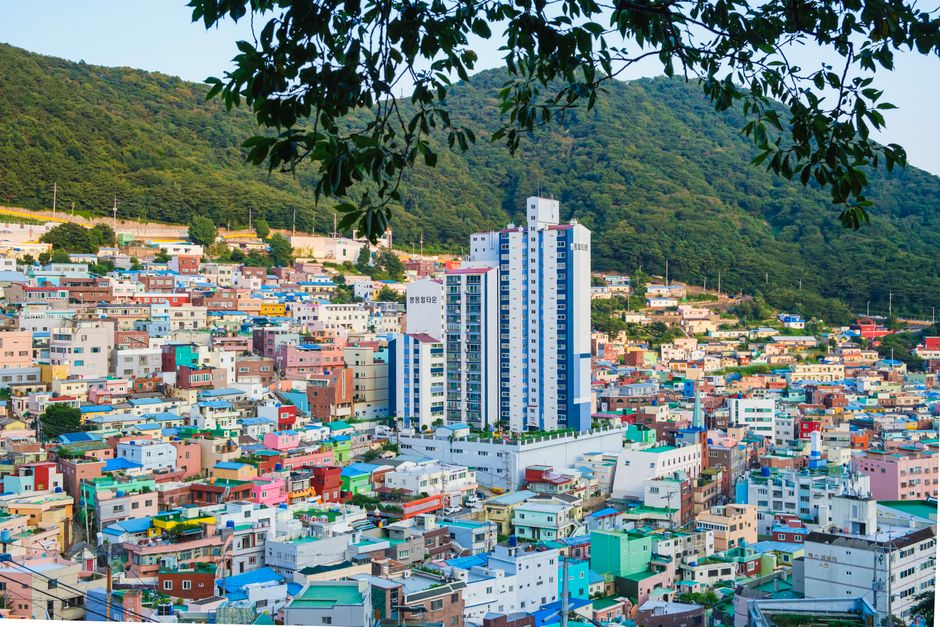
Housing affordability and stability have long been central to the economic well-being and political discourse in South Korea. Rapidly escalating property prices, particularly in Seoul and its metropolitan areas, have led to widespread public anger and a sense of disenfranchisement among younger generations and first-time homebuyers. The government’s various measures, including increased taxes on multiple homeowners and supply-side initiatives, have often been met with mixed results and, in some cases, exacerbated market volatility.
Experts suggest that the public’s perception of policy effectiveness plays a crucial role in these shifts. When policies fail to deliver tangible improvements or, worse, are seen as contributing to the problem, voter confidence in the ruling party naturally wanes. The current dip for the DP and rise for the PPP can be interpreted as a direct reflection of this sentiment, with voters seeking alternative leadership to address their economic anxieties.
The Economic Undercurrent: Beyond Housing
While real estate remains a dominant factor, the broader economic climate also contributes to the public’s political leanings. Inflationary pressures, job market uncertainties, and the lingering effects of global economic slowdowns are all concerns that indirectly influence how voters perceive the government’s overall competence. The interplay between these macroeconomic factors and specific policies like real estate regulations creates a complex web of public dissatisfaction that can be difficult for any administration to navigate.
The People Power Party’s modest gain, while not enough to overturn the DP’s lead, signals an opportunity for the opposition to capitalize on public discontent. By presenting itself as a credible alternative with more effective solutions to the housing crisis and broader economic challenges, the PPP could further narrow the gap in future polls. This dynamic sets the stage for intensified political competition as South Korea approaches its next electoral cycles.

Background & Significance: South Korea’s Housing Conundrum
South Korea’s real estate market is characterized by high demand in urban centers, particularly Seoul, limited land availability, and a deep-seated cultural preference for home ownership as a primary form of wealth accumulation. These factors, combined with speculative investment, have historically driven up housing prices, making property acquisition an increasingly difficult dream for many citizens. Successive governments have attempted to cool the market through various regulatory interventions, but often with limited success.
The current government’s approach has included a combination of demand-side controls, such as higher property taxes for multi-homeowners and stricter mortgage lending rules, alongside efforts to boost housing supply. However, critics argue that these policies have inadvertently led to price hikes in some segments, fueled a “panic buying” mentality, and failed to adequately address the root causes of the housing shortage. The political significance of this issue cannot be overstated, as housing affordability directly impacts the daily lives and future prospects of a vast majority of the population, making it a potent electoral issue. Yonhap News Agency frequently covers the ongoing debates and policy announcements related to the housing market, underscoring its national importance.

What to Watch
Going forward, observers will be closely monitoring how both the ruling Democratic Party and the opposition People Power Party respond to these poll numbers. For the DP, the challenge lies in effectively communicating its long-term vision for housing stability and demonstrating tangible results that alleviate public anxiety. This might involve a re-evaluation of existing policies or the introduction of new measures designed to increase housing supply more rapidly and affordably.
For the PPP, the focus will be on articulating clear, actionable policy alternatives that resonate with frustrated voters. Their ability to present a unified front and offer convincing solutions to the real estate crisis will be crucial in building further momentum. The political discourse surrounding real estate is expected to intensify, becoming a key battleground as both parties vie for public trust and prepare for future elections.
To report grammatical errors, typos, or request factual corrections, please contact us at [email protected].
Original source: [한국갤럽] 민주 41% 국힘 25%…정부 부동산 정책 불만에 민주 하락·국힘 상승 – 폴리뉴스 Polinews