
\n\n
SEOUL, South Korea – A recent column by Choi Seon, published in News & Net, delves into the intricate relationship between Korea’s tumultuous history, its present-day realities, and the evolving mission of the Korean Church. The article provides a profound reflection on how historical events have shaped the nation and, by extension, the role and responsibilities of Christian institutions within this dynamic context.
Choi’s analysis underscores the critical need for the Korean Church to understand its historical roots and societal impact, particularly as South Korea navigates complex domestic and international challenges. It calls for a renewed commitment to its spiritual and social mandate, drawing parallels between past struggles and contemporary issues facing the nation.

Key Takeaways
- The column emphasizes the profound influence of historical events on the identity and trajectory of both South Korea and its Christian community.
- It argues for the Korean Church’s essential role in addressing current societal issues, rooted in a deep understanding of national history.
- Choi’s piece serves as a call to action, urging the church to reclaim its prophetic voice and social responsibility in modern Korea.
Main Story & Context: Tracing the Korean Church’s Historical Footprint
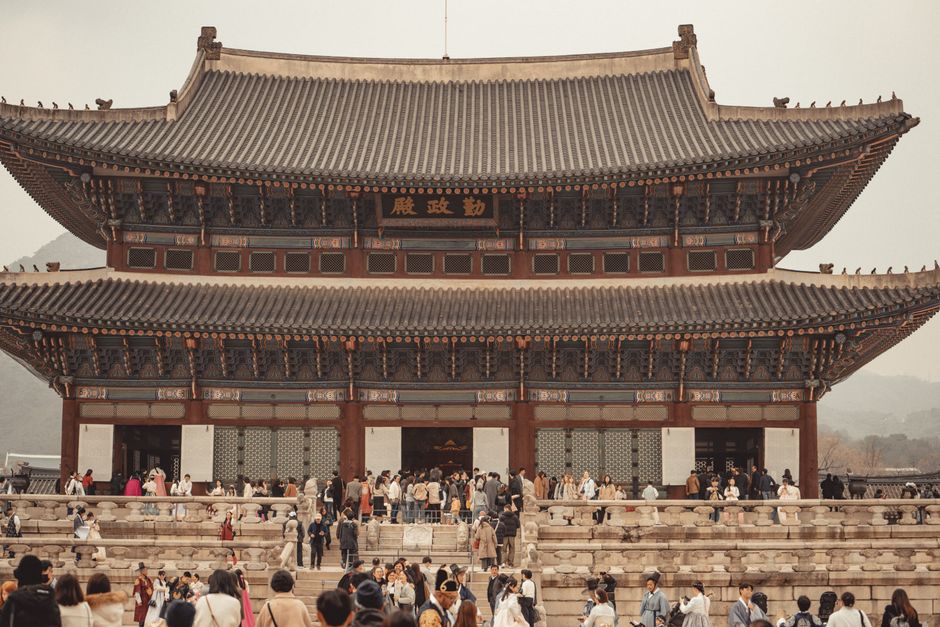
Choi Seon’s column, as featured in News & Net, presents a compelling narrative that intertwines the historical fabric of South Korea with the development and mission of the Korean Church. From its early days, the church has often found itself at the forefront of national identity and social change, particularly during periods of colonial rule, war, and rapid industrialization. This historical embeddedness has bequeathed a unique legacy, one that Choi argues must be re-examined and understood to effectively address today’s challenges.
The column meticulously traces how pivotal moments in Korean history—such as the Japanese colonial period, the Korean War, and the subsequent drive for democratization—not only tested the resilience of the nation but also profoundly shaped the theological and social orientation of the Korean Church. During these eras, the church frequently served as a sanctuary for nationalistic aspirations and a beacon of hope, often playing a crucial role in independence movements and human rights advocacy. This historical context is vital for understanding the church’s current standing and the expectations placed upon it by Korean society. For further reading on the historical context of Korea’s foreign relations, see Ruling, opposition parties express regret over Japanese officials’ Yasukuni Shrine visits.
From Resistance to Modernity: The Church’s Evolving Role
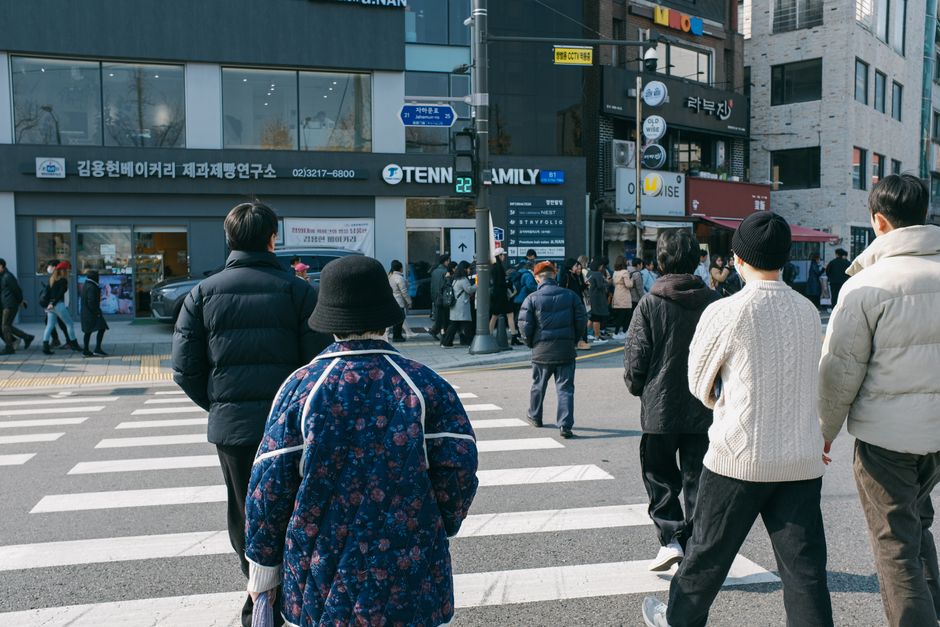
The narrative continues into South Korea’s rapid economic development and its transition into a globalized, technologically advanced society. Choi highlights that while the church once thrived amidst adversity, its role has become more complex in an era of prosperity and secularization. The column implicitly questions whether the Korean Church has maintained its historical vigor and moral clarity in the face of new societal pressures, including growing individualism, economic disparities, and a perceived decline in traditional values. This introspection is critical for the church to remain relevant and impactful.
The column suggests that the challenges of modernity require the Korean Church to adapt its mission without abandoning its core principles. This involves not only spiritual renewal but also a re-engagement with social justice issues and a proactive approach to fostering community and ethical leadership. The article implicitly calls for a departure from insular practices towards a more outward-looking and socially conscious engagement, mirroring the broader societal expectations of responsible institutions in a democratic society. This perspective aligns with ongoing discussions about the role of civil society in national development, as discussed in articles concerning national policy and leadership.

Background & Significance: The Korean Church as a Social Anchor
The significance of Choi Seon’s column lies in its timely call for the Korean Church to reconnect with its historical mandate as a social anchor and moral compass. Throughout much of South Korea’s modern history, the church has been more than just a religious institution; it has been a significant player in shaping national identity, social movements, and even political discourse. Its involvement in education, healthcare, and welfare has left an indelible mark on the nation’s development, providing essential services and advocating for the marginalized.
However, recent decades have seen the Korean Church grappling with internal challenges, including scandals, sectarianism, and a perceived disconnect from the younger generation. Choi’s article serves as a powerful reminder that the church’s historical strength lay in its ability to transcend internal divisions and unite for the greater good of the nation. It underscores the importance of a unified vision and a renewed commitment to ethical leadership and social service to regain public trust and relevance. The call for the Korean Church to embrace its mission is not merely an internal ecclesiastical matter but a crucial element for the moral and social health of South Korean society as a whole. For additional context on South Korea’s societal dynamics, refer to The Korea Herald.
What to Watch: Reclaiming Influence and Addressing Modern Challenges
Moving forward, observers will be keen to see how the Korean Church responds to the challenges and calls for introspection articulated in Choi Seon’s column. A critical area to watch is the church’s engagement with contemporary social issues, such as demographic shifts, environmental concerns, and the growing need for interfaith dialogue. Its ability to provide ethical leadership and foster community in an increasingly fragmented society will be paramount.
Furthermore, the internal reforms and renewed focus on social responsibility within various denominations will be key indicators of the church’s future trajectory. The column suggests that by embracing its historical mission and adapting to modern complexities, the Korean Church can once again solidify its position as a vital force for good in South Korea. Its path will undoubtedly influence the broader societal discourse and the nation’s ongoing journey. For global perspectives on religious institutions and their societal impact, Reuters Asia-Pacific provides relevant insights.
To report grammatical errors, typos, or request factual corrections, please contact us at [email protected].
Original source: [崔宣 칼럼] 대한민국의 역사와 오늘, 그리고 한국교회의 사명 – 뉴스앤넷