From City to Soil: Urban Koreans Cultivate Deeper Roots with Rural Life
A Green Resurgence in a Hyper-Connected Nation
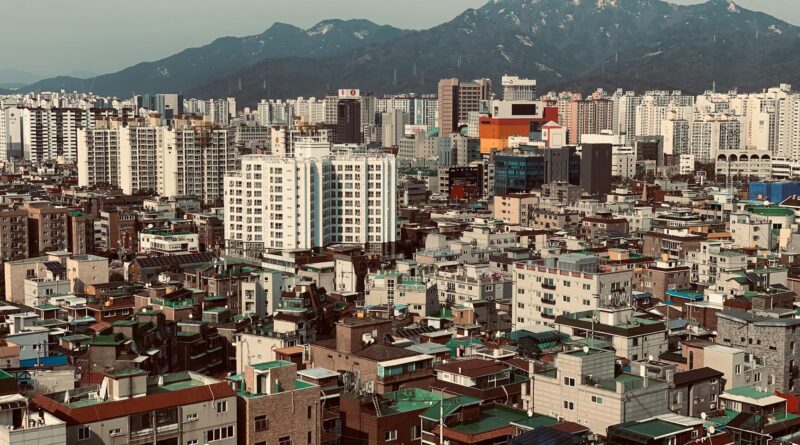
Seoul, a city globally recognized for its soaring skyscrapers, lightning-fast technology, and relentless pace, is quietly witnessing a profound cultural shift. As the vibrant greenery of May unfolds across the Korean peninsula, an increasing number of urbanites are trading their daily commute for countryside excursions, shedding their business attire for gardening gloves to reconnect with the nation’s agricultural heritage.
This isn’t merely a fleeting seasonal trend but a growing movement where city dwellers, from young professionals to families, are actively seeking engagement with rural life. Whether through weekend farming programs, volunteer initiatives at organic farms, or participating in farm-to-table community projects, the desire to experience life beyond the concrete jungle is palpable.
Bridging the Urban-Rural Divide
The motivations behind this burgeoning reconnection are multifaceted. For many, it’s a therapeutic escape from the pressures of modern urban living, a chance to de-stress and ground themselves in the tangible rhythms of nature. The satisfaction of cultivating one’s own food, understanding its origins, and engaging in physical labor provides a stark contrast to the often-abstract world of digital work.
Furthermore, this movement reflects a growing consciousness about sustainable living and food security. As awareness about environmental issues and the importance of local economies increases, urban Koreans are finding a renewed appreciation for the often-overlooked farming communities that sustain the nation. It’s a way to support aging rural populations and preserve traditional agricultural practices that are increasingly under threat.
Reimagining ‘Smart Society’
The original Korean article hints at this as a facet of ‘Smart! Korean Society,’ and indeed, this trend offers a nuanced interpretation of what a ‘smart’ society truly entails. Beyond technological prowess and economic efficiency, it suggests a society that values well-being, community resilience, and ecological balance. It’s about fostering symbiotic relationships between urban and rural areas, ensuring that progress doesn’t come at the cost of human connection or environmental health.
These interactions are creating new forms of community, allowing city residents to forge bonds with farmers and learn invaluable skills. It’s also an educational experience for children, who gain firsthand insight into where their food comes from, fostering a deeper respect for nature and labor.
More Than Just a Seasonal Affair
What begins as a ‘May’ activity, often coinciding with planting seasons or community festivals, frequently evolves into a year-round commitment for many. This enduring engagement signifies a deeper societal longing for authenticity, connection, and a balanced lifestyle that integrates modern advancement with traditional values. For a nation that has rapidly industrialized, this green resurgence represents a powerful collective re-evaluation, pointing towards a future where the heart of Korea beats in harmony with both its vibrant cities and its essential, life-giving soil.
Chloe Bennet
Social Issues & Education Writer
Chloe writes about demographic shifts, education reforms, and changing social structures in South Korea.
