7 South Korea Real Estate Shifts Post-Election
\n\n
SEOUL — The recent local elections across South Korea have undeniably shifted the political landscape. Consequently, stakeholders are now intensely scrutinizing the potential ripple effects on the nation’s highly dynamic South Korea Real Estate market. This period of transition introduces a complex web of variables that will dictate housing trends and investment opportunities for the foreseeable future.
As new local administrations take office, their policy priorities regarding urban development, housing supply, and regulatory frameworks come under sharp focus. Understanding these changes is crucial for anyone involved in the property sector, from individual homeowners to international investors.
The Post-Election Landscape for South Korea Real Estate
The outcomes of local elections often bring about localized policy adjustments. Newly elected mayors and provincial governors frequently campaign on platforms promising specific changes to their regions’ property markets. These promises can range from easing construction regulations to initiating large-scale development projects.
However, the influence of local policy must always be viewed within the broader national economic context. Global inflation, rising interest rates, and the central government’s macroeconomic policies cast a significant shadow over regional initiatives.
Policy Implications and Local Agendas
New local leaders may seek to invigorate stagnant markets or stabilize overheated ones. Their approaches often involve tweaking zoning laws, fast-tracking building permits, or promoting specific housing types. These actions can directly impact the supply side of the South Korea Real Estate equation.
- Increased Supply: Some newly elected officials might prioritize increasing housing supply to stabilize prices. This could involve designating new residential zones or redeveloping existing urban areas.
- Deregulation: There may be calls for less stringent regulations on property transactions or development. Such moves aim to stimulate economic activity and attract investment.
- Infrastructure Projects: Local governments often push for new transportation links or public amenities. These projects can significantly boost property values in their vicinity, creating new hotspots in the South Korea Real Estate market.
Yet, the scope of local autonomy is limited by national laws and central government directives. Any drastic policy shift at the local level would likely require alignment with or approval from the central administration, particularly on issues concerning taxation and financial regulation.
Navigating Economic Headwinds
Beyond local politics, macroeconomic factors exert immense pressure on the South Korea Real Estate sector. The global economic slowdown and persistent inflationary pressures are major concerns. These conditions directly influence consumer purchasing power and investment sentiment.
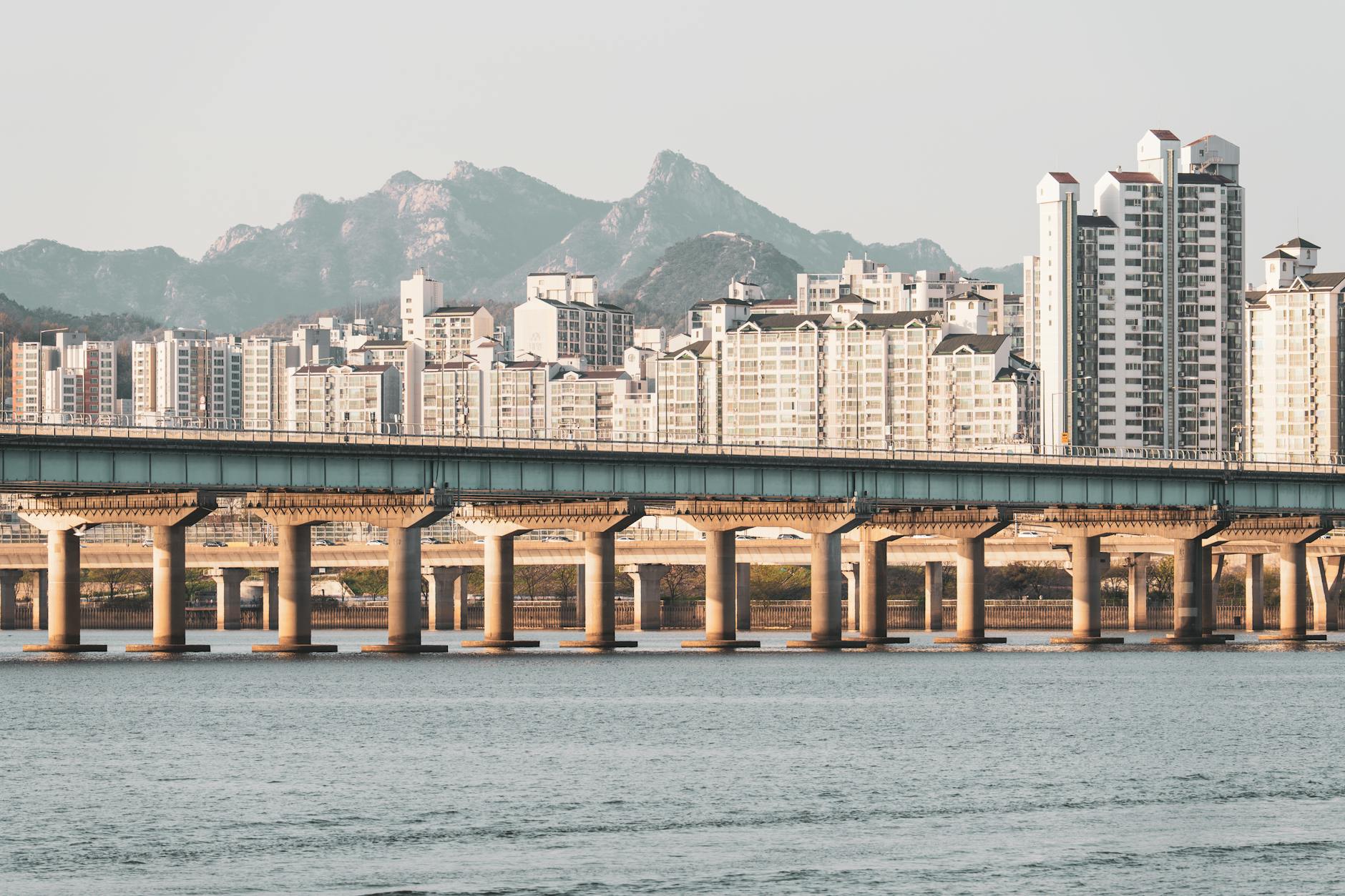
The Bank of Korea’s monetary policy, primarily focused on taming inflation through interest rate hikes, significantly impacts mortgage rates. Higher borrowing costs invariably reduce affordability for potential homebuyers, dampening demand across various property segments.
Furthermore, rising construction material costs and labor shortages continue to challenge developers. These factors can lead to increased housing prices, even as demand softens, creating a complex dilemma for policymakers and market participants alike.
Regional Dynamics and Investment Outlook
The South Korea Real Estate market is far from monolithic; it exhibits significant regional disparities. Seoul and the surrounding Gyeonggi Province often operate under different dynamics compared to other major cities and rural areas. Understanding these regional nuances is vital for strategic decision-making.
Investment strategies must be tailored to specific local conditions, considering factors like population shifts, industrial development, and local government initiatives. What thrives in Seoul may struggle in a provincial city, and vice versa.
Seoul vs. Provinces: A Tale of Two Markets
Seoul’s property market typically demonstrates greater resilience and higher price points due to its concentration of jobs, education, and cultural amenities. Demand often outstrips supply, maintaining upward pressure on prices despite broader economic slowdowns. Investors often view Seoul’s market as a relatively safe haven.
In contrast, many provincial cities face challenges such as an aging population and outward migration. While some regions may see boosts from specific government-led projects or industrial expansion, others could experience stagnation or even decline in property values. This divergence necessitates a highly localized analytical approach to South Korea Real Estate.
Emerging Hotspots and Cautionary Tales
Certain provincial areas might emerge as unexpected hotspots, often driven by new infrastructure, corporate relocations, or special economic zones. These areas can offer attractive returns for astute investors willing to undertake more detailed research and accept higher risks.
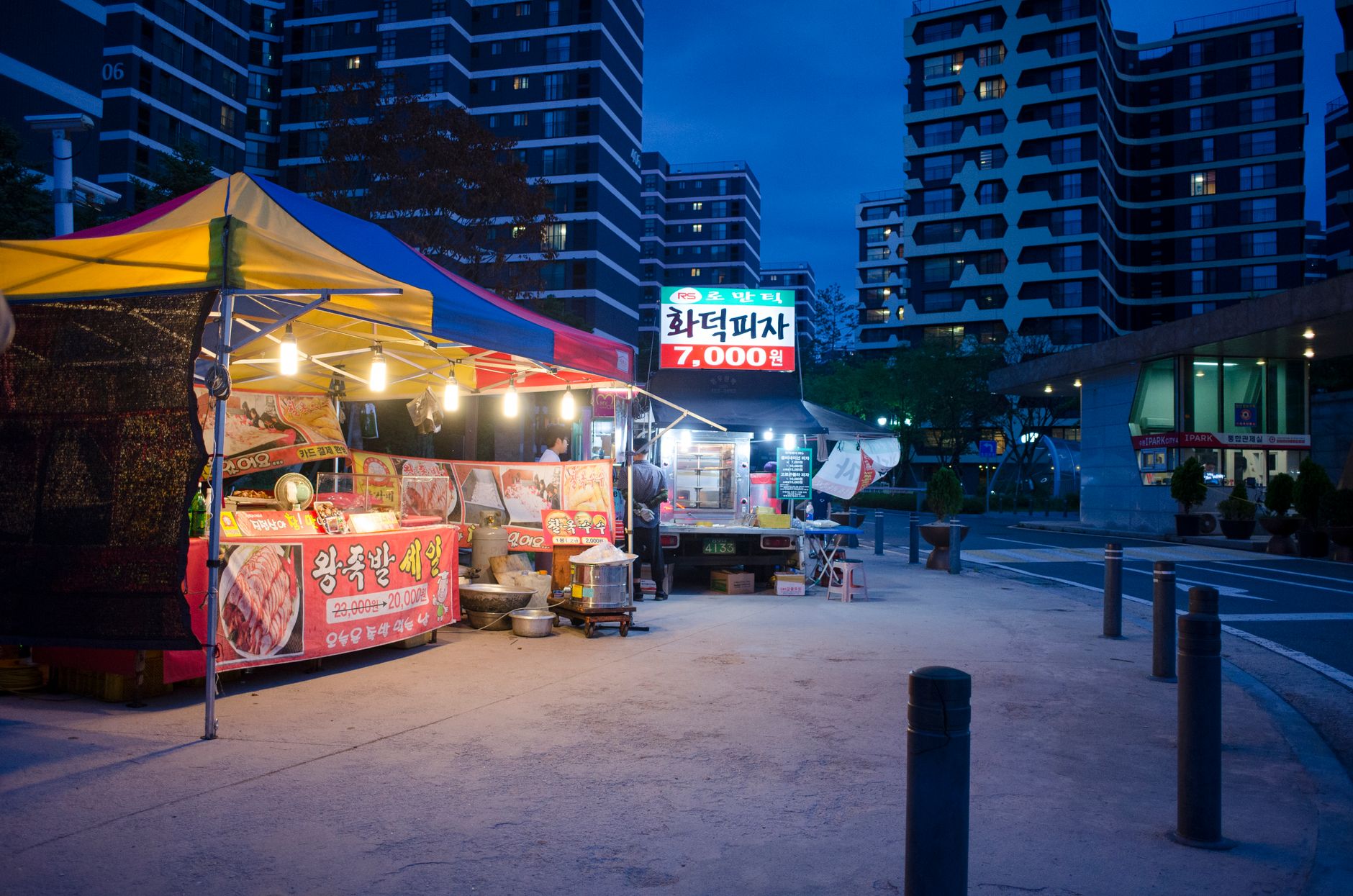
However, investors must exercise caution to avoid speculative bubbles. Rapid price increases in a short period, especially without underlying fundamental economic growth, can signal an unstable market. Diversification and a long-term perspective are crucial when exploring these emerging markets in South Korea Real Estate.
What Lies Ahead for Buyers and Investors
The post-election period introduces both opportunities and uncertainties for those engaged with South Korea Real Estate. Navigating this environment requires careful consideration of various influencing factors, from local policy shifts to global economic currents.
For prospective buyers, the current landscape may present a window of opportunity as demand potentially cools. However, rising interest rates mean that affordability remains a critical concern. For investors, a diversified portfolio and a focus on long-term value will be paramount.
Navigating Uncertainty with Prudence
Buyers should conduct thorough research into specific districts and property types. Understanding the new local government’s plans for their area of interest is essential. Factors such as zoning changes, new development projects, and public transportation expansions can significantly impact future property values.
- Financial Health: Assess personal financial stability, considering potential further interest rate hikes.
- Market Research: Deep dive into specific local markets, rather than relying on national averages.
- Long-Term View: Prioritize properties that offer long-term value and stability, rather than chasing short-term speculative gains.
Investors might consider properties that offer stable rental income or are located in areas slated for significant long-term growth. Commercial properties or specific niche markets could also present appealing alternatives as the residential market adjusts to new realities. The overall economic trajectory of the nation, as highlighted by resources like Wikipedia’s overview of South Korea’s economy, will continue to be a foundational element shaping the market.
Long-Term Projections for South Korea Real Estate
Despite the current volatility, the long-term outlook for South Korea Real Estate remains subject to its unique demographic trends and robust economic fundamentals. An aging population and shrinking household sizes will continue to reshape demand patterns. Furthermore, the government’s sustained commitment to housing welfare and market stability will play a pivotal role.
The market is expected to adapt to these evolving conditions, with potential shifts towards smaller, more efficient housing units and increased focus on urban regeneration projects. Understanding these underlying currents will be key to making informed decisions in the dynamic Korean property landscape.
To report grammatical errors, typos, or request factual corrections, please contact us at CHY011996@GMAIL.COM.
Original source: “지방선거 그 후”…부동산 시장 다음 변수는 [돈앤톡] – 한국경제
