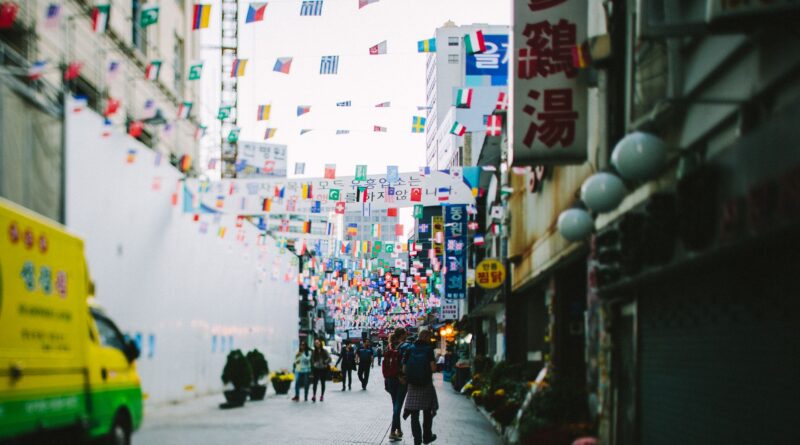
7 Korean Lifestyle Trends Tourists Are Embracing in Seoul
\n\n
SEOUL — Seoul is witnessing a profound transformation in its tourism landscape. Gone are the days when international visitors solely flocked to ancient palaces or towering skyscrapers.
Today, a burgeoning trend sees travelers actively seeking out authentic, everyday experiences, immersing themselves in the very fabric of Korean Lifestyle.
This shift signifies a deeper desire to connect with the nation, fueled by the global phenomenon of Culture” class=”ek-internal-link” style=”color:#0056b3; font-weight:bold; text-decoration:underline;”>K-culture.
Tourists now wish to live, eat, and breathe like a local, creating a new dimension of travel.
The Allure of Authentic Korean Lifestyle Experiences
The pursuit of local authenticity is redefining travel itineraries across South Korea.
Visitors are moving beyond conventional tourist hotspots to uncover the soul of the nation.
They are not just observing but participating, making their trips truly memorable.
Beyond the Palace Gates: Everyday Adventures
While historic sites like Gyeongbokgung Palace remain popular, the focus has broadened significantly.
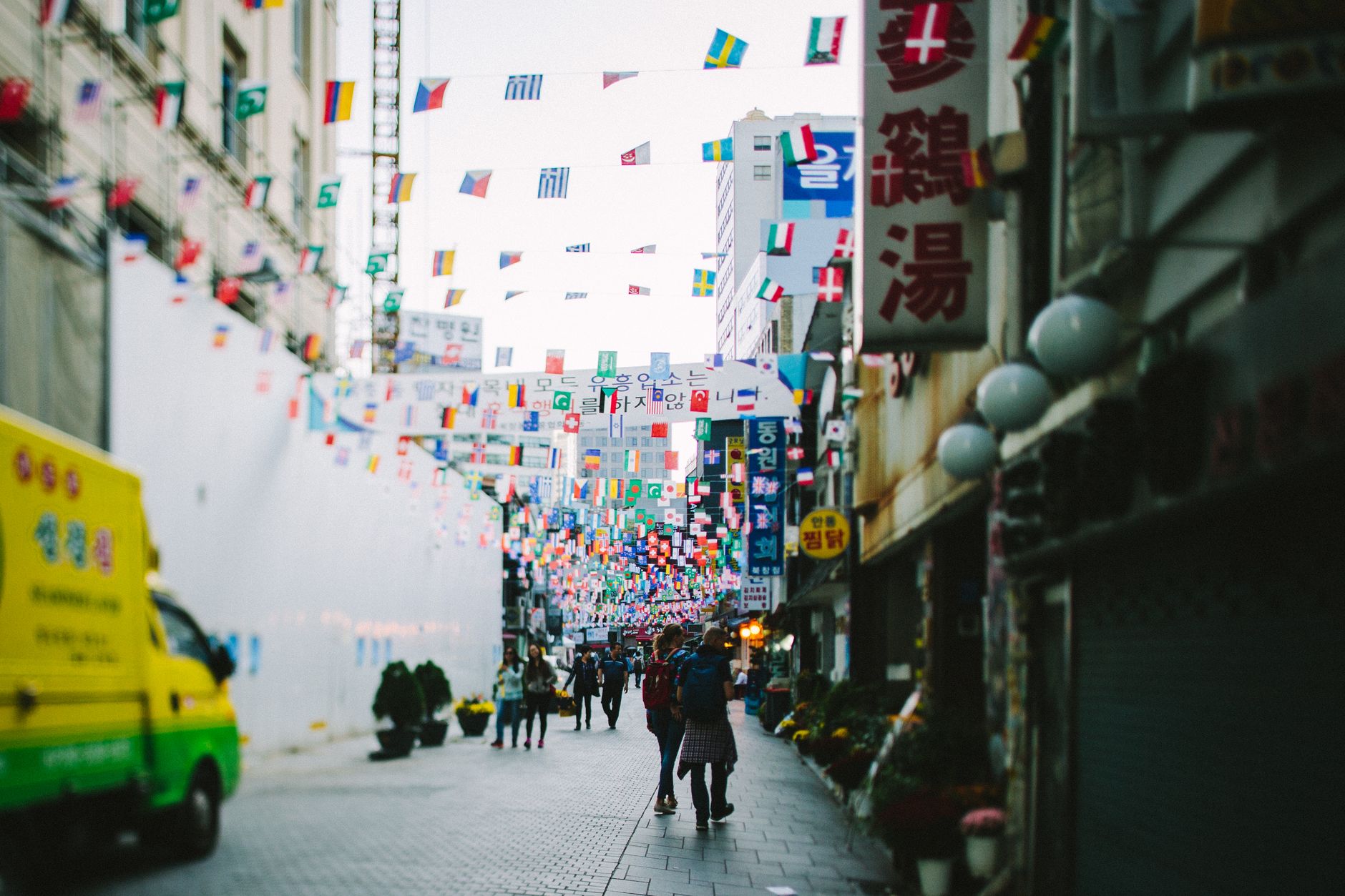
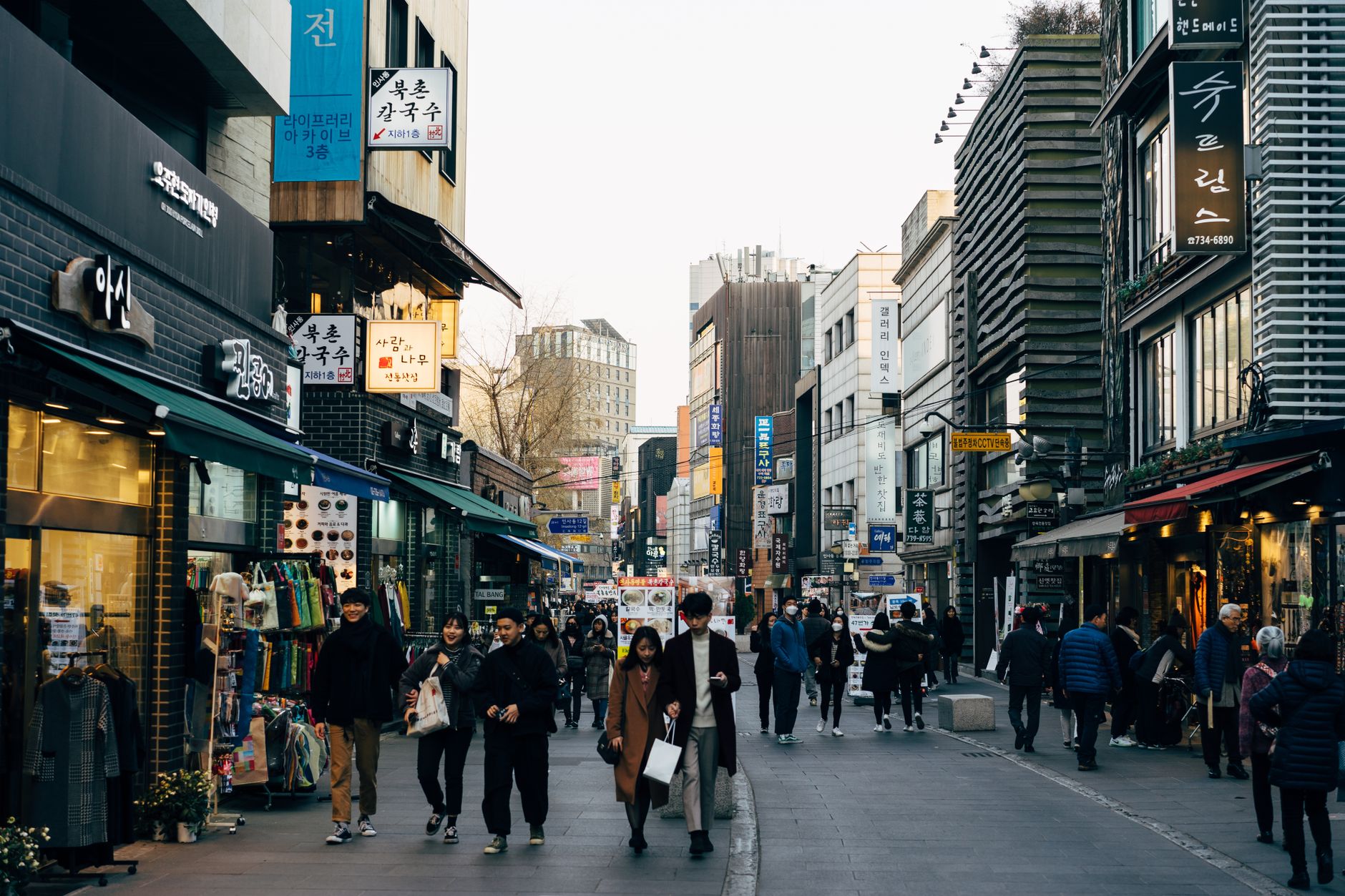
Travelers are now exploring vibrant, less-known neighborhoods that offer a glimpse into local life.
Areas like Seongsu-dong, known for its industrial-chic cafes and fashion boutiques, draw those eager to experience contemporary Seoul.
Yeonnam-dong, with its charming streets and unique independent shops, is another magnet for culturally curious visitors.
These districts provide a contrast to the bustling city center, offering a more relaxed and genuine taste of the Korean Lifestyle.
Walking through these streets, one encounters a mix of traditional and modern, a characteristic blend of Korean urban living.
Culinary Immersion: Eating Like a Local
Food is undeniably a cornerstone of any culture, and Korea is no exception.
Instead of fine dining, many tourists now prefer the vibrant atmosphere of traditional street food markets.
Gwangjang Market, for instance, offers an overwhelming array of local delicacies, from ‘bindaetteok’ (mung bean pancakes) to ‘tteokbokki’ (spicy rice cakes).
Diners are also increasingly venturing into humble local eateries specializing in dishes like ‘gukbap’ (rice soup) or ‘jjajangmyeon’ (black bean noodles), just like everyday Koreans.
The ubiquity of convenience stores, a key part of the Korean Lifestyle, also fascinates foreign visitors.
Many enjoy trying various instant ramyeon, snacks, and drinks, recreating experiences seen in K-dramas.
Café culture is another major draw, with visitors spending hours in aesthetically pleasing local coffee shops, soaking in the ambiance.
Discovering unique neighborhood cafes has become a cherished part of their travel narrative.
Embracing Local Routines: Transport and Wellbeing
Riding Seoul’s efficient public transportation system is no longer merely a means to an end; it’s an experience in itself.
Tourists appreciate the cleanliness, punctuality, and technological sophistication of the subway and bus networks.
It allows them to move around the city seamlessly, just like locals do, truly embracing the rhythm of the Korean Lifestyle.
Another popular immersive activity is visiting a ‘jjimjilbang,’ a traditional Korean bathhouse and sauna.
These establishments offer a unique communal experience, providing relaxation and a peek into Korean social rituals.
For those seeking unique souvenirs, visiting local beauty salons for a K-beauty transformation or capturing memories at a ‘selfie studio’ are gaining traction.
The desire to connect with the local beauty standards and everyday practices is evident.
From Screen to Street: K-Culture’s Powerful Influence
The global explosion of K-pop, K-dramas, and K-beauty has profoundly shaped travel desires.
Shows often feature characters engaging in typical daily activities, from grabbing street food to riding the subway.
Fans now travel to Korea with a mission to experience these very scenes firsthand, living out their K-drama fantasies.
This phenomenon transforms virtual admiration into tangible experience, fostering a deep appreciation for the Korean Lifestyle.
Social media plays a critical role, with platforms like Instagram and TikTok showcasing these immersive travel moments.
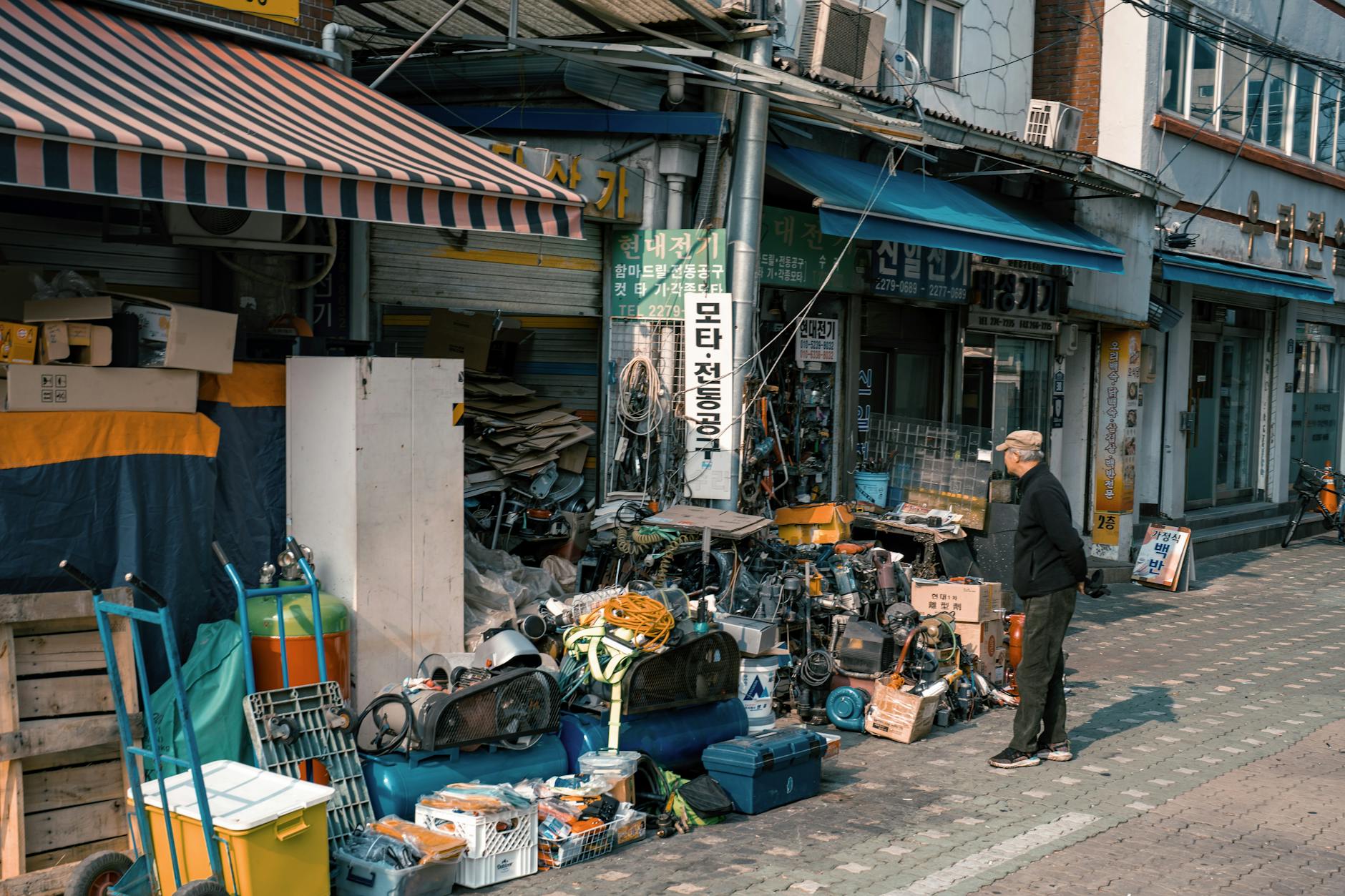
Travelers actively seek out ‘Instagrammable’ spots that reflect authentic local life, sharing their adventures globally.
This creates a virtuous cycle, inspiring more people to discover the charm of ordinary Korean living.
The allure of seeing their favorite idols’ frequented spots or experiencing what they’ve seen on screen drives a new wave of tourism.
For more insights into Korean culture and attractions, VisitKorea provides extensive resources.
The Economic Impact and Future Outlook for Korean Lifestyle Tourism
This shift towards experiential travel has significant economic implications for Korea.
Local businesses, often overlooked by traditional tourism, are now thriving, benefitting from increased foot traffic and spending.
Small cafes, independent boutiques, and traditional markets receive a boost, fostering local economies.
The tourism industry is adapting, with operators developing specialized tours focused on authentic experiences rather than generic sightseeing.
This trend suggests a sustainable future for Korean tourism, emphasizing cultural exchange over mere consumption.
Understanding the nuances of the ‘Hanok’ (traditional Korean house) for instance, provides a deeper cultural context for visitors, as explored on Korea.net.
The desire for a genuine Korean Lifestyle experience is likely to grow, prompting further innovation in the travel sector.
Korea’s ability to constantly reinvent its appeal, leveraging its rich culture and modern dynamism, positions it uniquely.
In conclusion, the era of passive tourism in Korea is fading, replaced by a vibrant quest for authentic immersion.
Visitors are no longer content with just observing; they want to feel, taste, and live the Korean Lifestyle.
This profound evolution promises a richer, more meaningful connection between travelers and the captivating nation of South Korea.
It’s a testament to the enduring global appeal of K-culture and the inherent charm of everyday Korean life.
To report grammatical errors, typos, or request factual corrections, please contact us at CHY011996@GMAIL.COM.
Original source: [K-Culture] 한국의 일상을 소비하는 외국인 관광객들의 여행 트렌드 – 시사캐스트
