
Physical AI: 5 Reasons NVIDIA’s Jensen Huang Eyes Korean Robotics
\n\n
Physical AI: Why South Korea is a Global Hub for Robotics and NVIDIA’s Next Big Bet
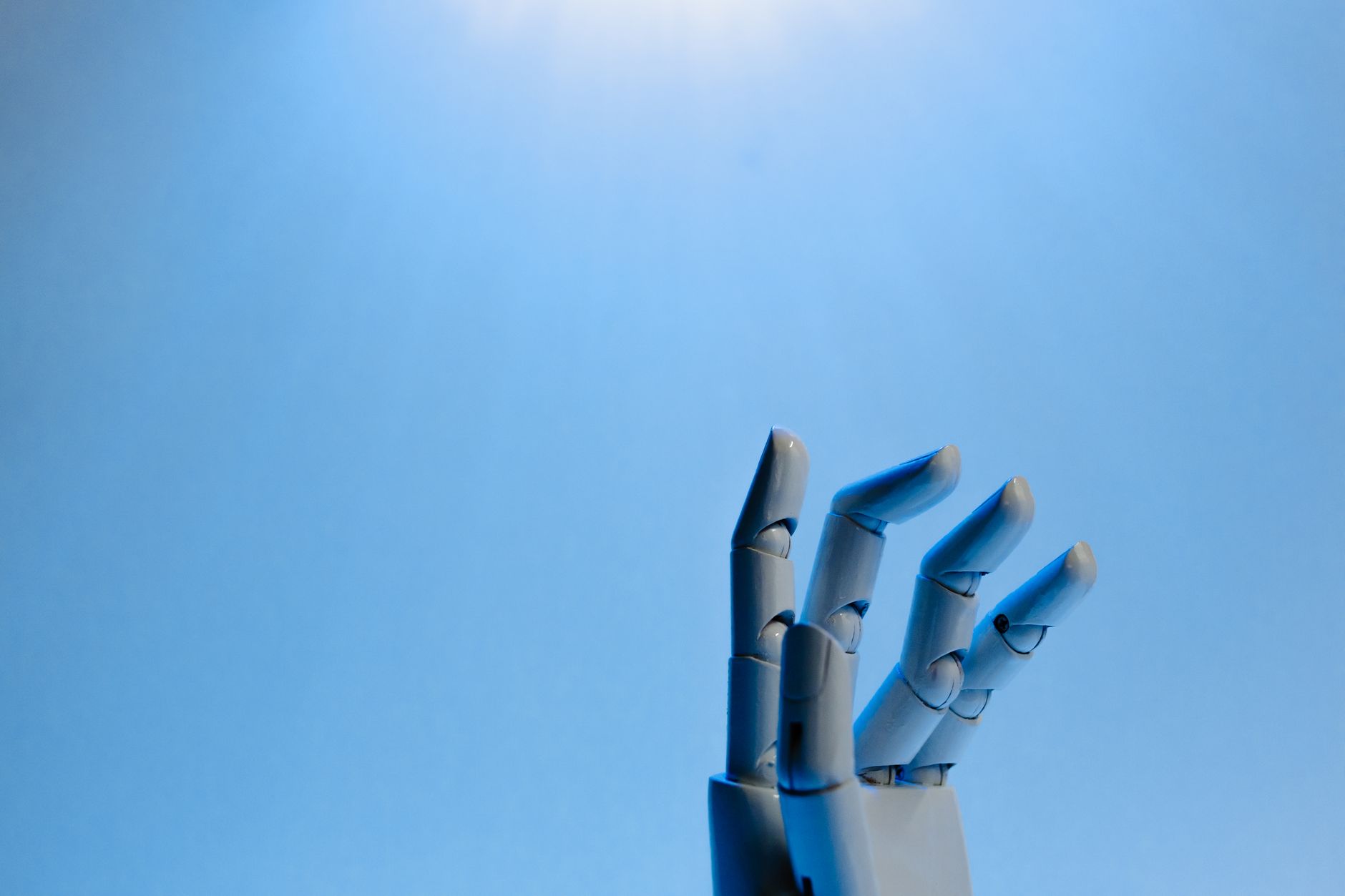
SEOUL — Seoul, South Korea – NVIDIA CEO Jensen Huang’s recent visit to South Korea marks a significant moment in the global tech landscape. His agenda included critical meetings with leading Korean robotics and AI startups. These discussions focused on advancing what many see as the next frontier: Physical AI.
This strategic engagement underscores South Korea’s growing prominence in the development of intelligent machines. It highlights a burgeoning ecosystem poised to revolutionize industries worldwide. The collaboration could define the future of autonomous systems.
Why Korea is a Hotbed for Physical AI Advancement
South Korea has long been a powerhouse in technology and manufacturing. Its historical strengths in semiconductors, display technology, and automotive industries provide a robust foundation. This environment naturally fosters innovation in robotics and artificial intelligence.
The nation boasts a highly skilled workforce and significant government investment in R&D. These factors create an ideal ecosystem for groundbreaking technological advancements. Startups benefit from strong public and private sector support.
A culture of rapid adoption and cutting-edge research further fuels this growth. Korean engineers and researchers are at the forefront of developing sophisticated algorithms and hardware. Their work often pushes the boundaries of what’s possible in robotics.
For more insights into South Korea’s technological prowess, visit South Korea’s official government portal.
Key Factors Driving Korean Robotics Innovation:
- Strong Government Support: The South Korean government actively promotes AI and robotics through various initiatives. These programs include funding, research grants, and policy frameworks.
- Advanced Manufacturing Base: A world-class manufacturing infrastructure facilitates the rapid prototyping and production of robotic components. This accelerates development cycles significantly.
- Talent Pool: Premier universities and research institutions produce a steady stream of highly educated engineers and AI specialists. This rich talent pipeline is crucial for innovation.
- High-Speed Infrastructure: South Korea’s ubiquitous high-speed internet and 5G networks provide essential connectivity. This infrastructure supports complex AI models and real-time robotic operations.
- Early Adopter Market: Consumers and industries in South Korea are often quick to embrace new technologies. This creates a fertile testing ground for new Physical AI applications.
NVIDIA’s Vision for Physical AI and Strategic Partnerships
NVIDIA, renowned for its graphics processing units (GPUs), has become a dominant force in AI computing. The company’s platforms are critical for training complex neural networks. These networks power everything from autonomous vehicles to large language models.
Jensen Huang’s focus on Physical AI signifies a strategic pivot and expansion. It involves bringing AI out of the digital realm and into tangible, interactive systems. This means robots that can perceive, reason, and act in the real world.
The collaboration with Korean startups is a testament to this vision. NVIDIA seeks to leverage Korea’s expertise in hardware and robotic integration. This partnership could accelerate the development of next-generation intelligent machines.
Huang believes that the synergy between NVIDIA’s AI software and Korean robotic hardware is transformative. This combination can unlock unprecedented capabilities in automation. It promises a future where robots are seamlessly integrated into daily life and industry.
The Future Landscape of Physical AI
The applications of advanced Physical AI are vast and varied. They span multiple sectors, promising significant societal and economic impact. From enhancing manufacturing efficiency to revolutionizing healthcare, the possibilities are immense.
- Industrial Automation: More intelligent and adaptable robots can perform complex tasks on factory floors. This leads to increased productivity and safety.
- Logistics and Supply Chain: Autonomous robots can sort, move, and deliver goods with greater speed and precision. This optimizes supply chain operations globally.
- Healthcare: Robotic assistants can aid in surgeries, patient care, and rehabilitation. They offer precision and support that augments human capabilities.
- Service Robotics: Humanoid robots and intelligent systems could provide assistance in homes, offices, and public spaces. They could enhance quality of life and accessibility.
- Exploration: Robots equipped with advanced AI can navigate extreme environments for research or rescue missions. This expands our reach into dangerous or inaccessible areas.
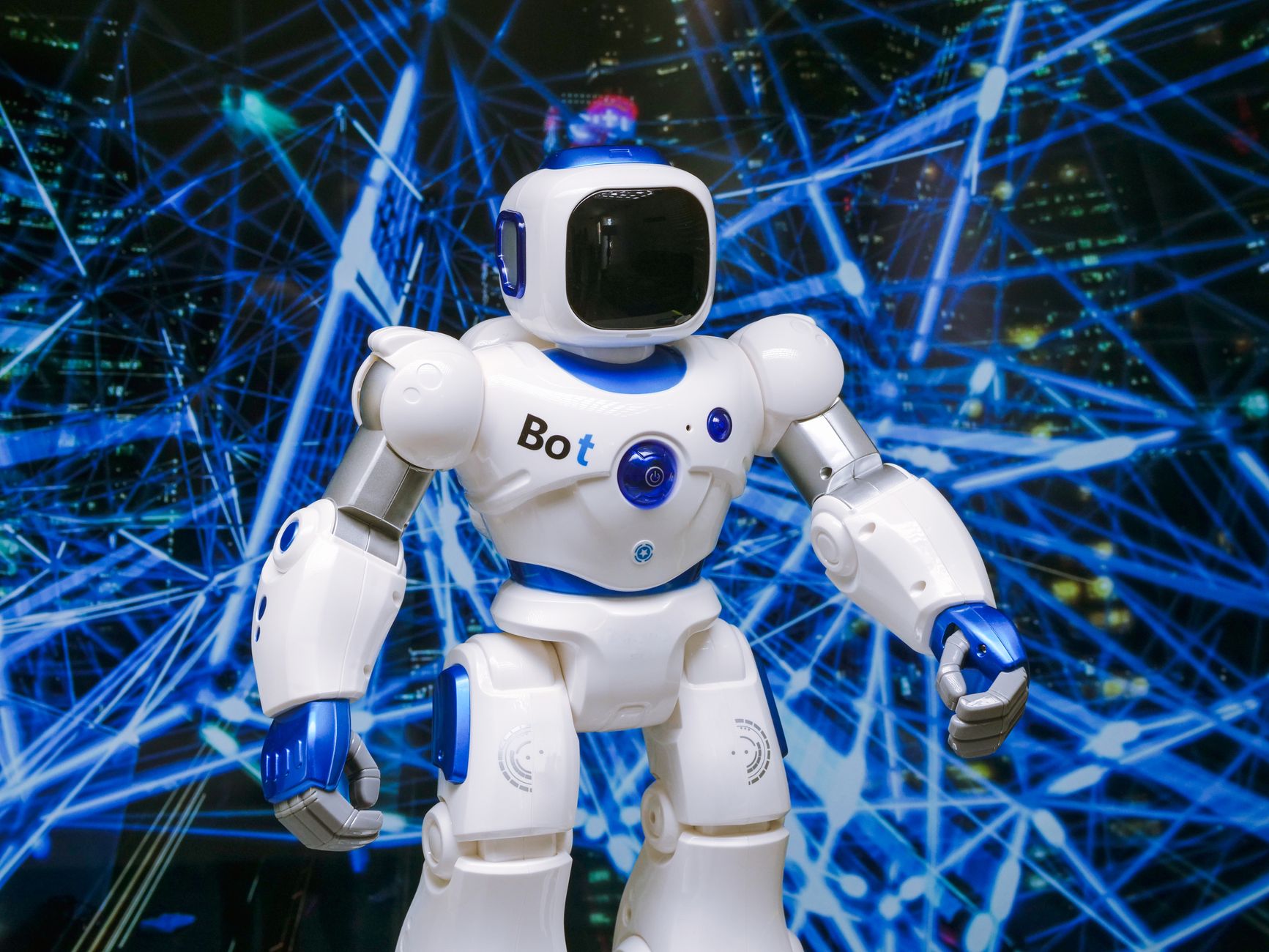
These developments require robust AI models capable of real-time perception and decision-making. NVIDIA’s platforms provide the computational backbone for such demanding tasks. They are essential for turning theoretical AI into practical Physical AI.
Learn more about the broader scope of AI in South Korea via Wikipedia’s overview on AI in South Korea.
Challenges and Opportunities in the Physical AI Frontier
While the promise of Physical AI is immense, significant challenges remain. Integrating complex AI software with sophisticated robotic hardware requires meticulous engineering. Ensuring safety and reliability in autonomous systems is paramount.
Ethical considerations also play a crucial role in the development and deployment of these technologies. Issues of job displacement, privacy, and accountability must be addressed thoughtfully. Responsible innovation is key to public acceptance.
Despite these hurdles, the collaborative efforts between NVIDIA and Korean startups signal a bold step forward. This partnership aims to overcome technical barriers through shared expertise. It fosters a global ecosystem of innovation.
The long-term impact of this collaboration could be transformative. It might solidify South Korea’s position as a critical player in the global AI and robotics race. The world watches keenly as Physical AI takes shape in Seoul.
This synergy of hardware and software promises to unleash a new era of intelligent machines. The future of automation and human-robot interaction is being built today. This is happening through groundbreaking partnerships like this one.
The pursuit of truly autonomous and adaptive robots is intensifying. Jensen Huang’s visit underscores that South Korea is an indispensable partner. Its contributions are vital in this global technological quest.
To report grammatical errors, typos, or request factual corrections, please contact us at CHY011996@GMAIL.COM.
Original source: 젠슨 황, 한국 로봇·AI 스타트업 만난다… 피지컬 AI 협력 논의 – IT조선
