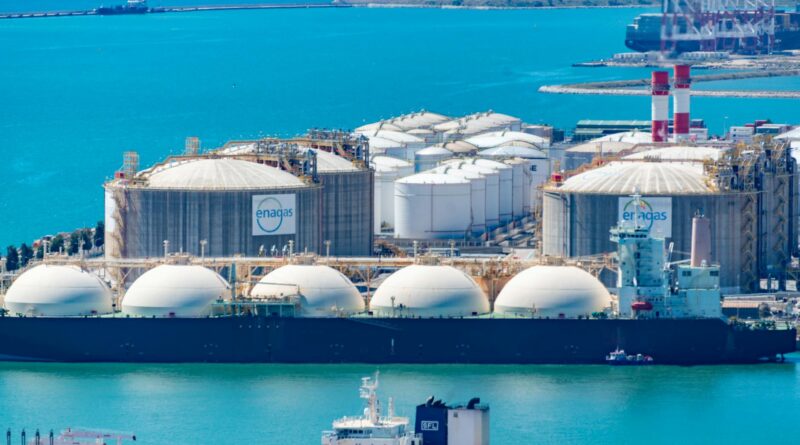
South Korea Secures Major Louisiana FLNG Contract
\n\n
A consortium representing South Korea, collectively known as ‘Team Korea,’ has successfully clinched a substantial 4 trillion Korean Won (approximately 3 billion US dollars) Floating Liquefied Natural Gas (FLNG) project in Louisiana, United States. This monumental achievement, secured recently, underscores South Korea’s growing prominence in the global energy infrastructure market. The South Korea FLNG contract not only promises a significant economic boost for the nation but also strengthens the strategic energy partnership between Seoul and Washington, marking a critical step in international energy collaboration.
The Strategic Win for “Team Korea”
The successful bid by ‘Team Korea’ for the Louisiana FLNG project marks a pivotal moment for South Korea’s industrial and economic landscape. This consortium typically comprises state-backed financial institutions alongside leading private engineering, procurement, and construction (EPC) firms, as well as renowned shipbuilders. Their combined technical prowess and financial backing were crucial in securing this highly competitive, high-value contract.
This approximately $3 billion deal is projected to generate thousands of direct and indirect job opportunities within South Korea’s heavy industries. It spans various stages from initial design and advanced engineering to complex construction and specialized manufacturing processes, thereby stimulating economic activity across multiple sectors and solidifying the country’s reputation as a world leader in complex marine engineering and energy solutions.
The South Korean government played an active and crucial role in facilitating this agreement, leveraging its diplomatic and economic channels to support ‘Team Korea’s’ bid against fierce international competition. This proactive governmental involvement highlights the strategic importance placed on expanding Korea’s footprint in critical global energy projects and securing future growth engines.
Project Scope and Impact on US Energy Sector
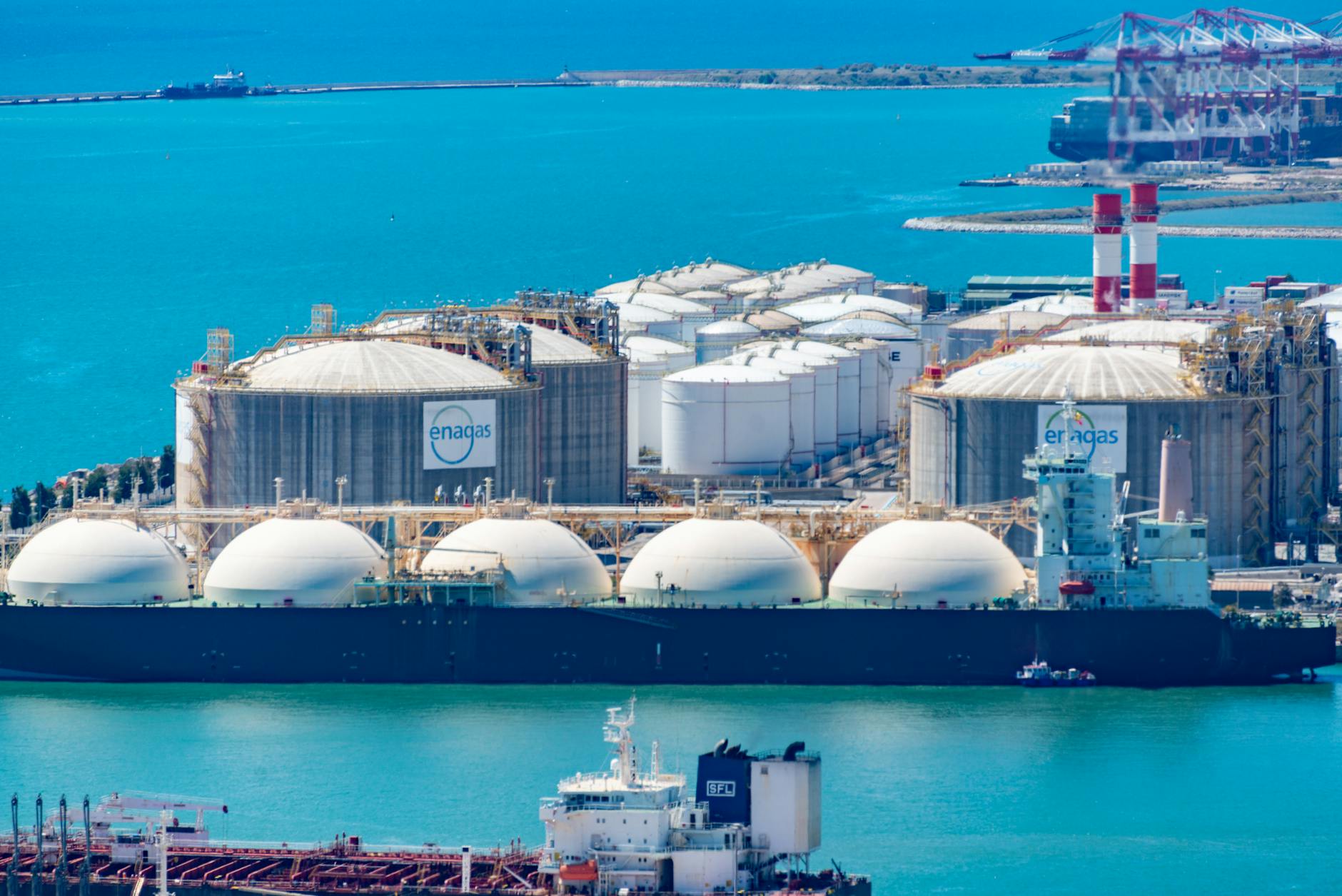
An FLNG facility represents a cutting-edge technological solution designed for the offshore production, liquefaction, storage, and offloading of natural gas. These self-contained units are particularly valuable for unlocking gas reserves in remote or deep-water locations where traditional pipeline infrastructure and onshore LNG plants are not economically or logistically feasible.

The Louisiana project is poised to significantly enhance the United States’ capacity for natural gas export, especially from the abundant shale gas resources found in the Gulf Coast region. This new infrastructure will provide additional flexibility, resilience, and efficiency to global energy supply chains, ensuring a steady flow of natural gas to meet increasing international demand.
The strategic location of Louisiana, with its direct access to major shipping routes and established energy infrastructure, makes it an ideal hub for energy export. The development of this state-of-the-art FLNG facility will further contribute to the diversification of energy sources available to international markets, bolstering global energy security for importing nations and generating substantial economic benefits for the local economy.
Advancing Korea’s Global Energy Footprint
This landmark South Korea FLNG contract win significantly elevates South Korea’s standing as a formidable and indispensable player in the global energy infrastructure sector. Korean companies have a long-established history of excellence in shipbuilding and offshore plant construction, consistently ranking among the top globally, a legacy that was undoubtedly a key factor in this bid’s success and ongoing industry trust.
The advanced technical capabilities required for FLNG projects, including highly complex engineering, sophisticated gas liquefaction processes, and robust marine structural integrity, vividly showcase South Korea’s high-tech industrial prowess. This project will serve as a strong global reference, further enhancing Korea’s competitive edge in the highly specialized and capital-intensive FLNG market, especially in an era of increasing demand for cleaner energy alternatives like natural gas.
Moreover, the extensive experience gained from successfully delivering such mega-projects contributes significantly to Korea’s overall industrial development. It fosters continuous innovation in related technologies, strengthens domestic supply chains, and reinforces the nation’s long-term economic strategy to become a leading global exporter of high-value industrial solutions and advanced technological services.
Strengthening Bilateral Ties and Economic Cooperation
The collaboration on the Louisiana FLNG project profoundly extends the robust alliance between the United States and South Korea, moving beyond traditional security and defense agreements into critical economic and industrial partnerships. This deepening economic partnership is increasingly vital, fostering mutual prosperity, technological advancements, and shared strategic interests.
Such large-scale infrastructure projects exemplify the deepening economic integration and mutual trust that characterizes the relationship between the two countries. They create a robust framework for sustained cooperation in critical sectors, enhancing supply chain resilience, promoting joint research and development, and fostering innovation across a broader spectrum of industries.
This deal is far more than just a commercial transaction; it represents a shared commitment to global energy stability, economic growth, and technological leadership. It opens doors for potential future collaborations across various high-tech industries, from advanced manufacturing and digital technologies to renewable energy solutions and sustainable infrastructure development.
Why It Matters
This South Korea FLNG contract is a powerful affirmation of Korea’s engineering leadership and its pivotal role in global energy infrastructure. For South Korea, it translates into substantial export revenues, significant job creation across multiple industries, and an enhanced international reputation in a highly competitive market. For the United States, it means substantially increased capacity for energy exports, bolstering its position as a key global energy supplier and creating robust local economic opportunities in Louisiana. More broadly, it critically underscores the strengthening economic ties between two key allies, promoting mutual prosperity and contributing significantly to global energy security by diversifying supply options and ensuring market stability.
Background
South Korea has long been renowned for its world-class shipbuilding and heavy industries, consistently delivering highly complex marine structures and offshore platforms, including specialized vessels like LNG carriers. Its expertise in these areas naturally extended to the advanced FLNG technology as the global demand for cleaner-burning natural gas surged as an energy transition fuel. The “Team Korea” approach often involves coordinated government backing and financial support to enable Korean firms to successfully bid for and undertake large-scale international projects, particularly in strategic sectors like energy and infrastructure. The United States, having experienced a significant shale gas revolution, has rapidly become one of the world’s largest natural gas producers and exporters, driving the critical need for sophisticated infrastructure like FLNG terminals to efficiently bring its abundant resources to diverse international markets. For more information on Korea’s industrial landscape and economic policies, visit the official government portal at korea.net. To understand the intricate engineering and operational aspects of Floating Liquefied Natural Gas (FLNG) technology, further consult specialized resources such as Wikipedia on FLNG.
To report grammatical errors, typos, or request factual corrections, please contact us at CHY011996@GMAIL.COM.
Original source: [정부] ‘팀코리아,’ 4조원 규모의 미국 루이지애나 FLNG 수주 – 워터저널
