
While traditional perceptions of intense Korean Work Culture with long hours and mandatory company gatherings persist, significant shifts are underway, making work-life balance increasingly achievable. Government initiatives and a generational push are transforming corporate environments, particularly in certain industries and progressive companies, offering a more nuanced reality for foreign professionals.
Key Takeaways
- The demanding aspects of traditional Korean corporate culture are evolving, driven by societal and governmental pressures.
- National and local government initiatives actively promote work-life balance (“Worabal”) to address demographic challenges and improve employee well-being.
- Newer industries, such as tech and startups, generally offer more flexible and progressive work environments compared to traditional chaebols.
- Foreign professionals can find companies in Korea that prioritize work-life balance by conducting thorough research and targeting specific sectors.
The image of Korean corporate life often conjures up scenes of grueling long hours, hierarchical structures, and obligatory after-work gatherings known as hoe-sik (회식). This perception, rooted in Korea’s rapid post-war economic development, fostered a culture where dedication was often measured by presence and sacrifice. For decades, the “ppalli-ppalli” (빨리빨리, “hurry-hurry”) ethos permeated workplaces, prioritizing speed and collective effort over individual work-life balance.
However, this steadfast image is undergoing a significant transformation. A growing emphasis on Worabal (워라밸), a portmanteau of “work” and “life balance,” is reshaping corporate landscapes across the nation. This shift is not merely a fleeting trend but a fundamental reevaluation of priorities driven by demographic pressures, evolving generational values, and government intervention.
One of the primary catalysts for this change is Korea’s severe demographic crisis, characterized by one of the world’s lowest birth rates and a rapidly aging population. Recognizing that a healthy work-life balance is crucial for encouraging family formation and retaining skilled talent, both national and local governments have stepped in. Seoul City, for instance, actively promotes a “child-rearing friendly corporate culture,” encouraging policies like flexible working hours, enhanced parental leave, and on-site childcare facilities. These initiatives aim to alleviate the burden on working parents, making it easier to balance professional responsibilities with family life.
Similarly, cities like Cheonan have declared work-life balance a “core population policy,” illustrating how deeply ingrained this concept has become in national strategy. Such regional efforts complement broader national campaigns, highlighting that improving corporate culture is seen as essential for the nation’s future. These policies are not just about employee satisfaction but about ensuring societal sustainability and economic competitiveness.
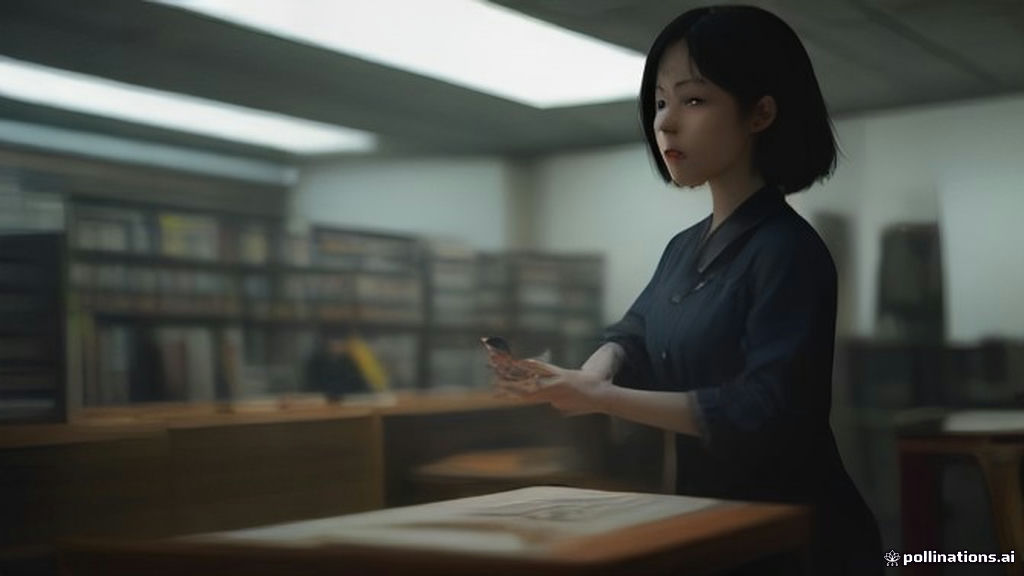
Further underscoring this commitment is the introduction of initiatives like the “Worabal Week,” designed to raise public awareness and encourage companies to adopt more balanced work practices. These weeks feature various programs and campaigns that advocate for reduced working hours, flexible arrangements, and a healthier overall work environment. Such public campaigns play a vital role in normalizing the pursuit of work-life balance and challenging long-held corporate norms.
A significant driver of this cultural shift also comes from within the workforce itself, particularly from younger generations. Millennials and Gen Z, both domestically and internationally, increasingly prioritize personal well-being, self-development, and leisure time over traditional career advancement at any cost. This global trend is evident in reports indicating that even Vietnamese Gen Z, when seeking employment in Korea, prioritize work-life balance and opportunities for self-development. This generational demand exerts pressure on companies to adapt or risk losing valuable talent.
For foreigners considering working in Korea, understanding these nuances is crucial. The intensity of corporate work culture and the inevitability of long hours heavily depend on the industry and the specific company. Traditional conglomerates, or chaebols, are often perceived as maintaining more rigid hierarchies and longer working hours, although even they are slowly adapting to the changing times, particularly in their global divisions.
In contrast, sectors like tech, startups, and international companies generally offer more flexible and progressive work environments. These industries tend to be more results-oriented, less hierarchical, and often have a more diverse employee base, including a significant number of foreigners. They are typically quicker to adopt flexible working hours, remote work options, and a more relaxed approach to after-work activities, aligning better with expectations of a healthier work-life balance.
The infamous hoe-sik culture, too, is evolving. While still a part of Korean corporate life, its frequency and mandatory nature are diminishing in many companies, especially those embracing modern work practices. Many progressive firms are replacing traditional, alcohol-fueled gatherings with more diverse, optional activities, or even daytime team-building events. It is no longer universally expected for employees to stay out late with colleagues multiple times a week.

| Aspect | Traditional Korean Work Culture | Evolving Korean Work Culture |
|---|---|---|
| Working Hours | Long, often extending past official hours; perceived loyalty through presence. | Increasing focus on standard hours; flexible work options gaining traction. |
|
After-Work Activities (Hoe-sik) |
Often mandatory, frequent, for team bonding and networking. |
Less mandatory, more optional; diverse activities, sometimes during work hours. |
|
Work-Life Balance |
Low priority, often sacrificed for career progression. |
High priority, recognized as key for employee well-being and productivity. |
|
Industry Trends |
Prevalent in large, traditional conglomerates (Chaebols). |
More common in tech, startups, and international companies. |
For foreigners seeking a company with a better culture, thorough research is paramount. Utilize resources like Glassdoor, LinkedIn, and even local Korean job platforms (translating reviews if necessary) to gauge company culture. Networking with other expatriates or current employees can provide invaluable firsthand insights into specific company practices regarding working hours, overtime, and social expectations.
During interviews, it is advisable to ask direct, yet polite, questions about average working hours, overtime policies, the frequency and nature of hoe-sik, and the company’s stance on remote or flexible work. Observing the office environment and the demeanor of potential colleagues during visits can also offer clues about the prevailing culture. Targeting companies with a visible international presence or those explicitly promoting work-life balance in their job descriptions can significantly increase the chances of finding a suitable fit.
While the demanding aspects of Korean work culture are indeed real and historically significant, the landscape is undeniably shifting. The collective efforts of the government, a changing workforce, and progressive companies are paving the way for a more balanced and foreigner-friendly work environment. With diligent research and a clear understanding of your priorities, finding a fulfilling career with a healthy work-life balance in Korea is increasingly within reach.
Frequently Asked Questions
Is hoe-sik still mandatory in most Korean companies?
The mandatory nature of hoe-sik is decreasing, especially in younger, tech-focused, or international companies. While still common, many firms now offer optional gatherings, diverse activities, or conduct them during working hours. It is crucial to inquire about a specific company’s hoe-sik policy during the interview process.
Which industries offer better work-life balance for foreigners in Korea?
Industries such as technology, startups, and multinational corporations generally offer better work-life balance due to their more flexible and internationalized corporate cultures. The education sector, particularly in university or international school settings, also often provides a more predictable schedule.
How can foreigners negotiate for better work-life balance during job interviews?
Foreigners can tactfully inquire about work-life balance by asking about average working hours, overtime policies, remote work options, and vacation benefits. Frame questions around productivity and efficiency rather than solely personal time, demonstrating alignment with company goals while expressing your value for a balanced lifestyle. Researching company culture beforehand helps in identifying suitable employers.
The narrative of an unyielding Korean Work Culture is giving way to a more flexible and balanced reality. Through sustained government initiatives like “Worabal Week” and a growing demand from new generations, companies are increasingly prioritizing employee well-being. Foreign professionals now have more opportunities to find roles that align with their desire for work-life balance, particularly in forward-thinking sectors and organizations committed to modern workplace values, as seen in local government efforts like those in Cheonan City.
To report grammatical errors, typos, or request factual corrections, please contact us at [email protected].