NVIDIA CEO Jensen Huang Embraces Korean Baseball Culture
\n\n
NVIDIA CEO Jensen Huang was observed engaging with South Korean sports culture, enjoying a Korea Baseball Organization (KBO) League game alongside the nation’s iconic “chimaek” – fried chicken and beer. His presence at the ballpark offered a unique glimpse into the cultural immersion of a global tech titan during a critical visit focused on advancing semiconductor and artificial intelligence collaborations with leading Korean companies. The casual outing underscored a blend of high-stakes business and genuine local experience for Jensen Huang Baseball enthusiasts.
Key Takeaways
- The appearance of NVIDIA CEO Jensen Huang at a KBO League game with “chimaek” highlights a significant moment of cultural exchange, showcasing a prominent global figure’s engagement with local Korean customs.
- This event drew international attention to the distinctive and vibrant fan culture of South Korean baseball, famed for its passionate supporters and unique culinary traditions.
- Huang’s recreational activity provided a humanizing perspective during his high-profile business trip, which centered on strategic discussions crucial for the future of AI and semiconductor technology.
The scene unfolded during what has been a pivotal period for Jensen Huang in South Korea. His agenda included high-level meetings with executives from major technology conglomerates, reinforcing strategic partnerships vital for the advancement of AI infrastructure and semiconductor manufacturing. Amidst these intensive discussions, Huang’s decision to attend a KBO League match offered a notable departure from his corporate engagements, providing a rare opportunity for him to experience everyday Korean life.
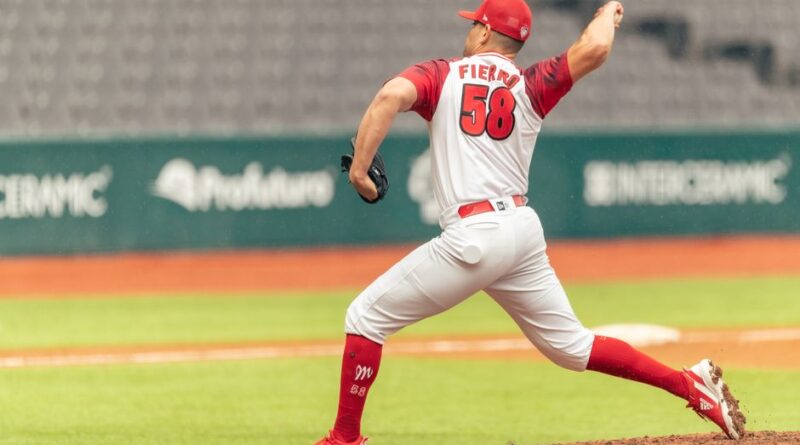
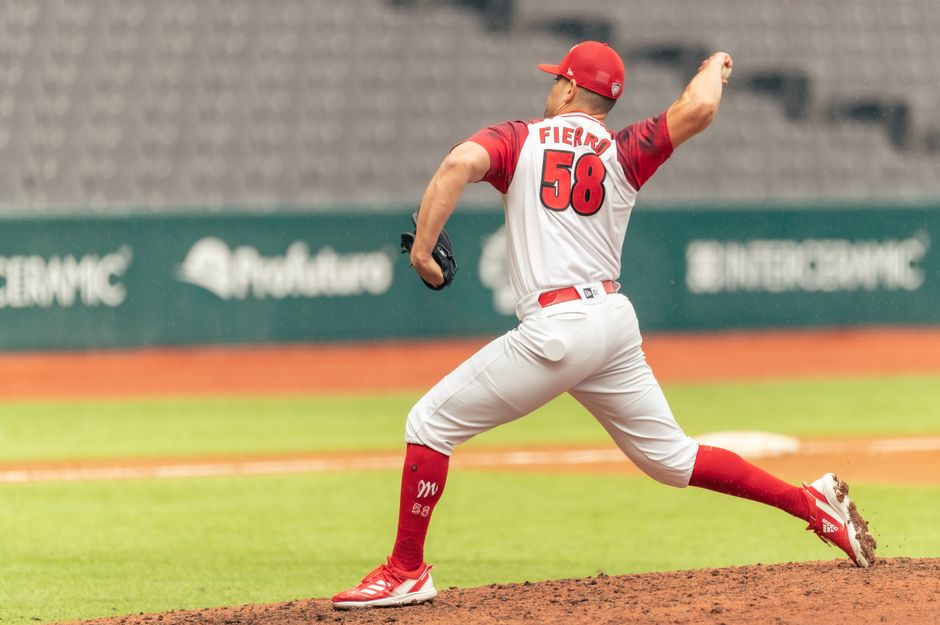
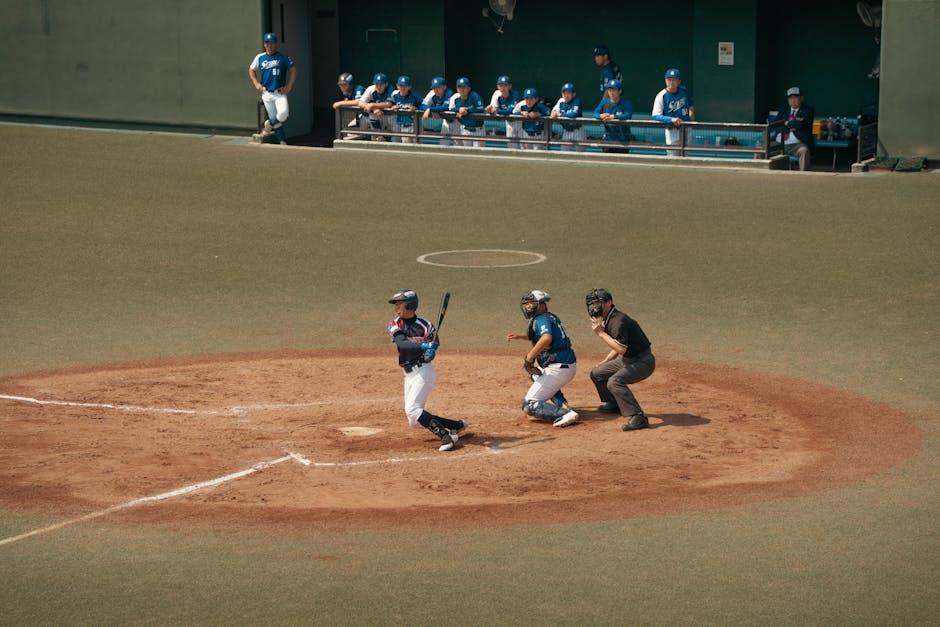
South Korean baseball, particularly the KBO League, is more than just a sport; it is a deeply embedded cultural phenomenon. Established in 1982, the league has grown exponentially to become one of the most popular professional sports leagues in Asia. Its stadiums are renowned for their electrifying atmosphere, where fans participate in synchronized cheers, sing team-specific anthems, and engage in boisterous celebrations throughout the games. This collective energy transforms each match into a vibrant festival, distinct from baseball experiences in many other parts of the world.
A cornerstone of this immersive baseball experience is “chimaek,” a portmanteau of the Korean words for chicken (“chi-kin”) and beer (“maek-ju”). This culinary pairing has evolved from a simple snack into an indispensable ritual for many Koreans, especially when enjoying sports. Whether at a bustling stadium or a local pub, “chimaek” embodies a social communion, symbolizing camaraderie and shared enjoyment. Its popularity has transcended national borders, becoming synonymous with Korean casual dining and entertainment.
Huang’s choice to indulge in “chimaek” while watching a game was particularly resonant. It demonstrated an openness to embrace local traditions, a gesture often appreciated by host nations. Such an act can foster goodwill and deeper understanding, moving beyond purely transactional business relationships to a more culturally integrated presence. For the Korean public, seeing a figure of Huang’s stature partake in a beloved national pastime and food ritual offered a sense of connection and pride.
NVIDIA, under Huang’s leadership, stands at the forefront of the global AI revolution. South Korea, with its advanced technological infrastructure and manufacturing capabilities, is a crucial partner in this endeavor. The country hosts some of the world’s largest memory chip manufacturers and possesses a highly skilled workforce, making it indispensable for NVIDIA’s supply chain and innovation ecosystem. Huang’s visit, therefore, was not merely ceremonial but deeply strategic, aimed at solidifying collaborations that will shape future technological landscapes.
The KBO League has, in recent years, also garnered increasing international attention. During the global pandemic, when many sports leagues worldwide were suspended, the KBO became one of the first major professional leagues to resume play, attracting viewers from North America and Europe. This period introduced a wider audience to its unique fan culture, charismatic players, and high-energy games. Huang’s attendance further amplifies this growing global recognition, subtly positioning Korean baseball as an international spectacle.

Observing the game, Huang likely witnessed firsthand the fervent passion that underpins South Korean society – a dedication reflected not only in sports but also in the country’s rapid technological and economic development. The shared experience of cheering on a team, the collective energy, and the simple pleasure of “chimaek” offer a powerful insight into the communal spirit that drives much of Korean culture. This cultural immersion provides a nuanced layer to the high-stakes technological negotiations that formed the primary purpose of his visit.
This casual yet significant event illustrates the multifaceted nature of international relations, where cultural exchanges often complement and strengthen economic and technological partnerships. It humanizes global leaders, bridging the gap between their public personas and the everyday experiences shared by millions. Huang’s ballpark outing, therefore, becomes more than just a photo opportunity; it serves as a testament to the enduring appeal of Korean culture and the increasingly intertwined global landscape of business and leisure.
For more insights into Korean culture and attractions, visit VisitKorea.or.kr. To learn more about the history and significance of the KBO League, an extensive overview can be found on Wikipedia.
To report grammatical errors, typos, or request factual corrections, please contact us at CHY011996@GMAIL.COM.
Original source: [포토] 젠슨 황 ‘치맥과 함께 한국 야구 관전’ – sportschosun.com
