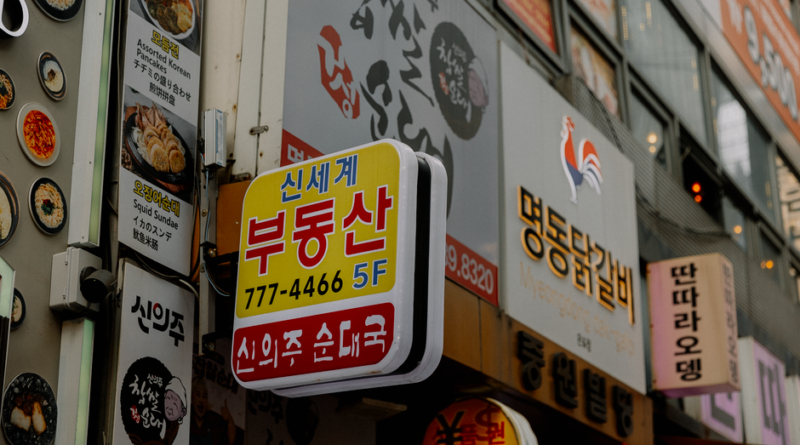
Seoul Dining Guide: Essential Local Food and Etiquette Tips
Moving to Seoul for a semester offers a unique opportunity to immerse yourself in one of the world‘s most vibrant culinary landscapes. To eat like a local, look beyond tourist staples and embrace Seoul dining culture through daily essentials like Gukbap (hearty soup with rice) and Banchan-heavy meals. Mastering local etiquette, such as waiting for the eldest to begin eating and using proper utensil placement, will ensure you navigate small, hole-in-the-wall eateries with the ease of a seasoned resident.
Key Takeaways
- Prioritize daily staples like Gukbap or Baekban over tourist-heavy menus for an authentic experience.
- Respect hierarchy: always wait for the eldest at your table to lift their spoon or chopsticks first.
- Digital tools like Naver Map or CatchTable are essential for finding local gems and navigating public transit.
- Embrace the ‘hole-in-the-wall’ culture by being prepared to pay at the counter and using non-verbal cues.
- The culinary scene is evolving; global fusion concepts like the Songfa Bak Kut Teh launch at Samsung Welstory demonstrate the city’s diverse and growing palate.
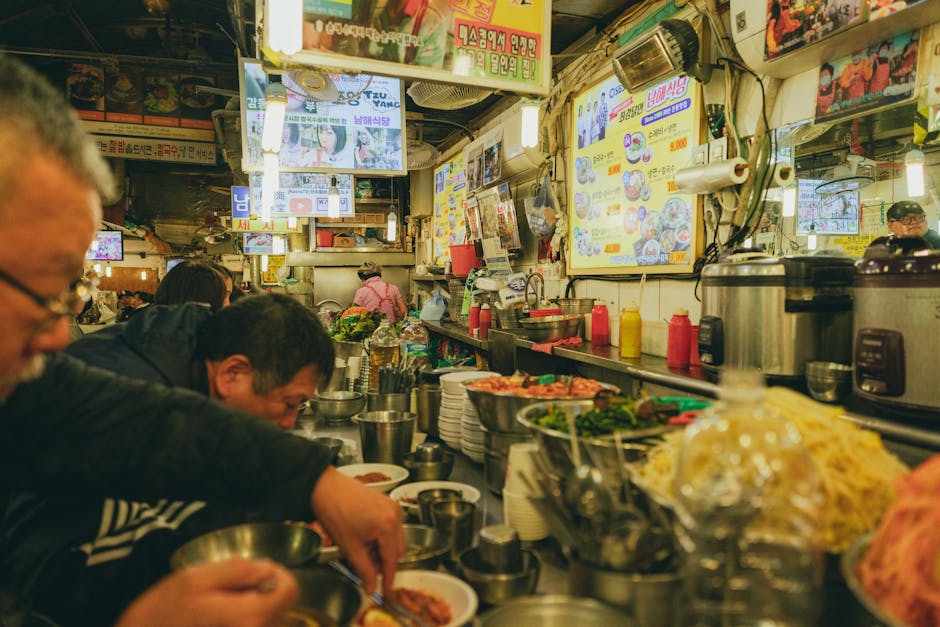
While K-BBQ and Tteokbokki define international perceptions, local daily consumption in Seoul is far more diverse. Most Seoulites rely on ‘Baekban’ (a set meal with various side dishes) or ‘Gukbap’ (a robust soup dish served with rice). These meals are affordable, nutritious, and reflect the true heart of Korean food culture. If you find yourself in a small, traditional restaurant, don’t be intimidated by the limited menus; many specialize in only one or two dishes, which guarantees freshness and high quality.
Dining etiquette in Korea is rooted in Confucian values. While some younger Koreans are relaxing these standards, the rule regarding elders remains paramount. Always wait for the oldest person at the table to start their meal. Furthermore, when visiting smaller establishments, remember that ‘K-tips’ do not exist; however, kindness goes a long way. Many locals now use specialized applications to navigate the city. According to recent travel technology reports, utilizing apps like Naver Map is essential, as Google Maps often struggles with real-time transit and hidden restaurant locations in Korea.
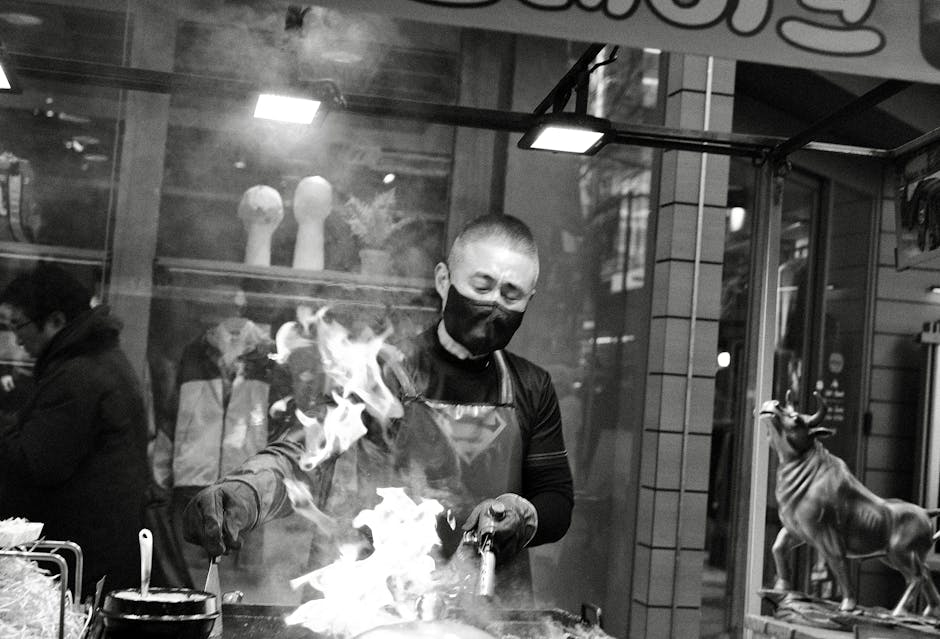
The Seoul food scene is also dynamic and open to global influence. Recent developments, such as the debut of Singaporean favorite Songfa Bak Kut Teh by Samsung Welstory, highlight how Korea is continuously integrating international flavors into its local dining ecosystem. This evolution makes Seoul a paradise for adventurous eaters who want to experience both deep-rooted traditions and the latest global trends.
Frequently Asked Questions
Is tipping expected in small restaurants?
No, tipping is not practiced in Korea. In fact, it may even confuse the staff. Simply pay the exact amount shown on your bill at the counter near the exit.
How do I call a waiter in a busy, small restaurant?
Instead of waving or snapping, it is perfectly acceptable to use the ‘call button’ found on many tables. If there is no button, a polite ‘Jeogiyo!’ (Excuse me) with a gentle wave is the standard way to get attention.
Are there any specific table manners I should avoid?
Avoid leaving your chopsticks sticking vertically into your rice bowl, as this resembles a death ritual. Additionally, try to keep your bowl on the table rather than lifting it to your mouth, which is considered improper in Korean dining etiquette.
Navigating the bustling dining scene of Seoul requires a blend of curiosity and respect. By observing the habits of locals and utilizing the right digital tools, you will transform your semester into a deep exploration of Korea’s rich and ever-changing gastronomic landscape.
To report grammatical errors, typos, or request factual corrections, please contact us at CHY011996@GMAIL.COM.
