
Jensen Huang Praises Korean Baseball’s Global Rise
\n\n
Nvidia CEO Jensen Huang recently captured the attention of both the technology and sports worlds by offering an enthusiastic thumbs-up to Korean baseball, highlighting the sport’s rapid ascent into the global cultural mainstream. The tech billionaire’s gesture, made during a high-profile media interaction, underscores the unique intersection of Silicon Valley leadership and South Korea’s vibrant sporting heritage at a time when the country’s technological and cultural exports are dominating global conversations.
Key Takeaways
- Nvidia CEO Jensen Huang publicly signaled his appreciation for South Korean baseball culture, emphasizing its infectious energy and growing international appeal.
- The KBO League’s unique fan culture, characterized by choreographed cheer songs and high-intensity stadium dynamics, is increasingly recognized as a premier cultural export.
- This cultural crossover occurs against the backdrop of deep technological alliances between Nvidia and South Korean semiconductor giants like SK Hynix and Samsung.
The convergence of high technology and sports diplomacy was on full display when Nvidia co-founder and CEO Jensen Huang publicly expressed his admiration for Korean baseball. During a recent press event, Huang’s symbolic gesture of approval sparked widespread discussion across social media platforms, drawing renewed international attention to the distinct and electric nature of the KBO League. This public display of appreciation is more than a casual sporting nod; it represents the deep cultural familiarity that global tech executives are developing as they collaborate closely with South Korean industries.
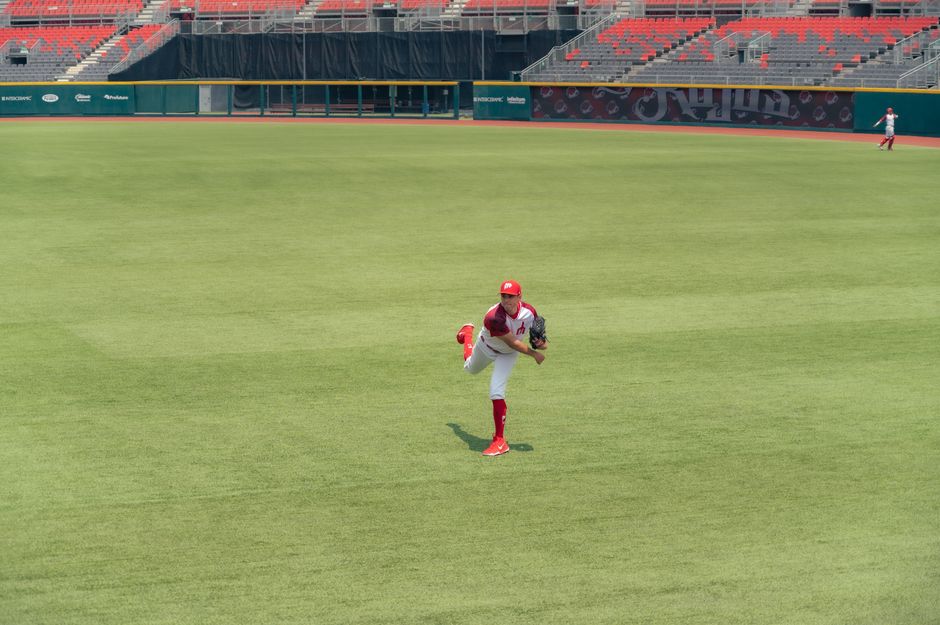
For those unfamiliar with the Korean baseball scene, the sport is far more than just an athletic competition. It is a full-scale cultural phenomenon that stands in stark contrast to the relatively conservative atmosphere found in Major League Baseball (MLB) stadiums in the United States. KBO games are defined by relentless, organized energy where every single player on the roster has a dedicated, personalized cheer song. These anthems are performed in unison by thousands of passionate fans, led by tireless professional cheerleading squads on elevated stages. The result is a concert-like atmosphere that keeps spectators engaged from the first pitch to the final out, regardless of the score.
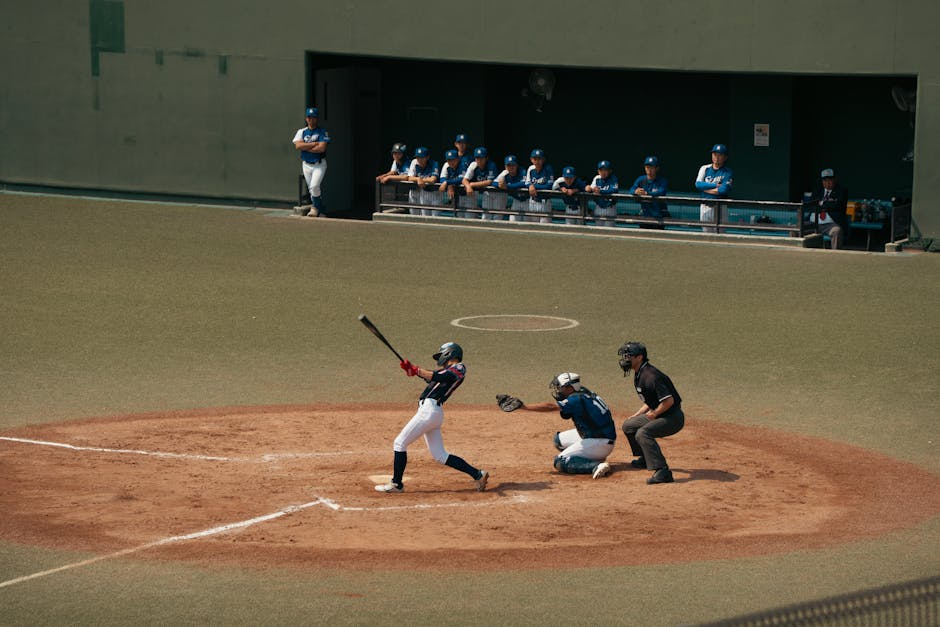
This highly organized yet incredibly spontaneous fan engagement has transformed KBO games into a must-see spectacle for international visitors and expatriates. The global sports community got a major taste of this unique culture during the historic MLB Seoul Series in early 2024, which featured international superstars and showcased Korea’s world-class sporting infrastructure. Official tourism portals like Korea.net have increasingly promoted KBO games as essential cultural experiences, successfully blending athletic excellence with world-class entertainment value.
Huang’s public nod to Korean baseball also reflects a deep-seated familiarity with South Korean culture that stems from crucial corporate partnerships. South Korea’s semiconductor industry serves as the backbone of Nvidia’s hardware revolution, particularly in the highly competitive realm of artificial intelligence. Tech giants Samsung Electronics and SK Hynix are the primary suppliers of High Bandwidth Memory (HBM) chips, which are absolutely vital for powering Nvidia’s market-dominating AI graphics processing units (GPUs). Through these intense corporate relationships, tech leaders like Huang have spent significant time engaging with Korean executives, engineers, and cultural nuances.
It is within this context of mutual respect and deep collaboration that Huang’s appreciation for Korean sports culture becomes even more meaningful. The gesture symbols the warm, personal relationships that underpin some of the most critical technological alliances of the modern era. As artificial intelligence continues to reshape the global economy, the human connections forged through shared cultural appreciation help solidify these international supply chains. For South Korea, having one of the world’s most influential technology leaders endorse its domestic sports culture is a massive victory for its national brand image.

The sporting world itself has undergone a dramatic transformation, with Korean players increasingly making their mark in the Major Leagues. Stars like Jung-hoo Lee of the San Francisco Giants and Ha-seong Kim of the San Diego Padres have brought the energetic, disciplined style of Korean baseball to American soil. This cross-pollination of talent has created a natural bridge of interest, prompting Western baseball fans to look back at the KBO League with newfound respect and curiosity, further amplifying the league’s global reach.
Furthermore, the KBO’s trademark ‘bat flip’—locally known as ‘Ppa-dun’—has become a viral sensation globally, representing a joyful expressiveness that was historically frowned upon in Western baseball. This blend of expressive joy, high-stakes competition, and unparalleled stadium food, such as ‘Chimaek’ (chicken and beer), has created a distinct brand identity. It is an identity that resonates with global leaders who appreciate high-octane performance, constant innovation, and passionate execution in all fields of human endeavor.
As the global technology sector continues to rely heavily on South Korean hardware innovation, the cultural exchange between Silicon Valley and Seoul is poised to deepen even further. Huang’s thumbs-up serves as a colorful, highly visible reminder that in today’s hyper-connected world, business, technology, and sports do not exist in isolated silos. Instead, they constantly influence and elevate one another, turning a regional sports league into a shared global language that unites industry titans, athletes, and fans across continents.
To report grammatical errors, typos, or request factual corrections, please contact us at CHY011996@GMAIL.COM.
Original source: [MD포토] 젠슨황, ‘한국 야구 엄지 척’ – 네이트
