
South Korea Faces Tug-of-War Over Urban Redevelopment Policy

\n\n
South Korea’s central government and local municipalities are locked in a deepening jurisdictional dispute over urban redevelopment policy, as Seoul moves to take direct control over the designation of 정비구역 (redevelopment zones). The central authorities argue that centralized oversight is essential to expedite stalled housing projects and stabilize volatile market prices, while municipal governments view the policy as an infringement on local autonomy and a disruption to tailored urban planning.
The tension intensified after the Ministry of Land, Infrastructure and Transport signaled its intent to streamline the approval process by bypassing certain local bureaucratic hurdles. For stakeholders, this shift represents a departure from traditional urban planning models that have long empowered city officials to tailor development to neighborhood needs. As the administration pushes to reach ambitious housing supply targets, the friction between national mandates and local governance remains a significant barrier to implementation.

Key Takeaways
- The central government aims to override municipal planning authority to accelerate housing supply in the face of rising inflation and urban scarcity.
- Local governments fear that centralized control will undermine the democratic process of urban planning, potentially leading to social friction with residents in affected districts.
- The struggle highlights a fundamental friction within the South Korean administrative system, where the push for national efficiency often clashes with decentralized governance goals.
The core of the disagreement lies in the legal authority to label specific neighborhoods as redevelopment zones. Historically, this has been a collaborative process involving city-level planners who understand the granular social and structural nuances of their districts. Critics of the new ministerial proposal suggest that a top-down approach could neglect the complex rights of current tenants and existing homeowners, sparking legal battles that could delay, rather than accelerate, construction timelines.
Market analysts are watching the situation closely, noting that investor sentiment is highly sensitive to policy consistency. Should the administrative gridlock persist, private developers may refrain from committing capital to new projects until the demarcation of authority is finalized. The uncertainty regarding whether local city halls or the national ministry holds the ultimate authority for zone designations creates an unpredictable environment for real estate stakeholders.
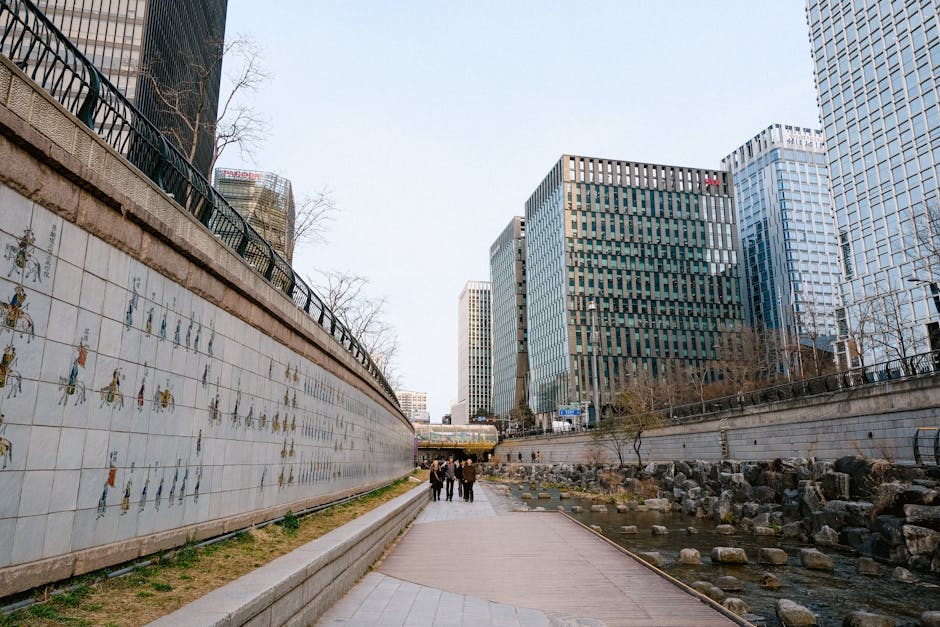
Political observers point to the upcoming election cycles as a complicating factor, with local leaders eager to protect their legislative autonomy to maintain favor with their constituent bases. Meanwhile, the central government is under immense pressure to deliver tangible results in its housing policy to mitigate public dissatisfaction with skyrocketing apartment costs. This zero-sum competition for administrative control underscores the limitations of the current legislative framework governing urban renewal.
To bridge the gap, legal experts suggest that the government must establish a more sophisticated consultative body that integrates local input while maintaining the efficiency of national standards. Without a consensus, the process of urban renewal risks becoming paralyzed by administrative litigation. As the nation grapples with aging infrastructure in dense metropolitan areas, the resolution of this conflict will likely dictate the trajectory of Korean urban development for the next decade.
To report grammatical errors, typos, or request factual corrections, please contact us at CHY011996@GMAIL.COM.
Original source: “정부가 정비구역 지정”…부동산정책 주도권 갈등 – 한국경제
