
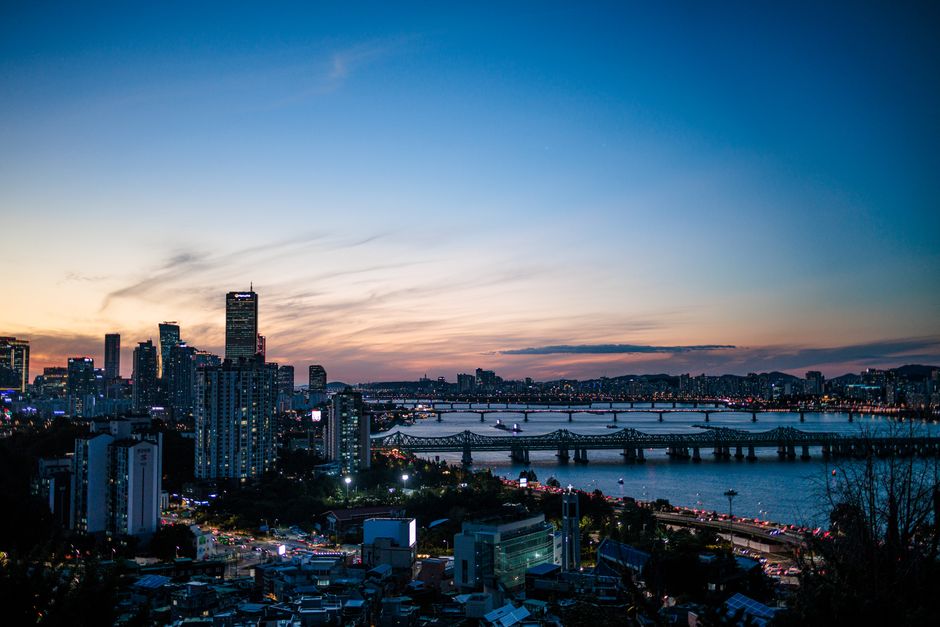
For first-time visitors wondering Where to Stay in Seoul First Time, Myeongdong offers unparalleled convenience, direct airport bus access (6001/6002 from Incheon Airport, around ₩17,000), and a high concentration of hotels starting from ₩80,000/night.
It provides excellent subway connectivity for major sights, making it a hassle-free base for exploring. Alternatively, Hongdae suits those seeking vibrant nightlife and budget-friendly hostels, accessible directly via the AREX train from Incheon Airport for ₩4,750 (standard fare).
Key Takeaways
- Myeongdong: Ideal for convenience, shopping, and central sightseeing with direct airport links. Expect mid-range to luxury hotels averaging ₩120,000-₩250,000 per night.
- Hongdae: Best for younger travelers, nightlife, indie culture, and budget-friendly stays, with hostels and guesthouses typically from ₩30,000-₩70,000.
- Seongsu-dong: Perfect for trendsetters and design enthusiasts seeking unique cafes, boutiques, and a modern, artsy vibe. Accommodation leans towards boutique hotels, often ₩120,000-₩300,000.
- Insadong: Offers a deep dive into traditional Korean culture, quiet hanok stays, and proximity to palaces. Hanok guesthouses range from ₩90,000-₩200,000.
Myeongdong: The Central Tourist Hub
Myeongdong is often the default choice for first-time visitors to Seoul, and for good reason. Located centrally, it’s a bustling district famous for shopping, especially cosmetics and fashion, and its vibrant street food scene.
The area is incredibly well-connected, sitting at the nexus of several subway lines (Lines 2, 3, and 4 are all easily accessible), making it a breeze to reach iconic landmarks like N Seoul Tower, Gyeongbokgung Palace, and Dongdaemun Design Plaza.
Vibe & Attractions
During the day, Myeongdong is a shopper’s paradise, with countless global and local brands. As evening falls, the streets transform into a lively night market, offering an endless array of Korean street food from tteokbokki (떡볶이) to gyeranppang (계란빵).
It’s also a short walk or subway ride to cultural sites like Namsan Hanok Village and the historic Namdaemun Market, Seoul’s oldest and largest traditional market.
Accommodation & Pricing
Myeongdong boasts a wide spectrum of accommodation, from luxury international hotels like Lotte Hotel Seoul and The Westin Josun Seoul to comfortable mid-range options and budget-friendly guesthouses.
You can find quality hotels starting around ₩80,000, with mid-range options typically between ₩120,000 and ₩250,000 per night. This variety ensures there’s something for every budget, though it tends to be pricier than areas like Hongdae.
Connectivity & Transport
One of Myeongdong’s greatest strengths is its transportation. It’s directly served by Myeongdong Station (Line 4) and Euljiro 1(il)-ga Station (Line 2), with City Hall Station (Lines 1 & 2) also nearby.
Airport Limousine Buses (6001, 6002) run frequently from Incheon International Airport (ICN) directly to major hotels in the area, offering a comfortable and direct transfer. Using a T-Money card or Wowpass for subway and bus travel is highly recommended for convenience.
Insider Tip
For a quieter, more local shopping experience, explore the side streets leading towards Euljiro, where you’ll find charming cafes and independent shops away from the main tourist thoroughfare. Be prepared for crowds, especially on weekends and evenings.
Hongdae: Youthful Energy & Indie Culture
Hongdae, short for Hongik University Street, is the epicenter of youth culture, art, and vibrant nightlife in Seoul. It’s a favorite among students, artists, and travelers looking for a lively, energetic atmosphere.
This neighborhood offers a stark contrast to Myeongdong’s commercial focus, providing a more bohemian and creative vibe with street art, live music, and quirky cafes at every turn.
Vibe & Attractions
Hongdae is synonymous with street performances, busking, and indie music clubs. The area around Hongik University is buzzing day and night with students, shoppers, and diners.
Key attractions include the Hongdae Free Market on weekends, unique themed cafes (like animal cafes), independent fashion boutiques, and countless restaurants serving everything from Korean BBQ to international cuisine. The adjacent Yeonnam-dong area offers a slightly more relaxed, upscale cafe culture.
Accommodation & Pricing
Accommodation in Hongdae is generally more budget-friendly than Myeongdong. You’ll find a plethora of stylish guesthouses, hostels, and boutique hotels catering to younger travelers and those on a tighter budget.
Hostels often start from ₩30,000, while guesthouses and mid-range hotels typically fall within the ₩50,000-₩150,000 range. Many offer communal spaces, perfect for meeting other travelers.
Connectivity & Transport
Hongdae is exceptionally well-connected, with Hongik University Station serving Subway Lines 2, Gyeongui-Jungang Line, and the Airport Railroad Express (AREX).
The direct AREX line from Incheon Airport is a huge advantage, making transfers quick and easy (approximately 50 minutes, ₩4,750 for standard train). This connectivity also makes it simple to reach other popular areas like Sinchon, Ewha Women’s University, and Gangnam.
Insider Tip
To truly experience Hongdae, ditch your itinerary and wander the side streets. Use Naver Map (네이버 지도) or KakaoMap (카카오맵) to discover hidden cafes, street art, and unique shops that aren’t on the main thoroughfares. Don’t miss the chance to catch a live street performance in the evening.
Seongsu-dong: Seoul’s Industrial-Chic Transformation
Seongsu-dong has rapidly transformed from an industrial district filled with shoe factories and warehouses into one of Seoul’s trendiest neighborhoods. It’s known for its ‘upcycled’ spaces, now housing chic cafes, art galleries, and designer showrooms.
This area appeals to travelers looking for a unique, local experience away from the traditional tourist crowds, offering a glimpse into Seoul’s evolving design and fashion scene.
Vibe & Attractions
Seongsu-dong exudes an industrial-chic aesthetic, blending old factory buildings with modern design. The Daelim Warehouse (대림창고) is a prime example, a former rice mill now a popular cafe and gallery.
Other attractions include Seoul Forest, a sprawling urban park perfect for relaxation, and countless independent boutiques showcasing local designers. It’s a haven for coffee connoisseurs and those interested in contemporary Korean culture.
Accommodation & Pricing
Accommodation options in Seongsu-dong are more limited and tend to be on the higher end, focusing on stylish boutique hotels and design-led guesthouses. Budget hostels are rare.
Prices for boutique stays typically range from ₩120,000 to ₩300,000 per night, reflecting the area’s upscale, trendy appeal. Booking in advance is advisable due to fewer options.
Connectivity & Transport
Seongsu-dong is primarily served by Seongsu Station (Line 2) and Ttukseom Station (Line 2).
Line 2 is one of Seoul’s most important subway lines, forming a circular route that connects many key districts, including Gangnam, Hongdae, and Euljiro. While not as directly connected to the airport as Myeongdong or Hongdae, transfers are straightforward using the efficient subway system.
Insider Tip
Visit Seongsu-dong on a weekday to avoid the weekend crowds, allowing for a more relaxed exploration of its cafes and galleries. Explore the ‘Cafe Street’ for unique coffee experiences and keep an eye out for pop-up shops and art installations.
Insadong: Traditional Charm & Cultural Immersion
Insadong offers a deep dive into traditional Korean culture, making it an excellent choice for those seeking a more serene and historically rich experience. It’s a pedestrian-friendly neighborhood known for its antique shops, art galleries, traditional tea houses, and craft stores.
Located near major palaces and cultural sites, Insadong provides a tranquil escape from the city’s modern hustle while keeping you connected to Seoul’s heritage.
Vibe & Attractions
The main street of Insadong (인사동 길) is lined with shops selling traditional Korean goods, from hanbok (한복) to ceramics and calligraphy. Ssamziegil (쌈지길) is a unique shopping complex featuring a spiraling walkway lined with artisan boutiques and craft shops.
The area is also home to numerous traditional tea houses (찻집, chatjip) where you can experience Korean tea ceremonies and art galleries showcasing local talent. It’s within walking distance of Gyeongbokgung Palace, Changdeokgung Palace, and Bukchon Hanok Village.
Accommodation & Pricing
Accommodation in Insadong often includes charming hanok (한옥) guesthouses, traditional Korean houses that offer a unique cultural experience. These range from rustic to luxuriously renovated, providing an authentic stay.
Hanok stays can range from ₩90,000 to ₩200,000 per night, with some larger boutique hotels also available. It’s generally a quieter area in the evenings compared to Myeongdong or Hongdae.
Connectivity & Transport
Insadong is well-served by several subway stations, including Anguk Station (Line 3), Jonggak Station (Line 1), and Jongno 3(sam)-ga Station (Lines 1, 3, 5).
This excellent subway access makes it easy to navigate to other parts of Seoul. While there isn’t a direct airport bus stop within Insadong itself, nearby stops in Jongno or Myeongdong are easily reachable by a short taxi ride or subway transfer.
Insider Tip
Spend an afternoon exploring the hidden alleyways off the main Insadong street to discover authentic tea houses and local eateries. Consider trying a traditional Korean royal cuisine restaurant for a unique dining experience. Don’t forget to practice basic Korean phrases like ‘안녕하세요’ (Annyeonghaseyo – Hello) and ‘감사합니다’ (Gamsahamnida – Thank you) when interacting with locals.
| Neighborhood | Best For | Vibe | Typical Accommodation & Price (KRW) | Key Attractions | Subway Lines |
|---|---|---|---|---|---|
| Myeongdong | First-timers, shopping, central convenience | Bustling, commercial, tourist-heavy | Hotels (₩80,000-₩250,000+) | Street food, N Seoul Tower, Namdaemun Market | 2, 3, 4 |
| Hongdae | Youth, nightlife, indie culture, budget travelers | Energetic, artistic, bohemian | Hostels/Guesthouses (₩30,000-₩150,000) | Street performances, themed cafes, clubs | 2, AREX, Gyeongui-Jungang |
| Seongsu-dong | Trendsetters, design lovers, unique cafes | Industrial-chic, modern, artsy | Boutique Hotels (₩120,000-₩300,000+) | Daelim Warehouse, Seoul Forest, designer shops | 2 |
| Insadong | Cultural immersion, traditional experience | Traditional, serene, historic | Hanok Guesthouses (₩90,000-₩200,000) | Ssamziegil, traditional tea houses, palaces | 1, 3, 5 |
Frequently Asked Questions
Is it better to stay in Gangnam or Myeongdong for a first-timer?
For a first-timer, Myeongdong is generally better due to its central location, direct airport access, and proximity to many historical sites and traditional markets. Gangnam is excellent for luxury shopping, upscale dining, and nightlife, but its attractions are more spread out and cater to a different experience.
What is the cheapest area to stay in Seoul?
Hongdae and the surrounding areas like Sinchon or Ewha Women’s University offer some of the most budget-friendly accommodation options, with numerous hostels and guesthouses. Dongdaemun also provides competitive prices, especially for those interested in wholesale fashion markets.
How do I get around Seoul from these neighborhoods?
Seoul boasts an incredibly efficient and extensive subway system, which is the best way to get around. All four neighborhoods are directly connected to major subway lines. Utilizing a T-Money card or a Wowpass for public transport will make your travels seamless.
Which neighborhood is best for nightlife?
Hongdae is undoubtedly the best neighborhood for nightlife, offering a lively scene with numerous clubs, bars, and live music venues catering to a younger crowd. Itaewon is another excellent option for diverse international bars and clubs, while Gangnam provides more upscale and trendy nightlife experiences.
To report grammatical errors, typos, or request factual corrections, please contact us at [email protected].