
Understanding Seoul Living Costs for students versus expats reveals distinct financial landscapes, primarily driven by income potential, housing choices, and lifestyle expectations. While students often leverage specialized discounts, shared accommodations, and part-time work, expats typically face higher housing deposits and daily expenses but benefit from more substantial salaries and comprehensive national health insurance.
Key Takeaways
- Housing represents the most significant cost differentiator, with students gravitating towards dorms or goshiwons and expats often needing substantial “key money” for apartments or officetels.
- Students benefit from favorable exchange rates for remittances and increased opportunities for well-paid part-time work, making a budget-conscious lifestyle more feasible.
- Expats generally command higher incomes, which supports a more comfortable lifestyle but also comes with elevated expectations for dining, social activities, and potentially higher taxes.
- Both groups can access robust healthcare through the National Health Insurance Service (NHIS), though the enrollment and contribution methods differ.
- Strategic budgeting and leveraging local resources are crucial for both students aiming for comfort and expats seeking net savings amidst higher expenditures.
Detailed Explanation: Unpacking Seoul’s Cost of Living
Moving to Seoul presents a complex financial equation for prospective residents, whether arriving as a student or a working expat. The Reddit user’s query highlights a common struggle: deciphering the true cost differences beyond general city averages. This deep dive, informed by local insights and recent news, clarifies the financial realities for both demographics.
The Student’s Financial Journey: Budgeting for Education and Life
For international students, Seoul offers a vibrant academic environment that can be navigated on a reasonable budget with careful planning. Housing is often the first consideration, with university dormitories providing the most affordable and convenient option, typically ranging from 200,000 to 400,000 KRW per month. Alternatives include goshiwons (small, furnished rooms, 300,000-600,000 KRW) and one-room apartments (400,000-800,000 KRW), which may require a small deposit but rarely the substantial “key money” associated with expat housing.
Food costs for students can be significantly mitigated by utilizing university cafeterias, which offer meals for as little as 3,000-6,000 KRW. Cooking at home from groceries purchased at local markets or discount supermarkets (like E-Mart Traders or Lotte Mart) further reduces expenses. Student discounts are prevalent across various services, from public transportation to cultural attractions, providing additional savings.
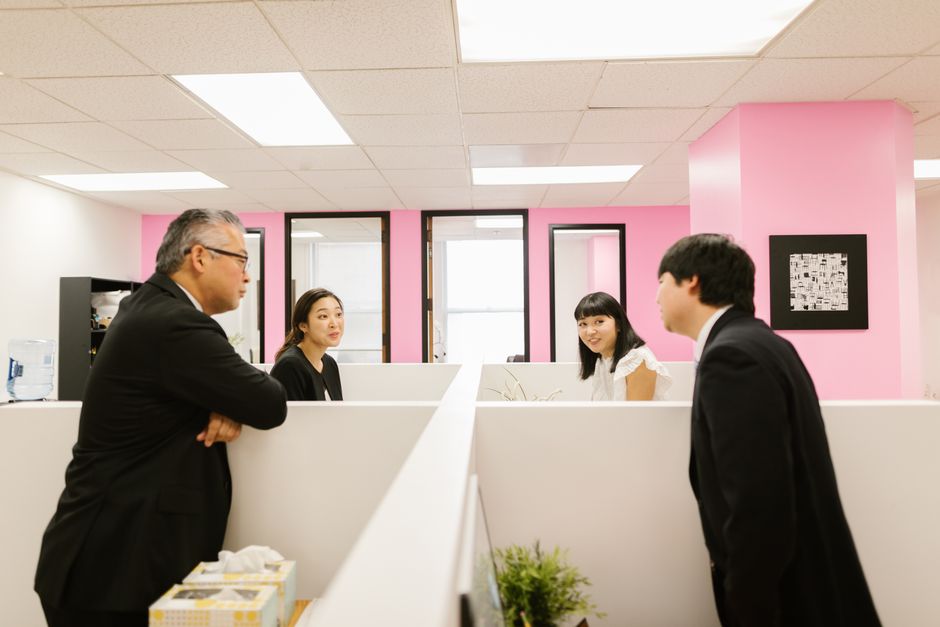
A significant factor influencing student budgets is the availability and compensation of part-time work. Recent reports indicate that foreign students are finding ample opportunities for well-paying part-time jobs in Seoul’s urban centers. According to a Chosun Ilbo article, hourly wages can reach 15,000 KRW, making it challenging for employers to find Korean workers at that rate. This trend offers students a viable path to supplement their living expenses and reduce reliance on external funds, addressing concerns about “limited part-time work.”
Furthermore, for students receiving financial support from home, the current economic climate offers an advantage. A Maeil Business Newspaper report highlighted declining exchange rates and reduced transfer fees, making it more cost-effective for families to send living expenses to their children studying abroad. This financial relief can significantly contribute to a student’s ability to live comfortably without constant penny-pinching, as explored in a Brunch article questioning if studying abroad is only for the wealthy.
Healthcare for students is initially often covered by mandatory private student insurance plans. However, after six months of residency, foreign students become eligible and are required to enroll in the National Health Insurance Service (NHIS), which provides comprehensive coverage at a relatively affordable monthly premium (around 60,000-80,000 KRW, subject to change).
The Expat’s Financial Landscape: Higher Income, Higher Expectations
Expats moving to Seoul for work typically encounter a different financial reality. While salaries are generally higher than student incomes, so are living expenses and expectations for lifestyle. Housing is the primary cost driver. Expats often seek officetels or apartments, which typically require a substantial “key money” deposit (jeonse or wolse deposit) ranging from 5 million to 50 million KRW or more, in addition to monthly rent (wolse) of 800,000 to 1,500,000+ KRW. This initial key money can be a significant barrier for new arrivals without substantial savings or employer assistance.

Dining out and social spending are also considerably higher for expats. While students might frequent budget-friendly eateries, expats often enjoy a broader range of restaurants, cafes, and bars, leading to food budgets of 500,000-800,000 KRW or more per month. Social activities, including international meetups, weekend trips, and cultural events, also contribute significantly to the monthly outlay, often ranging from 300,000 to 800,000+ KRW.
Expats on work visas are automatically enrolled in the NHIS, with contributions typically split between the employee and employer. This provides excellent healthcare coverage, comparable to what Korean citizens receive, and is generally superior to basic student insurance plans. While the employee portion of the premium is deducted from their salary, the comprehensive benefits offer peace of mind.
Despite higher expenses, the net saving potential for expats can be better due to higher incomes. However, this largely depends on individual spending habits and the ability to resist lifestyle inflation. An expat earning 3.5 million KRW net per month, for example, could comfortably save 1 million KRW or more by being mindful of their spending, especially on housing and dining.
Key Differences in Cost Breakdown
To illustrate the divergence in spending, consider the following approximate monthly budget comparison:
| Category | Student Budget (KRW) | Expat Budget (KRW) |
|---|---|---|
| Housing (Rent/Goshiwon) | 300,000 – 600,000 | 800,000 – 1,500,000+ (plus key money) |
| Food & Groceries | 300,000 – 500,000 | 500,000 – 800,000 |
| Utilities (Electricity, Gas, Internet) | 50,000 – 100,000 | 100,000 – 200,000 |
| Transportation | 50,000 – 70,000 | 50,000 – 100,000 |
| Health Insurance | ~60,000 (NHIS after 6 months) | ~100,000+ (NHIS, employer contribution) |
| Social & Miscellaneous | 100,000 – 300,000 | 300,000 – 800,000+ |
| Total Monthly Estimate | 860,000 – 1,630,000 | 1,850,000 – 4,200,000+ |
It is important to note that these figures are estimates and can vary widely based on individual choices, location within Seoul, and specific employment packages for expats.
Hidden Costs and Unexpected Savings
For both groups, initial setup costs can be a hidden expense. This includes visa application fees, flight tickets, initial deposits, and purchasing household items like bedding or kitchenware. For expats, the key money for apartments is a significant upfront cost, effectively a large, interest-free loan to the landlord, which is returned upon moving out. While this isn’t a monthly expense, it requires substantial initial capital.
Unexpected savings opportunities often arise from Seoul’s efficient public transportation system, which can significantly reduce the need for taxis. Learning to cook Korean dishes at home using local ingredients is far cheaper than Western-style cooking or frequent dining out. Additionally, leveraging free cultural events, public parks, and hiking trails provides entertainment without breaking the bank.
Frequently Asked Questions
Is Key Money a major barrier for new expats in Seoul?
Yes, key money (jeonse or wolse deposit) can be a significant barrier for new expats. While it is returned at the end of the lease, the upfront sum can range from several million to tens of millions of Korean Won, requiring substantial savings or employer assistance to secure desirable housing. Alternatives like monthly-rent-only options with smaller deposits or serviced apartments exist but often come at a higher monthly cost.
Can students truly live comfortably in Seoul without constantly penny-pinching?
Living comfortably as a student in Seoul without constant penny-pinching is achievable, especially with strategic budgeting, leveraging student discounts, and taking advantage of the growing opportunities for well-paid part-time work. Recent favorable exchange rates for remittances also help. While luxury is out of reach, a balanced lifestyle with occasional dining out and social activities is possible with careful financial management and supplemental income.
How does healthcare coverage compare for both students and expats in Seoul?
Both students and expats in Seoul eventually gain access to the robust National Health Insurance Service (NHIS). Foreign students are typically required to enroll after six months of residency, paying a monthly premium. Expats on work visas are usually enrolled immediately, with premiums often shared between the employee and employer. NHIS offers comprehensive coverage for most medical services, significantly superior to basic private student insurance and providing excellent value for money.
Conclusion
Deciphering Seoul Living Costs requires understanding the distinct paths of students and expats. While students can thrive on a budget with strategic choices and growing work opportunities, expats, despite higher incomes, face greater initial housing costs and lifestyle expectations. Careful planning remains paramount for both to maximize savings and enjoy Seoul’s vibrant offerings.
To report grammatical errors, typos, or request factual corrections, please contact us at [email protected].