U.S. Hedge Funds Brace for KOSPI Downturn
\n\n
Leading U.S. hedge funds are strategically positioning themselves to capitalize on a potential KOSPI downturn, signaling growing anticipation of volatility within South Korea’s benchmark stock index. These sophisticated investors are reportedly increasing their short positions and utilizing complex derivatives, reflecting a cautious outlook on the nation’s economic landscape amid global uncertainties and domestic market pressures. This tactical shift suggests a broader expectation of headwinds for the KOSPI in the coming months.
Key Takeaways
- This proactive positioning by foreign institutional investors could foreshadow a period of heightened volatility and potential downward pressure on the KOSPI, influencing individual and institutional investment strategies in South Korea.
- The move highlights a growing global sentiment of caution regarding the South Korean market, potentially driven by a confluence of macroeconomic factors, geopolitical tensions, and domestic economic indicators.
- Such significant hedging activities by powerful U.S. funds often precede broader market shifts, urging closer scrutiny of South Korea’s economic resilience and the responsiveness of its financial regulators.
The strategic maneuvers by prominent U.S. hedge funds indicate a collective assessment that South Korea’s KOSPI index may be vulnerable to a significant correction. This isn’t merely speculative trading; it reflects a deep dive into macroeconomic indicators, geopolitical risks, and the underlying health of South Korean corporations.
These funds typically employ a range of sophisticated instruments to bet against a market. Short selling involves borrowing shares and selling them, with the expectation of repurchasing them later at a lower price to profit from the difference. Additionally, they might use put options, which give the holder the right to sell an asset at a specified price by a certain date, or engage in complex futures contracts designed to benefit from declining asset values.
A primary driver for this cautious sentiment stems from the global economic outlook. Persistent inflation across major economies, coupled with aggressive interest rate hikes by central banks like the U.S. Federal Reserve, raises the specter of a global recession. South Korea, as an export-driven economy, is particularly susceptible to downturns in global demand.
China’s economic performance plays an outsized role in South Korea’s prosperity. Concerns over China’s decelerating growth, particularly its struggling property sector and subdued consumer spending, directly impact South Korean exports, especially in key sectors like semiconductors, petrochemicals, and automotive components. Any significant slowdown in China ripples quickly through East Asian supply chains.
Domestically, South Korea faces its own set of challenges. High levels of household debt remain a persistent concern, potentially curtailing domestic consumption if interest rates continue to rise. A cooling real estate market, after years of rapid appreciation, adds another layer of financial vulnerability for many households.
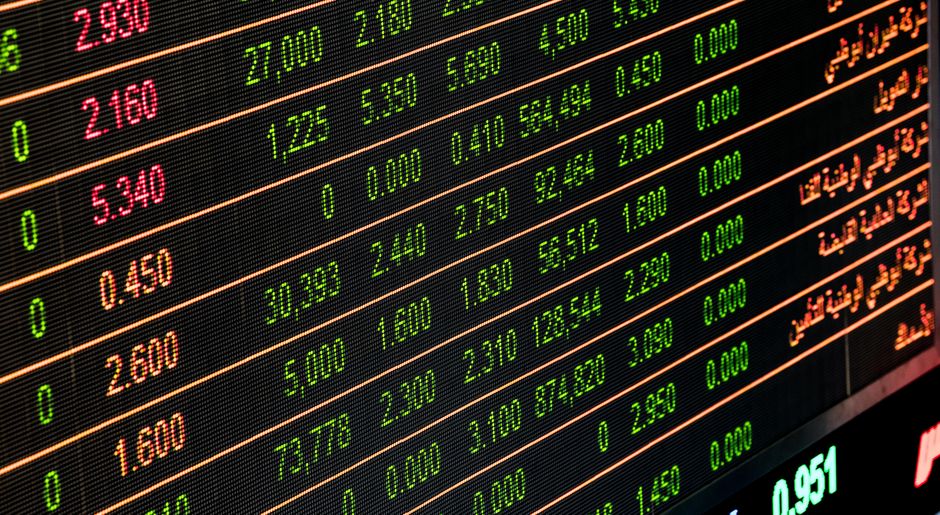
Corporate earnings expectations for major South Korean firms are also under scrutiny. While bellwether companies like Samsung Electronics and SK Hynix often lead the market, their performance is closely tied to the global technology cycle, which is currently facing headwinds. A decline in demand for memory chips, for instance, can significantly depress the KOSPI.
Historically, foreign capital flows have had a profound impact on the KOSPI. Periods of significant foreign investor withdrawal, as seen during the 1997 Asian Financial Crisis or the 2008 Global Financial Crisis, have led to sharp market contractions. While South Korea’s economy is far more resilient now, it remains sensitive to large-scale capital movements.
The KOSPI, short for Korea Composite Stock Price Index, is the benchmark index of the Korea Exchange, representing the performance of over 700 companies. Its composition is heavily weighted towards a few large conglomerates, meaning the fortunes of a handful of companies can disproportionately influence the entire index. More information about its structure can be found on the KOSPI index Wikipedia page.
South Korea’s economy, while highly developed and innovative, remains an open economy, making it inherently susceptible to external shocks. Its strength lies in advanced manufacturing, technology, and a robust export sector, but these very strengths expose it to global trade fluctuations and geopolitical tensions, particularly those involving major trading partners.
Financial regulators and the Bank of Korea are undoubtedly monitoring these trends closely. Potential responses could include market stabilization measures, adjustments to monetary policy, or increased vigilance over foreign exchange markets. However, their scope for intervention is often limited by global economic forces.
The implications for retail investors, often dubbed ‘Donghak Ants’ for their collective market influence, could be substantial. Many individual investors entered the market during recent bull runs, potentially with limited experience in navigating prolonged downturns. A significant correction could test their resilience and investment strategies.

Certain sectors are more vulnerable to an anticipated downturn. Cyclical industries such as semiconductors, chemicals, and shipping, which are highly sensitive to economic cycles, typically bear the brunt of a slowdown. Conversely, defensive sectors like utilities, telecommunications, and some consumer staples might show greater resilience, though few sectors are entirely immune.
The actions of these U.S. hedge funds, while significant, do not guarantee a KOSPI downturn. They represent a calculated bet based on their analysis of market conditions and future economic trends. However, their collective positioning often serves as a powerful indicator of shifting sentiment among institutional investors globally.
This strategic hedging also highlights the interconnectedness of global financial markets. What happens in Seoul is not isolated; it reflects broader anxieties about economic stability in Asia and beyond. Understanding South Korea’s economic overview provides crucial context for these market movements.
The long-term outlook for South Korea remains robust due to its strong innovation ecosystem and highly skilled workforce. However, the short-to-medium term appears fraught with challenges, as indicated by the proactive measures taken by some of the world‘s most sophisticated financial players.
Investors, both domestic and international, will be closely watching for economic data releases, corporate earnings reports, and central bank statements from both South Korea and its major trading partners. These will provide further clarity on whether the anticipated KOSPI downturn materializes, and to what extent.
To report grammatical errors, typos, or request factual corrections, please contact us at CHY011996@GMAIL.COM.
Original source: 코스피 지수 하락 대비하는 美 헤지펀드들 – 한국경제
