
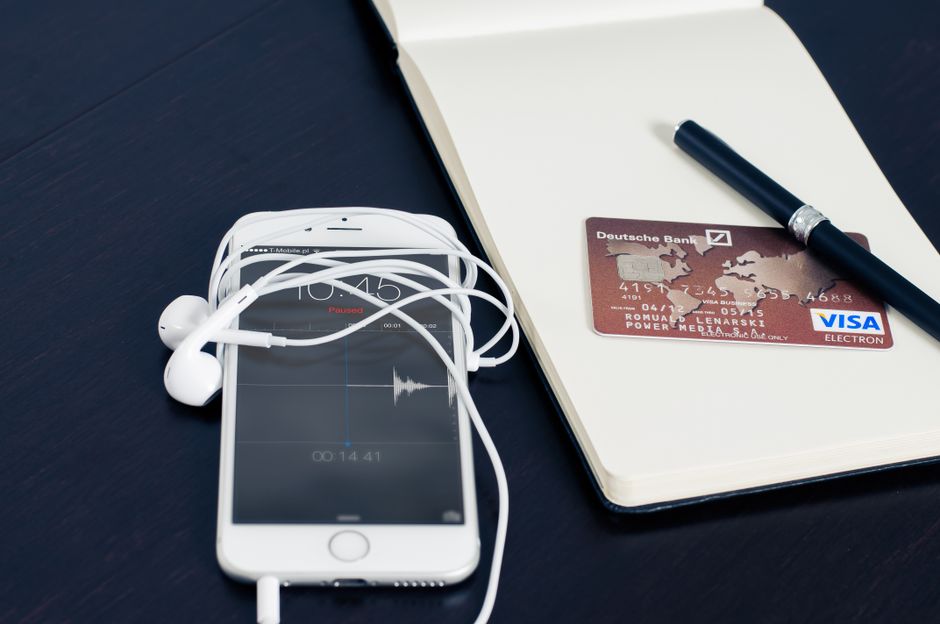
South Korea’s **Digital Nomad Visa (F-1-D)**, officially a Workation visa, requires applicants to demonstrate an annual income of at least ₩100,000,000 (approximately US$75,000) and hold health insurance with a minimum coverage of ₩100,000,000 for medical treatment and repatriation. Applications are processed at Korean embassies or consulates abroad, not within Korea, typically taking 2-4 weeks with a visa fee around US$45 (₩60,000).
Prospective digital nomads must also provide a clean criminal record, proof of employment or self-employment for an overseas company, and a valid passport. This one-year visa, extendable for an additional year, allows remote work for foreign entities while experiencing life in Korea.
Key Takeaways
- Income Threshold: A minimum annual income of ₩100,000,000 (approx. US$75,000) is strictly required, verifiable through tax records or bank statements.
- Mandatory Health Insurance: Secure health insurance with at least ₩100,000,000 coverage for medical treatment and emergency repatriation before applying.
- Application Location: All F-1-D visa applications must be submitted at a South Korean embassy or consulate in your home country or country of legal residence.
- No Local Employment: The F-1-D visa strictly prohibits working for any South Korean company or entity; all income must be derived from overseas sources.
Understanding the South Korea Digital Nomad (F-1-D) Visa
South Korea officially launched its Digital Nomad (Workation) F-1-D visa in January 2024, aiming to attract skilled remote workers and inject vitality into its economy. This visa is designed for individuals who earn income from overseas companies or clients and wish to reside in Korea for an extended period without engaging in local employment.
The F-1-D visa offers a unique opportunity to immerse yourself in Korean culture, from the bustling streets of Seoul to the serene landscapes of Jeju Island, while maintaining your international career. It’s a significant step for Korea in embracing the global remote work trend.
Eligibility Criteria and Core Requirements
To qualify for the F-1-D visa, applicants must meet several key criteria set by the Korean Ministry of Justice. These requirements ensure that digital nomads are financially self-sufficient and pose no burden on the local economy or healthcare system.
The primary applicant must be at least 18 years old and possess a valid passport with at least six months of validity remaining. Dependents, such as spouses and minor children, can be included in the application.
Income Proof: Demonstrating Financial Stability
The most critical financial requirement is an annual income of at least ₩100,000,000. This figure is approximately US$75,000, though the exact exchange rate fluctuates.
Applicants must provide concrete evidence of this income from the previous year. Acceptable forms of proof typically include official tax returns, bank statements showing consistent income deposits, and employment contracts or client invoices demonstrating ongoing work with foreign entities.
For self-employed individuals or freelancers, a portfolio of work, client testimonials, and detailed financial records are essential. It’s crucial that all income sources are clearly from outside South Korea.
Health Insurance: Essential Coverage
A mandatory requirement is comprehensive health insurance covering medical treatment and emergency repatriation with a minimum coverage of ₩100,000,000. This ensures that any unforeseen medical expenses will not become a burden on the Korean healthcare system or the individual.
When selecting an insurance plan, verify that it explicitly covers international travel, includes emergency medical evacuation, and meets the specified coverage amount in KRW. Many international insurance providers offer plans tailored for digital nomads that satisfy these conditions.
Be prepared to provide proof of this insurance policy, including its terms and conditions, at the time of application. Without adequate insurance, your visa application will be rejected.
Clean Criminal Record: A Must-Have
All applicants aged 14 and over must submit a clean criminal record certificate from their country of nationality and any country where they have resided for more than six months in the past five years. This document must be apostilled or legalized by the Korean embassy/consulate.
The certificate must be recent, typically issued within the last three to six months prior to the visa application. Ensure you start this process early, as obtaining these documents can sometimes take considerable time depending on your country of origin.
The Application Process: Step-by-Step Guide
Applying for the F-1-D visa is a structured process that requires careful attention to detail. It is crucial to gather all necessary documents before visiting the embassy or consulate.
Start by checking the specific requirements of the Korean embassy or consulate in your jurisdiction, as there can be minor regional variations in required supporting documents or appointment procedures.
-
Gather Documents: Collect your passport, visa application form, passport-sized photo (3.5cm x 4.5cm), proof of income (bank statements, tax returns, employment contracts), health insurance policy, clean criminal record certificate (apostilled/legalized), and proof of employment with an overseas company.
-
Book an Appointment: Most embassies require an appointment for visa applications. Check their website for booking procedures and available slots. Waiting times can vary, so plan ahead.
-
Submit Application: Attend your appointment with all original documents and photocopies. Be prepared for an interview where you may be asked about your work, income, and plans in Korea.
-
Pay Visa Fee: The visa fee is approximately US$45 (₩60,000), payable in local currency or USD, depending on the embassy’s policy. Confirm the exact fee and accepted payment methods beforehand.
-
Await Processing: Visa processing typically takes 2-4 weeks, though it can be longer during peak seasons. You will be notified once a decision has been made.
-
Collect Visa: Once approved, you can collect your passport with the F-1-D visa affixed. Double-check all details on the visa for accuracy.
| Document Type | Description | Notes |
|---|---|---|
| Visa Application Form | Duly completed and signed form. | Download from embassy website. |
| Passport & Photo | Original passport (6+ months validity) and one passport-sized photo (3.5×4.5cm). | Photo must be recent, white background. |
| Proof of Income | Tax returns, bank statements (past year), employment contracts showing ₩100,000,000+ annual income. | Must clearly show income from *overseas* sources. |
| Health Insurance | Policy details showing ₩100,000,000+ coverage for medical treatment and repatriation. | Policy period must cover your intended stay. |
| Criminal Record Check | Certificate from home country (and others if applicable), apostilled/legalized. | Issued within 3-6 months. |
| Proof of Employment | Letter from employer or business registration for self-employed, confirming remote work. | Must state that work is for an *overseas* entity. |
Living and Working Remotely in South Korea
Once your F-1-D visa is approved, you’re ready to embark on your Korean adventure. Navigating daily life in South Korea is relatively straightforward, especially with the help of efficient public services and modern infrastructure.
From finding accommodation to managing your finances and staying connected, Korea offers a seamless experience for international residents.
Accommodation: Finding Your Home in Korea
Securing suitable accommodation is often the first priority upon arrival. Major cities like Seoul, Busan, and Incheon offer a variety of housing options, from studio apartments (officetels) to larger family homes.
Popular online platforms for finding housing include 직방 (Jikbang) and 다방 (Dabang), though these are primarily in Korean. For English speakers, real estate agents specializing in expat services are highly recommended. Be aware of the unique Korean housing system, which often involves significant upfront deposits.
Understanding the difference between Jeonse vs Wolse is crucial for managing housing costs effectively. Many digital nomads start with short-term rentals or guesthouses before committing to a longer lease.
Banking and Finances: Managing Your Money
Upon arrival, it’s advisable to open a local bank account for easier management of daily expenses. Major banks like Woori Bank (우리은행), Kookmin Bank (국민은행), and Shinhan Bank (신한은행) offer services for foreigners, often with English-speaking staff.
You will typically need your passport, Alien Registration Card (ARC – applied for after arrival at HiKorea), and proof of address. Consider using multi-currency accounts or services like Wise (formerly TransferWise) for international transfers to minimize fees when converting your overseas income to KRW.
For quick payments, the Wowpass card is a convenient option for tourists and short-term residents, functioning as a prepaid debit card and T-Money transport card. However, for long-term residents, a local bank account and debit card are more practical.
Transportation and Connectivity: Getting Around and Staying Online
South Korea boasts an incredibly efficient public transportation system. In Seoul, the subway is extensive and easy to use, with English signage and announcements. A T-Money card (티머니) is essential for seamless travel on buses and subways nationwide, available at convenience stores like GS25 or 7-Eleven.
For those residing in Seoul, consider the Climate Card (기후동행카드), a monthly pass offering unlimited rides on subways and buses within the city for ₩65,000. Navigation apps like Naver Map (네이버 지도) and KakaoMap (카카오맵) are indispensable for real-time public transport information and directions.
For telecommunications, major providers like KT, SK Telecom, and LG U+ offer various plans for mobile data and home internet. You can purchase a prepaid SIM card at Incheon International Airport (airport.kr) or a local convenience store upon arrival, then upgrade to a monthly plan once you have your ARC.
Daily Life and Emergency Services
For daily necessities, large supermarkets like E-Mart or Lotte Mart are prevalent, alongside local markets. For health and beauty products, Olive Young (올리브영) is a ubiquitous chain. Learning a few basic Korean phrases like “Annyeonghaseyo” (안녕하세요 – hello) and “Gamsahamnida” (감사합니다 – thank you) will greatly enhance your daily interactions.
In case of emergencies, dial 119 for medical and fire services, and 112 for police. For general travel inquiries or assistance, the 1330 Korea Travel Helpline provides multilingual support 24/7.
Frequently Asked Questions
Can I work for a Korean company with a South Korea Digital Nomad (F-1-D) visa?
No, the F-1-D visa strictly prohibits working for any South Korean company or entity. All income derived by the visa holder must come from overseas sources, as the visa is specifically for remote work for foreign employers or clients.
What is the minimum income requirement for the F-1-D visa in Korean Won?
The minimum annual income requirement for the South Korea Digital Nomad (F-1-D) visa is ₩100,000,000. This amount must be proven through official documentation from the previous year, such as tax records or bank statements.
Is health insurance mandatory for the F-1-D visa, and what are the requirements?
Yes, health insurance is mandatory for the F-1-D visa. Applicants must secure a policy that provides at least ₩100,000,000 in coverage for both medical treatment and emergency repatriation, ensuring comprehensive protection during their stay.
Can I bring my family members, such as a spouse or children, on the F-1-D visa?
Yes, the F-1-D visa allows for dependents, including a spouse and minor children, to accompany the primary visa holder. They will need to apply for their own dependent visas, typically an F-1-D, and meet specific documentation requirements as outlined by the embassy.
To report grammatical errors, typos, or request factual corrections, please contact us at [email protected].