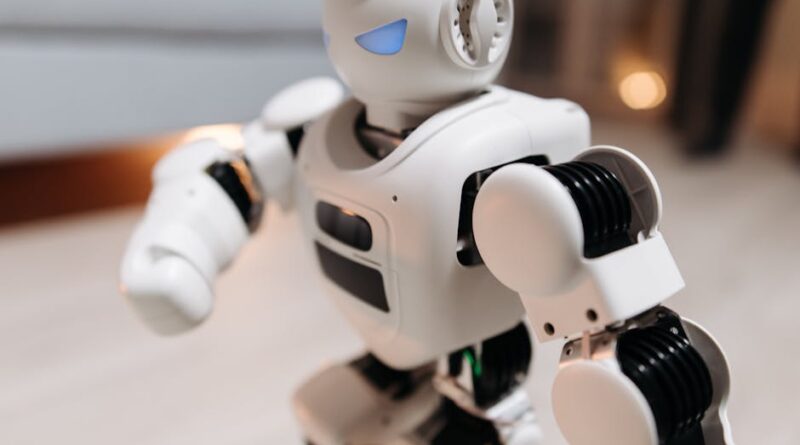
NVIDIA Broadens AI Strategy, Courts Korean Startups for Physical AI

\n\n
NVIDIA CEO Jensen Huang is aggressively expanding the company’s artificial intelligence footprint in South Korea, actively engaging local startups to propel the next phase of AI development. This strategic push moves beyond the established dominance in large language models (LLMs) to vigorously pursue advancements in NVIDIA AI Strategy for physical AI, marking a significant pivot towards intelligent systems capable of interacting with the real world.
Key Takeaways
- NVIDIA is strategically shifting its focus to physical AI, recognizing it as the next frontier beyond generative AI and large language models.
- South Korea is identified as a crucial market for this expansion, leveraging its advanced manufacturing, robotics infrastructure, and vibrant startup ecosystem.
- Engaging local AI startups is central to NVIDIA’s strategy, fostering innovation and broadening its comprehensive AI software and hardware platform.
Jensen Huang’s outreach to South Korean AI startups signals a clear intent to cement NVIDIA’s foundational role in the rapidly evolving landscape of artificial intelligence. While NVIDIA’s graphics processing units (GPUs) have been the backbone of generative AI and LLM development globally, the company now seeks to replicate this success in the realm of physical AI, where real-world interaction and decision-making are paramount.
Physical AI encompasses a broad spectrum of technologies, including robotics, autonomous vehicles, smart factory automation, and intelligent human-robot collaboration. Unlike LLMs, which primarily process and generate information in the digital domain, physical AI systems require robust hardware and sophisticated software to perceive, reason, and act within dynamic environments. This necessitates not only powerful processors but also advanced sensor integration, real-time data processing, and highly resilient control systems.
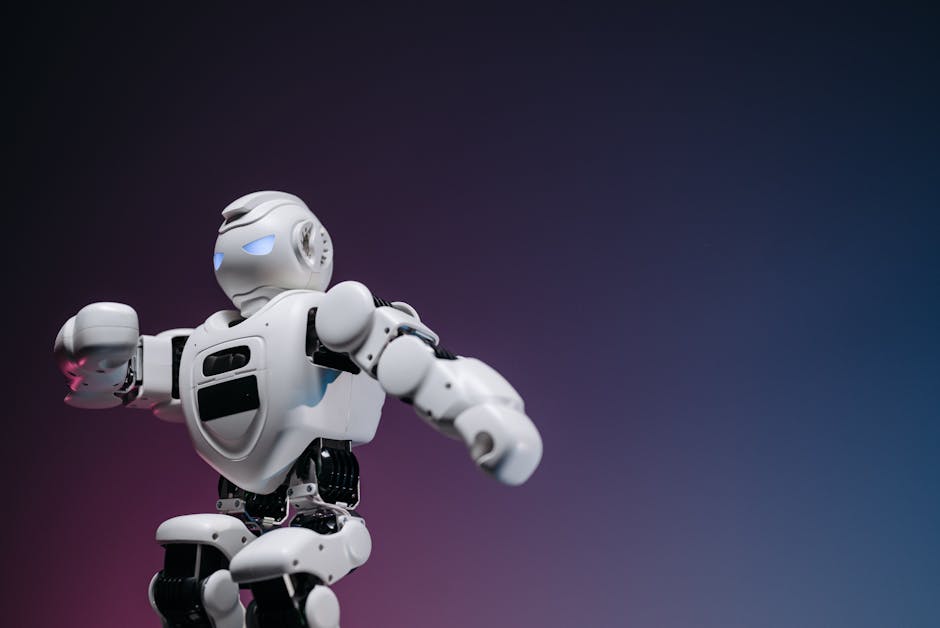
South Korea presents an ideal proving ground for this ambitious expansion. The nation boasts one of the world’s most technologically advanced manufacturing sectors, a high rate of industrial robot adoption, and a government keen on investing in future technologies like AI and autonomous systems. Its densely populated urban centers and innovative research institutions also offer unique opportunities for developing and testing cutting-edge physical AI applications, from smart city management to advanced healthcare robotics.
NVIDIA’s engagement with Korean startups is not merely about selling more chips. It is a calculated move to cultivate an entire ecosystem around its platforms, particularly CUDA for parallel computing and Omniverse for 3D simulation and design collaboration. By empowering local innovators with access to NVIDIA’s cutting-edge hardware and software tools, the company aims to accelerate the development of new applications and services that leverage physical AI, ensuring its technology remains central to future breakthroughs.
These partnerships enable NVIDIA to tap into South Korea’s rich pool of engineering talent and entrepreneurial spirit. Korean startups often demonstrate agility and a willingness to explore niche applications, providing NVIDIA with valuable insights into emerging market needs and technological challenges. This collaborative approach helps tailor NVIDIA’s offerings to diverse use cases, from precision agriculture robotics to sophisticated industrial inspection systems.
The pivot towards physical AI represents a natural progression for NVIDIA, building on its heritage in visual computing and simulation. Technologies like digital twins, powered by NVIDIA Omniverse, are becoming indispensable for designing, simulating, and operating complex physical AI systems before deployment. This virtual-first approach minimizes risks and costs, speeding up development cycles for everything from automated warehouses to fully autonomous vehicles.
Globally, the race for AI dominance is intensifying, with companies seeking to integrate intelligence into every facet of physical existence. NVIDIA’s push into physical AI, particularly through strategic alliances in key markets like South Korea, positions it at the forefront of this industrial transformation. It underscores a broader vision where AI transcends digital interfaces to become an integral, interactive component of the physical world, driving efficiency, safety, and innovation across countless sectors.
This initiative also highlights South Korea’s growing stature as a global hub for AI innovation. The country’s robust infrastructure, coupled with its aggressive pursuit of technological leadership, makes it an attractive partner for global tech giants. For more on South Korea’s advancements in technology, visit Korea.net. The collaborative efforts between NVIDIA and Korean startups could very well define the next generation of intelligent machines, transforming industries and daily lives worldwide.
The long-term implications of this strategy are profound. As physical AI systems become more sophisticated, they will redefine traditional manufacturing processes, logistics, healthcare delivery, and even personal assistance. NVIDIA’s continued investment in developing comprehensive platforms—from silicon to software—and fostering a global ecosystem ensures its enduring relevance in an AI-driven future where the digital and physical realms are increasingly intertwined. For further context on robotics and AI, Wikipedia’s page on Robotics offers a comprehensive overview of the field’s history and advancements.
To report grammatical errors, typos, or request factual corrections, please contact us at CHY011996@GMAIL.COM.
Original source: [팩플] 국내 AI 스타트업까지 끌어모은 젠슨 황, LLM이어 피지컬AI까지 노린다 – 중앙일보
