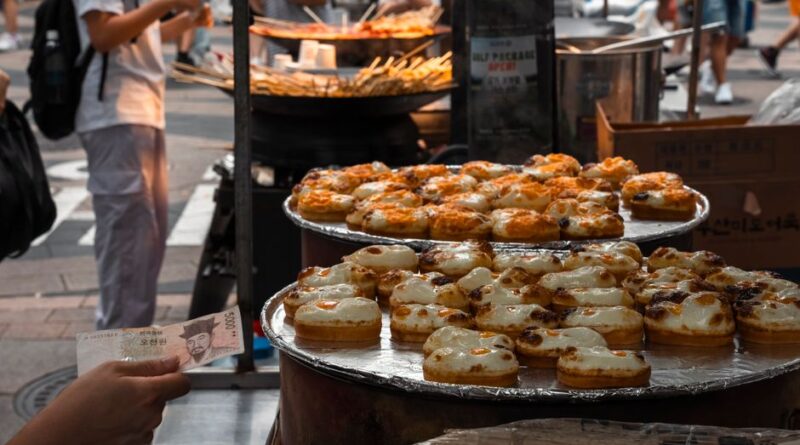
South Korea Exchange Bolsters Market Stability Measures
\n\n
SEOUL – South Korean financial authorities recently convened an urgent meeting to scrutinize market conditions, taking proactive steps to preempt potential disruptions amidst heightened global economic uncertainties. The comprehensive review aimed at fortifying market stability and investor confidence, signaling a vigilant stance against emerging risks. Officials deliberated on various regulatory mechanisms and oversight strategies to maintain orderly trading practices across the nation’s exchanges.
Key Takeaways
- South Korean regulators are taking proactive steps to address increasing financial market volatility driven by global economic pressures.
- The initiative aims to safeguard investor confidence and prevent systemic risks from escalating within the national economy.
- Authorities are reinforcing oversight and regulatory frameworks to maintain an orderly and resilient financial environment.
The emergency session underscores Seoul’s commitment to preemptively managing financial turbulence. This rapid response reflects lessons learned from past market shocks and a determination to protect individual and institutional investors alike.
The meeting comes at a time of significant global economic uncertainty. Rising inflation, aggressive interest rate hikes by major central banks, and lingering geopolitical tensions have created a volatile landscape for capital markets worldwide.
These factors inevitably ripple through highly integrated economies like South Korea’s, which is heavily reliant on international trade and capital flows. The nation’s export-driven economy is particularly susceptible to shifts in global demand and supply chain disruptions.
Domestically, South Korea has also navigated its own set of challenges, including managing household debt and monitoring real estate market dynamics. Potential capital outflows and currency depreciation pressures on the Korean Won add layers of complexity for financial overseers.
Ensuring the stability of its financial infrastructure is paramount to cushioning these external and internal pressures. The government consistently emphasizes robust economic management to mitigate risks and sustain growth, as highlighted on official government portals like Korea.net’s Economy section.
While specific attendees were not always publicly detailed, such high-level gatherings typically involve senior officials from key financial regulatory bodies. This includes representatives from the Korea Exchange (KRX), which operates the nation’s stock and derivatives markets.
The Financial Services Commission (FSC) and the Financial Supervisory Service (FSS), responsible for policy-making and supervision, also play crucial roles. Their coordinated efforts are vital in identifying systemic risks and implementing preventative measures.
The Bank of Korea, as the central bank, closely monitors liquidity and financial stability, often collaborating with these agencies during crises. This multi-agency approach ensures a comprehensive view of the financial landscape.
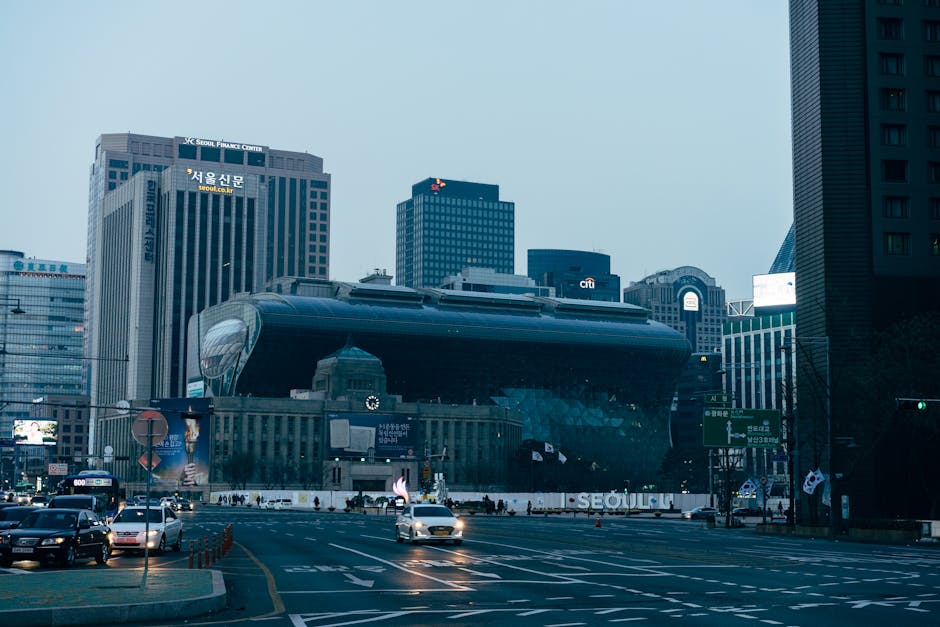
Discussions during the emergency meeting likely centered on enhanced market surveillance techniques and the effectiveness of existing circuit breakers. Officials would have reviewed granular data on trading volumes, foreign investor flows, and specific sector performance.
The goal was to pinpoint any abnormal trading patterns or potential sources of illiquidity that could cascade through the system. This proactive monitoring allows for early detection of vulnerabilities before they escalate into full-blown crises.
Possible policy outcomes could include temporary restrictions on certain trading activities, such as short selling, or adjustments to margin requirements for various assets. Regulators might also emphasize stricter compliance with market disclosure rules to ensure complete transparency.
These tools are designed to calm markets and prevent excessive speculation during periods of stress, providing a necessary buffer. They act as circuit breakers, temporarily halting trading to allow investors to reconsider positions and reduce panic selling.
South Korea’s financial system has undergone significant transformation since the 1997 Asian Financial Crisis. That period of severe economic turmoil led to sweeping reforms aimed at strengthening financial institutions, improving politics/” title=”Corporate Governance” class=”ek-internal-link” style=”color:#0056b3; font-weight:bold; text-decoration:underline;”>corporate governance, and establishing more independent regulatory oversight.
The memory of that crisis continues to shape the nation’s cautious and proactive approach to financial management. This historical experience instilled a deep-seated commitment to building robust defenses against future economic shocks.
More recently, the 2008 Global Financial Crisis and the initial shocks of the COVID-19 pandemic also tested South Korea’s financial resilience. In both instances, authorities swiftly implemented stimulus packages and liquidity measures to avert deeper economic contractions.
These experiences have further solidified a culture of rapid response and inter-agency coordination in Seoul’s financial landscape. The ability to quickly mobilize resources and align policy has become a hallmark of South Korean economic governance.
Maintaining investor confidence, both domestic and international, is a critical objective of these emergency reviews. A stable and predictable market environment encourages capital formation, fosters long-term investment, and supports corporate growth.
Conversely, prolonged instability can deter foreign direct investment and lead to capital flight, undermining economic prosperity. Regulators understand that confidence is a fragile but indispensable asset in financial markets.
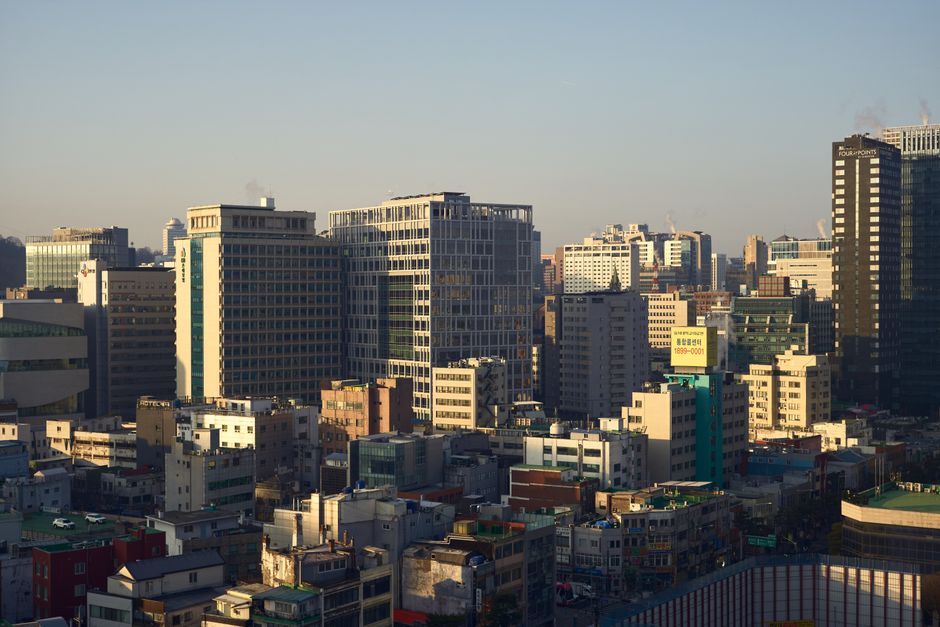
As the world’s 13th largest economy and a major global exporter of semiconductors, automobiles, and petrochemicals, South Korea’s economic health has broader implications. Its financial stability is integral to global supply chains and technological advancements.
Disruptions in its financial markets can create ripple effects across international trade networks and industrial sectors. For a more comprehensive overview of its global standing, readers can refer to the Economy of South Korea on Wikipedia.
The increasing digitalization of financial services also presents new challenges for market oversight. Regulators must adapt to rapid technological advancements, including the rise of fintech, algorithmic trading, and digital assets.
Ensuring cybersecurity and data integrity are now integral components of market stability strategies. The ability to monitor and regulate digital transactions effectively is crucial for preventing new forms of market manipulation and fraud.
Beyond direct interventions, transparent communication with market participants is crucial. Regular updates and clear policy signals help to manage expectations and reduce panic during volatile periods, fostering a more informed and resilient investment community.
The outcomes of such emergency meetings are often integrated into broader macroeconomic policy discussions. They inform decisions by the Ministry of Economy and Finance and other government bodies regarding fiscal stimulus or budgetary adjustments.
This holistic approach ensures that financial stability is viewed as a cornerstone of overall national prosperity. It reflects a governmental philosophy that recognizes the interconnectedness of financial health with broader societal well-being.
Ultimately, the emergency market review meeting reflects South Korea’s ongoing commitment to a dynamic yet secure financial ecosystem. It underscores a philosophy of proactive vigilance rather than reactive crisis management.
The nation’s regulators remain poised to adapt to an ever-evolving global financial landscape, prioritizing resilience and strategic foresight above all else. This steadfast commitment aims to secure South Korea’s economic future against unforeseen challenges.
To report grammatical errors, typos, or request factual corrections, please contact us at CHY011996@GMAIL.COM.
Original source: 거래소, 긴급 시장점검회의 개최 – 한국경제
